Imagine you have a loyal audience on Telegram, a messaging platform known for its privacy and speed. You post valuable insights, tutorials, or exclusive updates daily. But here is the problem: most people just read your posts without paying you anything. You want to earn revenue, but putting up a hard barrier that blocks everyone feels too aggressive. It scares away casual readers who might eventually become paying fans.
This is where dynamic paywalls come into play. Unlike static walls that block all access until payment, dynamic paywalls adapt to each user’s behavior. They show different messages, offer varied access levels, and guide users toward conversion based on their engagement history. In 2026, this approach has become the gold standard for creators looking to balance free community growth with sustainable income from premium tiers.
Why Static Paywalls Fail on Messaging Platforms
Traditional paywalls work well on websites where users expect to click through multiple articles before hitting a limit. On messaging apps like Telegram, however, the experience is more personal and immediate. If you lock every message behind a pay button, new users bounce off instantly. They don’t get a chance to taste your value before being asked to open their wallets.
A static model treats every visitor the same way. Whether someone has been following you for six months or just joined today, they see the exact same wall. This one-size-fits-all approach ignores crucial context. Dynamic paywalls fix this by recognizing user profiles. For instance, a long-time follower who engages frequently might see a gentle nudge to upgrade, while a brand-new subscriber gets full access to introductory content to build trust first.
The key difference lies in personalization. Dynamic systems use data points-like how often a user opens your channel, which posts they react to, or if they’ve previously unlocked specific media-to tailor the conversion journey. This strategy increases Average Revenue Per User (ARPU) because it meets people where they are in their relationship with your content.
How Telegram Paywalls Actually Work
You might wonder if Telegram itself supports these features natively. As of May 2026, the answer is no. Telegram does not offer built-in channel-level paywall infrastructure. Instead, the ecosystem relies on third-party bots and tools that integrate with Telegram’s API to manage access control.
Here is the typical workflow creators use:
- Create a Private Channel: You set up a private Telegram group or channel where all premium content lives. Only invited members can join.
- Add a Management Bot: Tools like Paprika.bot or MemberPaywallBot are added as administrators. These bots handle payments, link generation, and member removal.
- Generate Public Links: The tool creates a public landing page or invite link where potential subscribers view your offer.
- Process Payments: Users pay via automated processors like Stripe or manually by sending proof of transaction.
- Grant Access: Once payment is confirmed, the bot generates a single-use invite link that adds the user to the private channel.
This process takes less than five minutes to set up. The beauty of using bots is automation. When a subscription expires, the system automatically removes the user or sends a renewal reminder. You don’t need to manually track who paid what.
Implementing Dynamic Strategies Without Native Support
Since Telegram lacks native dynamic capabilities, you must simulate them through smart configuration and tiered offerings. Here is how you create a dynamic feel using available tools.
First, consider the "anonymous-to-known" strategy. Before asking for money, ask for registration. Use a bot to require users to click a button or join a free public channel before accessing even basic content. This captures their Telegram ID, giving you a unique identifier to track their behavior over time.
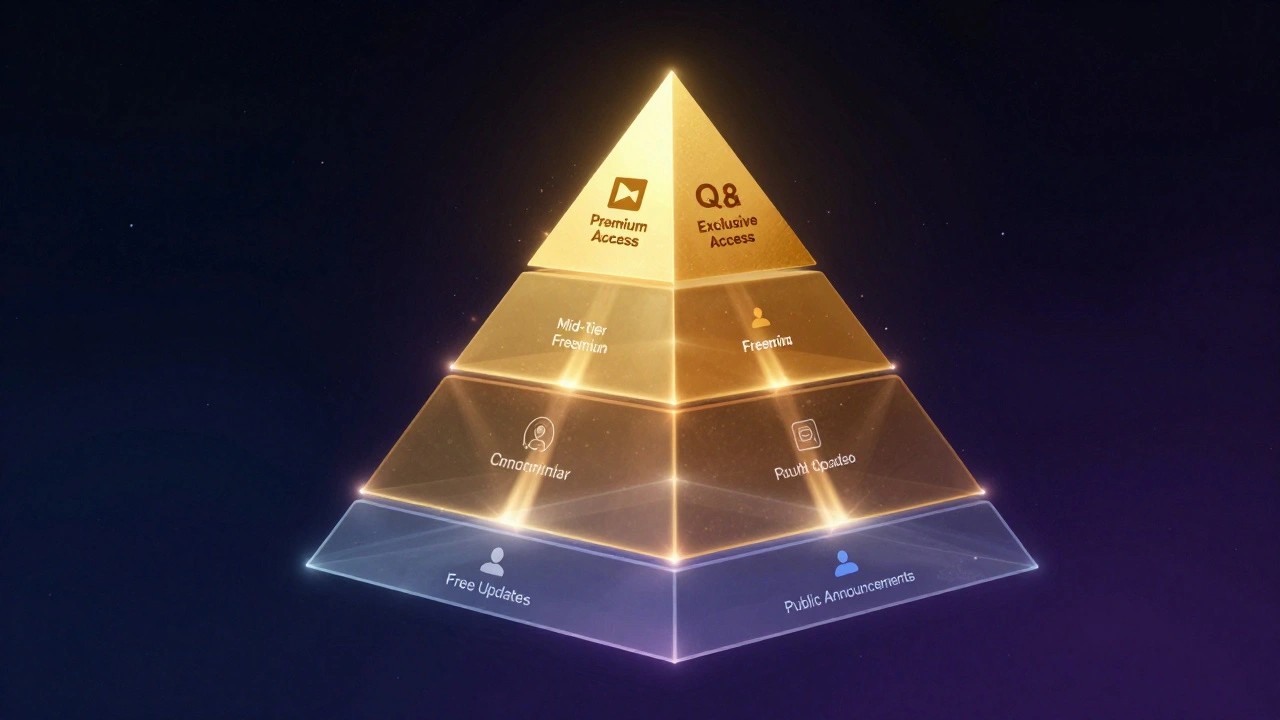
Second, structure your content tiers carefully. Don’t just have "free" and "paid." Create intermediate steps. For example:
- Free Tier: General updates, public announcements, and low-effort posts.
- Mid-Tier (Freemium): Weekly deep-dive articles or curated resources. Accessible via a small one-time fee or ad-supported model.
- Premium Tier: Exclusive video tutorials, direct Q&A sessions, and early access to products. Requires recurring monthly subscriptions.
By varying the access requirements, you mimic dynamic behavior. A user who engages heavily with free content might be targeted with a special discount for the Mid-Tier, while a lurker receives no prompt at all. This segmentation prevents churn and maximizes conversions.

Payment Methods and Automation
Choosing the right payment processor is critical for user experience. Two main options dominate the Telegram paywall landscape: manual proof and automated checkout.
Manual Proof Payment allows users to pay via bank transfer, PayPal, or cryptocurrency. They then send a screenshot to the bot for approval. This method works well for creators in regions where Stripe isn’t available or for those dealing with high-ticket items. However, it introduces friction. Users wait for human verification, which can lead to abandoned transactions.
Automated Stripe Processing offers instant gratification. Users click a button, complete checkout, and gain immediate access. This reduces friction significantly and handles recurring billing automatically. If you aim for scalability, automated processing is superior. It also provides cleaner analytics, making it easier to adjust your dynamic strategies based on real-time data.
Another emerging option is Telegram Stars. Introduced as a micropayment currency, Stars allow users to unlock individual posts or files within a channel. While not a traditional subscription model, it enables a freemium approach where users pay per piece of high-value content. This hybrid model can complement recurring subscriptions, offering flexibility for both creators and consumers.
Best Practices for Managing Content Tiers
Success with dynamic paywalls depends on how well you manage the boundary between free and premium content. If your free content is too good, nobody upgrades. If your premium content feels incomplete, subscribers cancel.
Start by auditing your existing library. Identify which topics drive the most engagement. These are your candidates for premium locking. For instance, if you run a coding tutorial channel, keep basic syntax guides free but lock advanced project builds behind the paywall. This ensures beginners still find value in your free offerings while experts see a clear reason to pay.
Monitor your metrics closely. Track conversion rates at each stage of the funnel. Are users dropping off after seeing the price? Is there a high churn rate after the first month? Use this data to refine your messaging. A/B test different paywall copy. Try phrases like "Join the Inner Circle" versus "Get Full Access." Small changes in tone can significantly impact conversion.
Also, maintain transparency. Clearly state what subscribers get. List benefits such as ad-free experiences, priority support, or exclusive community access. Ambiguity breeds distrust, and distrust kills conversions.
Tools Comparison: Choosing Your Partner
| Feature | Paprika.bot | MemberPaywallBot | Hidewallbot (Alternative) |
|---|---|---|---|
| Setup Time | Under 5 minutes | Quick setup via @MemberPaywallBot | N/A (Used for bypassing) |
| Payment Options | Stripe (Auto), Manual Proof | Flexible tiers, various methods | N/A |
| Subscription Models | Recurring (30/90 days), Lifetime | Multiple independent projects | N/A |
| Technical Skill Required | Low (No API tokens needed) | Low to Medium | High (Developer tool) |
| Primary Use Case | Rapid deployment for creators | Granular control over tiers | Removing paywalls (Ethical concern) |
Note that tools like Hidewallbot exist to remove paywalls, highlighting the ongoing tension between protection and access. Always choose reputable platforms that prioritize security and compliance with Telegram’s terms of service.
Pitfalls to Avoid
Even with the best tools, mistakes happen. One common error is relying solely on Telegram’s privacy settings. Remember, Telegram emphasizes encryption and anonymity. This limits the amount of data you can collect compared to web-based platforms. You won’t get detailed email addresses or browsing histories. Adapt your expectations accordingly. Focus on engagement signals rather than demographic data.
Another pitfall is neglecting renewal reminders. Automated bots help, but adding personal touches goes a long way. Send a friendly message before a subscription expires, offering a quick recap of what they’ll miss. This human element boosts retention rates.
Finally, beware of platform dependency. Since these solutions rely on third-party bots, changes in Telegram’s API or policy could disrupt your operations. Diversify your presence. Don’t put all your eggs in the Telegram basket. Cross-promote on other platforms to mitigate risk.
Future Trends in Telegram Monetization
As we move further into 2026, the ecosystem continues to mature. We’re seeing more sophisticated analytics integrated into paywall bots. Creators can now track not just payments, but user interaction patterns within locked content. This data fuels better dynamic targeting.
We may also see deeper integration with Telegram Stars. As micropayments become more normalized, hybrid models combining subscriptions with per-content purchases will likely grow. This gives users more control over their spending, appealing to those hesitant about recurring commitments.
Ultimately, the goal remains the same: building a sustainable business around your expertise. Dynamic paywalls provide the flexibility to do so without sacrificing community growth. By treating your audience as individuals rather than a monolith, you create a healthier, more profitable relationship.
Does Telegram have native paywall features?
No, as of May 2026, Telegram does not offer built-in paywall functionality for channels or groups. Creators must use third-party bots like Paprika.bot or MemberPaywallBot to manage subscriptions and access control.
What is the difference between static and dynamic paywalls?
Static paywalls present the same barrier to all users regardless of their history. Dynamic paywalls adapt based on user behavior, profile data, and engagement levels, offering personalized conversion journeys that typically result in higher revenue.
How do I accept payments on Telegram?
You can use automated processors like Stripe for instant access and recurring billing, or manual proof methods where users send receipts via bank transfer or crypto. Some creators also utilize Telegram Stars for micropayments on individual posts.
Is it safe to use third-party paywall bots?
Reputable bots like Paprika and MemberPaywall are generally safe, but always review their privacy policies. Since they act as administrators, they have access to your channel data. Choose established providers with transparent security practices.
Can I offer lifetime access alongside subscriptions?
Yes, most paywall tools support multiple tiers, including recurring subscriptions (e.g., 30 or 90 days) and one-time lifetime access. Offering both caters to different user preferences and can maximize total revenue.