Imagine spending weeks crafting a breaking news story, only to realize you’ve ignored 80% of your potential audience. That’s the reality for news outlets that stick strictly to English or a single dominant language. In emerging markets, where linguistic diversity is the norm and not the exception, this isn’t just a missed opportunity-it’s a strategic failure. Multilingual Telegram news is a distribution strategy that adapts journalistic content into multiple languages specifically for the Telegram messaging platform, allowing publishers to reach diverse, non-English speaking audiences with precision. By 2026, Telegram has evolved from a simple messenger into a primary news source for millions in regions like Latin America, Southeast Asia, and Africa. If you’re designing news channels for these audiences, generic translation won’t cut it. You need a localized, culturally aware approach.
Why Language Selection Matters More Than Volume
You might think adding every possible language is the best way to grow. It’s not. In fact, it’s a resource drain that leads to low-quality output. The key is strategic selection based on where your audience actually lives and how they consume information. Don’t guess. Look at your data. Which countries are driving traffic? Where do your current subscribers come from?
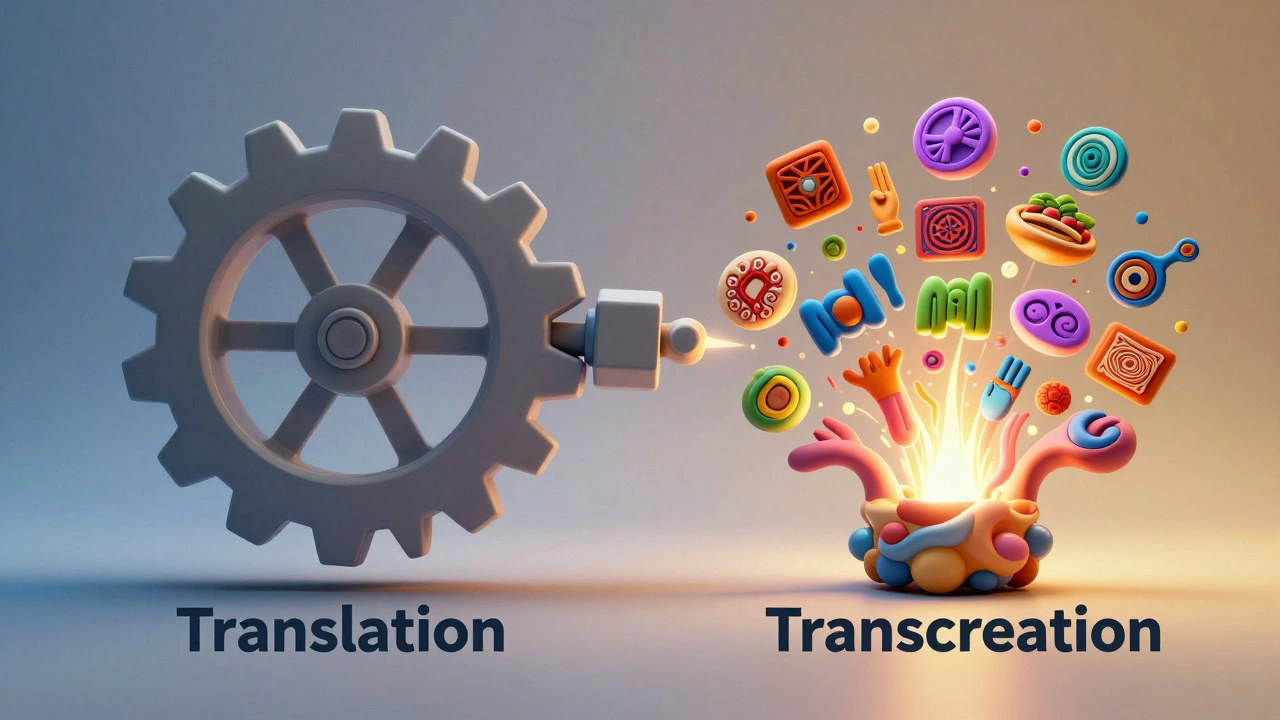
For emerging markets, prioritize languages that align with high-engagement regions. For example, if you see significant interest from Brazil, Portuguese isn’t optional-it’s essential. If your audience spans Nigeria and Ghana, focus on Hausa, Yoruba, or Igbo alongside English. Remember, straight translation works for dry facts-like stock prices or weather updates-but fails for opinion pieces or cultural analysis. Those require transcreation, a process that adapts the emotional and persuasive impact of the story rather than just swapping words.
- Identify top 3-5 languages: Start with the languages spoken by your most engaged users or target growth markets.
- Assess content type: Hard news can be translated; commentary needs transcreation.
- Check platform presence: Verify that your target audience actually uses Telegram as a news source in their region.
Cultural Adaptation Beyond Translation
Translation handles words. Localization handles context. A headline that clicks in New York might confuse or offend readers in Jakarta. Cultural adaptation means adjusting the framing, visuals, and even the timing of your posts to fit local norms. This goes deeper than language. It’s about understanding what matters to specific communities.
Visuals are particularly tricky. An image featuring Western clothing or gestures might seem neutral to you but could carry unintended meanings elsewhere. Always review images through a local lens. Use models, backgrounds, and settings that reflect the audience you’re addressing. If you’re covering a political event in Mexico, ensure your imagery respects local symbolism and avoids stereotypes that alienate readers.
Hashtags and calls-to-action (CTAs) also need localization. Directly translating a hashtag often results in something nobody searches for. Research what tags are trending locally. Similarly, CTAs should match how users interact in that culture. Some audiences respond better to direct commands, while others prefer polite invitations. Test different approaches to see what drives engagement.
| Element | Action Required | Common Pitfall |
|---|---|---|
| Headlines | Adapt tone and urgency to local expectations | Using clickbait styles that feel spammy in conservative markets |
| Images | Review for cultural relevance and sensitivity | Using stock photos that don’t reflect local demographics |
| Hashtags | Research local trending tags | Literally translating English hashtags |
| Posting Times | Align with local peak activity hours | Scheduling posts during local holidays or prayer times |
Technical Accessibility and Platform Optimization
Telegram is unique because it supports rich media, bots, and large groups. To make your multilingual news accessible, you must leverage these features correctly. Technical accessibility isn’t just a nice-to-have; it’s a requirement for inclusive journalism. Screen readers rely on proper language tags to pronounce text correctly. If you post Spanish text without tagging it as such, assistive technologies may read it using English phonetics, creating a frustrating experience for visually impaired users.
Always add alt text in all relevant languages for every image. This ensures that users who cannot see the image still get the full story. While Telegram doesn’t have a built-in "language tag" button for individual posts, you can use formatting tricks or bot integrations to signal language changes. For instance, starting a post with a clear language indicator (e.g., "[ES]", "[FR]") helps both human readers and automated tools categorize content properly.
Structure your channel to support multiple languages efficiently. Consider using separate channels for each major language group rather than mixing them in one feed. This reduces noise and allows users to subscribe only to their preferred language. Alternatively, use pinned messages or menu buttons via Telegram bots to let users filter content by language. This keeps the main feed clean and improves user retention.

Building a Sustainable Content Workflow
Running a multilingual news operation requires more resources than a single-language one. Every story needs translation, cultural review, technical formatting, and quality assurance. Without a structured workflow, you’ll burn out your team or compromise on quality. Start by defining a minimum viable multilingual experience. What’s the core content that must be available in all languages? Is it breaking news alerts? Daily summaries? Focus there first.
Create a central repository of editorial guidelines for translators. Include examples of your brand voice, preferred phrases, and words to avoid. This ensures consistency across all language editions. For instance, if your outlet uses a formal tone in English, decide whether that translates to formal respect in other cultures or if a conversational style works better locally.
Implement a hybrid approach for quality control. Use machine translation for speed, but always have native speakers review the final output. Ask them: "Does this sound like something a real person would say on Telegram in this language?" If the answer is no, rewrite it. Native reviewers catch nuances that AI misses, including slang, idioms, and cultural sensitivities.
- Draft original content: Write the primary version in your base language.
- Translate: Use professional translators or high-quality MT tools.
- Cultural review: Have a native speaker check for tone, relevance, and sensitivity.
- Technical check: Add alt text, verify links, and format for Telegram.
- Publish and monitor: Track engagement and gather feedback.
Measuring Success and Iterating
You can’t improve what you don’t measure. Set up analytics dashboards to track performance by language community. Look beyond vanity metrics like follower count. Focus on engagement rates, shareability, and time spent reading. Which topics resonate most in each language? Are certain formats performing better? Use this data to refine your strategy.
Regularly assess whether your content is meeting the needs of each audience. Survey your subscribers directly. Ask them what they want to see more of. Join local Telegram groups to listen to conversations happening around your topics. This qualitative feedback complements quantitative data and helps you stay connected to your audience’s evolving interests.
Finally, plan for scalability. As you grow, you’ll need to onboard more translators and reviewers. Invest in training programs to maintain quality standards. Develop templates and workflows that new team members can follow easily. This ensures that expansion doesn’t come at the cost of consistency or accuracy.
Should I mix multiple languages in one Telegram channel?
It depends on your audience size and goals. Mixing languages can create a chaotic experience, especially if users don’t understand half the posts. For most news outlets, separate channels per language are cleaner and easier to manage. However, if you have a small, highly bilingual community, a single channel with clear language labels (e.g., [EN], [ES]) can work. Test both approaches and see which retains users better.
How do I handle breaking news in multiple languages quickly?
Speed is critical for breaking news. Use pre-approved templates and machine translation for initial drafts, followed by rapid human review. Prioritize accuracy over perfection in the first few minutes. Update the post as translations improve. Having a dedicated team of native speakers on standby for urgent stories will help you maintain quality without sacrificing speed.
What tools help manage multilingual Telegram channels?
Several tools can streamline your workflow. Use project management software like Trello or Asana to track translation tasks. Leverage Telegram bots for scheduling posts and managing subscriber filters. For translation, consider platforms like DeepL or Google Translate for drafts, but always pair them with human editors. Analytics tools like Statista or native Telegram stats help track performance across languages.
Is it worth investing in transcreation for news?
Yes, especially for opinion pieces, analyses, and culturally sensitive topics. Transcreation preserves the intent and emotional impact of the original story, making it more engaging for local audiences. While it costs more than standard translation, the higher engagement and trust it builds justify the investment. For straightforward factual reporting, basic translation is usually sufficient.
How do I find reliable native speakers for review?
Build a network of freelancers or hire part-time reviewers from your target regions. Platforms like Upwork or Fiverr can help you find candidates, but look for those with journalism or marketing experience. Engage with local communities on social media to identify passionate advocates who might volunteer or work for fair compensation. Consistency is key, so aim to build long-term relationships with your reviewers.
Latest Posts