When a major event hits-earthquake, political collapse, stock crash-you don’t just post it once. You don’t wait for an algorithm to decide who sees it. You send it everywhere, fast, and smart. That’s the new reality for newsrooms: orchestrating email, Telegram, and social media as a single, synchronized system. It’s not about posting the same thing on three platforms. It’s about using each one for what it does best.
Why You Can’t Rely on Just One Platform
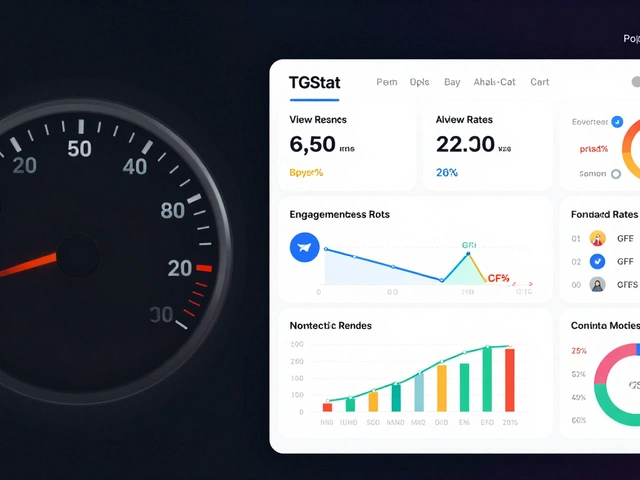
Facebook’s organic reach for news pages has dropped to 5.2%. Twitter (now X) still moves fast, but only 20-30% of your followers see your tweets. Email newsletters? About 21.5% of them land in spam folders, even with good lists. And if you’re only posting to one channel, you’re leaving half your audience behind. Telegram changed that. With over 350 million active users and no algorithm filtering what you see, every message you send goes straight to every subscriber. In 2024, top news channels on Telegram averaged 45-60% view rates per message. That means if you have 10,000 subscribers, you’re getting 4,500-6,000 views-easily double what you’d get on Twitter or Facebook. For breaking news, that’s not just useful. It’s essential.What Each Platform Does Best
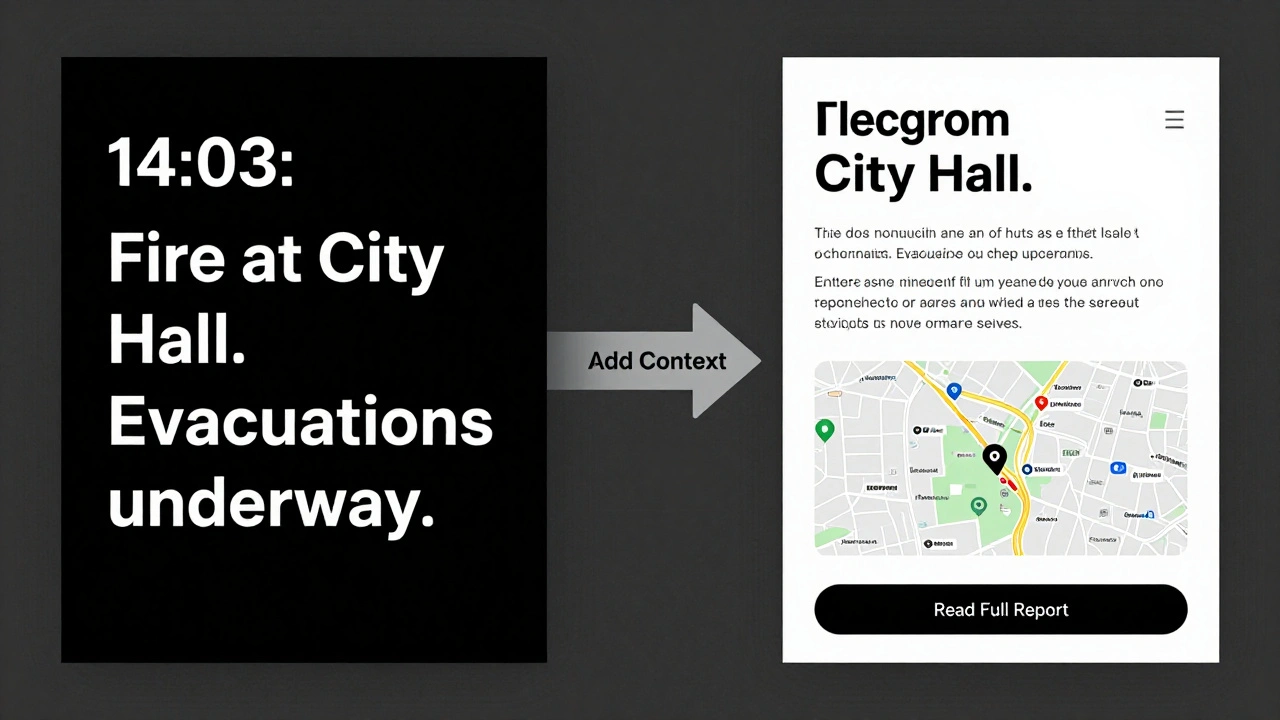
- Telegram: Raw, immediate updates. No filters. No ads. Just text, images, or voice notes as soon as they happen. Think: "Breaking: Fire at City Hall. Evacuations underway. No fatalities reported yet."
- Email: Context, depth, and trust. This is where you summarize what happened, add background, quote officials, and link to full reports. People open these when they’re calm, not panicked. Use this to build loyalty.
- Twitter/X: Conversation and amplification. Tag reporters, link to sources, reply to questions, share user reactions. It’s not for announcements-it’s for engagement.
A newsroom in Spain, El País, runs three separate Telegram channels: one for breaking headlines, one for regional updates, and one for investigative deep dives. Their email newsletter goes out twice a day-morning and evening-with curated summaries. Their Twitter account replies to every question within 15 minutes. That’s not luck. That’s strategy.
How to Connect Them Technically
You don’t need a team of engineers. Tools like Zapier and Make (formerly Integromat) let you connect Telegram to your email system in under 15 minutes. Set up a rule: when a new message hits your Telegram channel, automatically send it as an email digest to your subscribers. You can even add a custom intro: "Here’s what just broke on Telegram. Full details inside." Most email platforms like Mailchimp and ConvertKit now have built-in Telegram integrations. You can also use RSS feeds from your Telegram channel to auto-generate newsletter content. No coding needed.But here’s the catch: don’t just copy-paste. Telegram messages are short and urgent. Email should be longer and calmer. Use the same headline, but rewrite the body. Add context. Link to past stories. Include a quote from an expert. That’s how you turn a spike in traffic into a loyal reader.
What Happens When You Don’t Coordinate
Al Jazeera learned this the hard way during the 2023 Gaza conflict. Their Telegram channel kept crashing under traffic spikes. Messages were delayed by 15-20 minutes. Meanwhile, their Twitter feed stayed live, real-time. They lost credibility because people expected instant updates-and didn’t get them. Another news outlet in Canada posted the same breaking story on Telegram, Twitter, and email-word for word. Their Telegram views were high, but email open rates dropped 40%. Why? Subscribers felt like they were being spammed. They unsubscribed.Users on Reddit’s r/NewsMedia say it plainly: "I follow Telegram for the raw feed. I check email for the story behind it. I use Twitter to talk about it. If you send me the same thing three times, I mute you."
Content Strategy by Platform
- Telegram: 5-7 short updates per hour during breaking news. Use emojis sparingly. No links unless critical. Keep it factual. Use timestamps. Example: "14:03: Emergency services arrive at 5th & Main. Fire still active. No evacuations yet."
- Email: 2-3 digests per day. Include: summary, key quotes, background, related stories, and a call to action ("Read the full report"). Use clean design. No ads. This is your trust-building tool.
- Twitter/X: One tweet per major update, then engage. Reply to comments. Quote-tweet journalists on the ground. Use polls: "How are you hearing about this?" Options: Telegram, Email, Twitter, TV. Track responses.
NewsWhip’s 2024 data shows that outlets using this approach saw a 300% increase in engagement compared to those who just cross-posted. The Guardian tested this during a local election. They sent raw updates to Telegram, a polished summary to email, and live Q&A on Twitter. Their total audience reach jumped from 85,000 to 290,000 in 48 hours.
The Dark Side: Misinformation and Overload
Telegram’s lack of moderation is a double-edged sword. In 2024, DemTech found that 33% of all views on top news channels went to junk news sites-many of them banned from Facebook or Twitter. TR.news and Summit.news, both banned elsewhere, had bigger Telegram audiences than some major outlets.That means if you’re on Telegram, you’re not just competing with other newsrooms. You’re competing with conspiracy theorists, bots, and clickbait. Your credibility is your only advantage.
Here’s how to fight back:
- Always link to primary sources: official statements, court documents, verified footage.
- Label speculation clearly: "Unconfirmed report from anonymous source. We’re verifying."
- Use Telegram’s "suggested posts" feature (launched July 2024) to promote trusted partners-other newsrooms, fact-checkers, government accounts.
Also, watch your posting frequency. A 2024 Trustpilot analysis found 37% of negative reviews on news Telegram channels cited "too many messages." Set limits. During normal days, post once or twice. During crises, stick to 5-7 updates an hour. More than that? You’re noise.

Who’s Doing It Right
The New York Times runs four Telegram channels: Breaking, Politics, Tech, and International. Each has its own editor. They don’t cross-post. They tailor. Their breaking news channel gets 1.2 million views per major story. Their email newsletter has 4.3 million subscribers-and they only send 3-4 per week.Reuters Institute found that 68% of global news organizations now have active Telegram channels-up from 22% in 2020. In Europe, it’s 63%. In North America, it’s 41%. Why the gap? Many U.S. outlets still think Telegram is for extremists. But the data shows: it’s for people who want news without the noise.
Even smaller outlets are winning. A local news site in Asheville, North Carolina, started a Telegram channel for weather emergencies. It has 8,200 subscribers. During a recent ice storm, they sent 6 updates over 4 hours. Their email list grew by 1,200 names that week. Their website traffic tripled. All because they didn’t just post-they coordinated.
The Future: Platform-Native Content
By 2026, Gartner predicts 65% of newsrooms will create content specifically for each platform-not just repost. That means:- Telegram: Voice notes from reporters on scene.
- Email: Interactive timelines, embedded maps, downloadable PDFs.
- Twitter: Threaded breakdowns with pull quotes and citizen photos.
Telegram’s January 2025 update added "quick forward to recent contacts"-a feature designed for journalists to share breaking updates with trusted sources in seconds. And their October 2024 "public post search" lets users find news without needing to follow a channel. Discoverability is finally improving.
But here’s the truth: Telegram isn’t replacing email or Twitter. It’s completing the ecosystem. Email builds trust. Twitter builds conversation. Telegram builds speed. Together, they form a system that no single platform can match.
Start Small. Scale Fast.
You don’t need to launch three channels tomorrow. Start with one:- Create a Telegram channel. Name it clearly: "[Your Outlet] Breaking News".
- Connect it to your email list using Zapier (free plan works).
- During your next breaking story, send the raw update to Telegram. Send a summary to email. Post a question on Twitter.
- Track views, opens, and replies. See where your audience is most active.
- Adjust. Add another channel. Refine your tone.
By the end of the month, you’ll know which platform your readers trust most. By the end of the quarter, you’ll be ahead of 80% of your competitors.
The old way-waiting for the press release, then posting to one channel-is dead. The new way? You’re the conductor. Email, Telegram, social media-they’re your instruments. Play them together, and your audience won’t just hear the news. They’ll feel it.
Can I just use Telegram instead of email and social media?
No. Telegram is powerful for speed, but it lacks context, searchability, and long-term trust. Email builds relationships over time. Social media drives conversation and discovery. Using only Telegram means you’re missing half the audience-people who prefer curated summaries or want to discuss news with others. The strongest newsrooms use all three.
How often should I post on Telegram during breaking news?
Stick to 5-7 updates per hour. More than that overwhelms subscribers. Less than that leaves them guessing. Each message should add new info: location, confirmed details, official statements. Avoid repetition. If you’re just rephrasing the same sentence, wait. Wait for something new.
Why is my email open rate dropping when I use Telegram?
If you’re sending the exact same message to both, your subscribers feel spammed. They see the same headline in Telegram, then get it again in their inbox. Solution: use Telegram for raw updates. Use email for context, background, and analysis. Add a line like: "You saw this on Telegram. Here’s what it means." That turns redundancy into value.
Is Telegram safe for breaking news? What about misinformation?
Telegram has no built-in fact-checking, and 33% of top views go to junk news. But that’s why your credibility matters. Always cite sources. Label unconfirmed info. Link to official sites. Use Telegram’s "suggested posts" to promote trusted outlets. Your audience will choose you over chaos-if you’re clear, consistent, and honest.
Do I need to pay for Telegram integration tools?
No. Zapier’s free plan lets you connect Telegram to Mailchimp or ConvertKit. You can also use RSS feeds from your Telegram channel to auto-generate newsletter content. The real cost isn’t money-it’s time. Spend 3-5 hours training your team on platform-specific content styles. That’s your biggest investment.
What’s the biggest mistake newsrooms make with Telegram?
Treating it like Twitter or Facebook. Telegram users expect raw, unfiltered updates-not polished marketing. Don’t add emojis, hashtags, or calls to "like and share." Don’t post memes. Don’t try to be viral. Be accurate. Be fast. Be clear. That’s what they signed up for.
If you’re not coordinating these three platforms, you’re not just falling behind-you’re letting others control how your audience hears the news. The tools are free. The strategy is simple. The only thing left? Start now.
Latest Posts