When the bus doesn’t show up in Yerevan, no official app tells you why. But a resident in the Kond district does. They snap a photo of the broken sign, type a quick voice note in Armenian, and post it to a Telegram channel with 3,200 followers-mostly neighbors who wait for this same bus every morning. Within minutes, others reply with updates: "It’s stuck near the pharmacy," "Driver called in sick," "Detour via Zvartnots Street." This isn’t journalism from a newsroom. It’s hyperlocal reporting-real, raw, and right where it matters.
Telegram has become the invisible backbone of information in places where traditional media has failed. In post-Soviet cities like Tashkent, Yerevan, and Baku, and even in conflict zones like Mariupol, residents aren’t waiting for press releases. They’re building their own news networks. These aren’t flashy TikTok trends or viral Instagram reels. They’re quiet, practical, and vital: a pinned message listing which street vendors are open after 10 p.m., a photo of a flooded sidewalk near Zafar metro station, a voice note explaining why the water was cut off in the 5th block this week.
How Telegram Channels Work in Underserved Areas
Unlike mainstream platforms that push content based on algorithms, Telegram channels operate like neighborhood bulletin boards-except they’re digital, instant, and global. Each channel focuses on one tiny slice of daily life. There’s no need for broad headlines like "City Updates." Instead, you’ll find channels titled "Yerevan Metro Line 1 Delays," "Tashkent Late-Night Pharmacies," or "Shengavit Fruit Market Schedule."
Their power comes from specificity. A single post might include:
- A timestamped photo of a pothole near the bus stop
- A voice note in Uzbek explaining why the trash pickup changed days
- A pinned message with GPS coordinates of the only working public restroom in the district
- A comment thread where five people confirm the same bus route was rerouted after a bridge repair
Dr. Arakelyan’s research in Yerevan found that these community-run channels improved public transport accuracy by 68 percent compared to official apps. Why? Because official systems update once a week. Residents update in real time-sometimes within minutes of a breakdown.
Tools That Make It Work
Telegram doesn’t need fancy apps or paid subscriptions. Its built-in tools are simple but powerful:
- Pinned messages keep critical info at the top-like emergency contacts or route changes.
- Saved message folders let users organize channels by neighborhood: "Tashkent Transport," "Yerevan Power Outages," "Baku Water Alerts."
- Translate feature lets you long-press any message and instantly translate it from Cyrillic to English or vice versa.
- Offline access lets you download media (photos, voice notes) while connected to Wi-Fi, so you can still view them later without data.
- Secretgram lets users post anonymously, which is crucial for reporting corruption or unsafe conditions without fear of retaliation.
For non-native speakers, Google Translate’s camera mode is a game-changer. Point your phone at a Cyrillic street sign or a channel post, and it translates instantly. Many users keep a list of common phrases saved in their notes: "Where is the nearest pharmacy?" "Is the bus still running?" "Is this safe after dark?"
Why It Beats Instagram and Google Maps
Google Maps tells you where the nearest ATM is. It doesn’t tell you if the ATM is broken, if the street is flooded, or if the police are blocking access because of a protest. Instagram shows you pretty photos of old buildings-but not if the staircase is crumbling.
Telegram fills the gap. A user in Tashkent posted a photo of two bus numbers-32 and 32A-that looked identical on maps but served completely different routes. Official sources didn’t clarify. A Telegram channel did. Within hours, 200 people updated their commute plans.
Instagram’s algorithm hides mundane posts. Google Maps doesn’t update faster than city bureaucracies. Telegram? It’s unfiltered. No ads. No trending topics. Just people sharing what they see, right now.

How Journalists Use It
The Wall Street Journal’s investigation into missing persons in Mariupol didn’t come from government records. It came from Telegram. Journalists found links to hyperlocal channels embedded in Facebook groups dedicated to the city. These channels had photos of abandoned homes, names of people last seen, and timestamps of shelling-details no mainstream outlet could verify.
Investigative reporter Jane Lytvynenko showed at the International Journalism Festival in April 2025 how Telegram helped trace illegal grain shipments across Ukraine. Users posted messages with exact pickup locations, truck numbers, and names of warehouse workers. That data led to a major corruption probe.
But finding these channels isn’t easy. Telegram’s search function is weak. You can’t just type "Mariupol news" and get results. Instead, reporters follow the trail: check a channel’s description for links to other channels, look at who they follow, scan comments for mentions of nearby neighborhoods. Often, the most reliable channels are the ones that link to others.
Spotting Real Channels vs. Disinformation
Not everything on Telegram is real. Since 2022, Russian state-backed networks have created hundreds of fake hyperlocal channels in occupied Ukrainian towns. They use names like "Berdyansk Tomorrow" or "Kherson Daily News"-mimicking real community updates.
Detector Media found that many of these channels grew their subscriber counts using bots, not people. Some even showed subscriber spikes during internet blackouts-impossible if real users were posting.
How to tell the difference?
- Check the last 10 posts. If they’re older than 72 hours, it’s likely dead or fake.
- Look for original content. Real channels post photos, voice notes, and local details. Fake ones repost state TV clips or generic news.
- Check the "linked channels" section. Real community channels promote other local ones. Fake ones link to national propaganda outlets.
- Look for language consistency. Real posts mix Russian, Ukrainian, or local dialects naturally. Fake ones use stiff, official-sounding language.
One red flag: a channel with 50,000 subscribers but only 20 comments per post. Real community channels have high engagement-even if they’re small.
How to Contribute Ethically
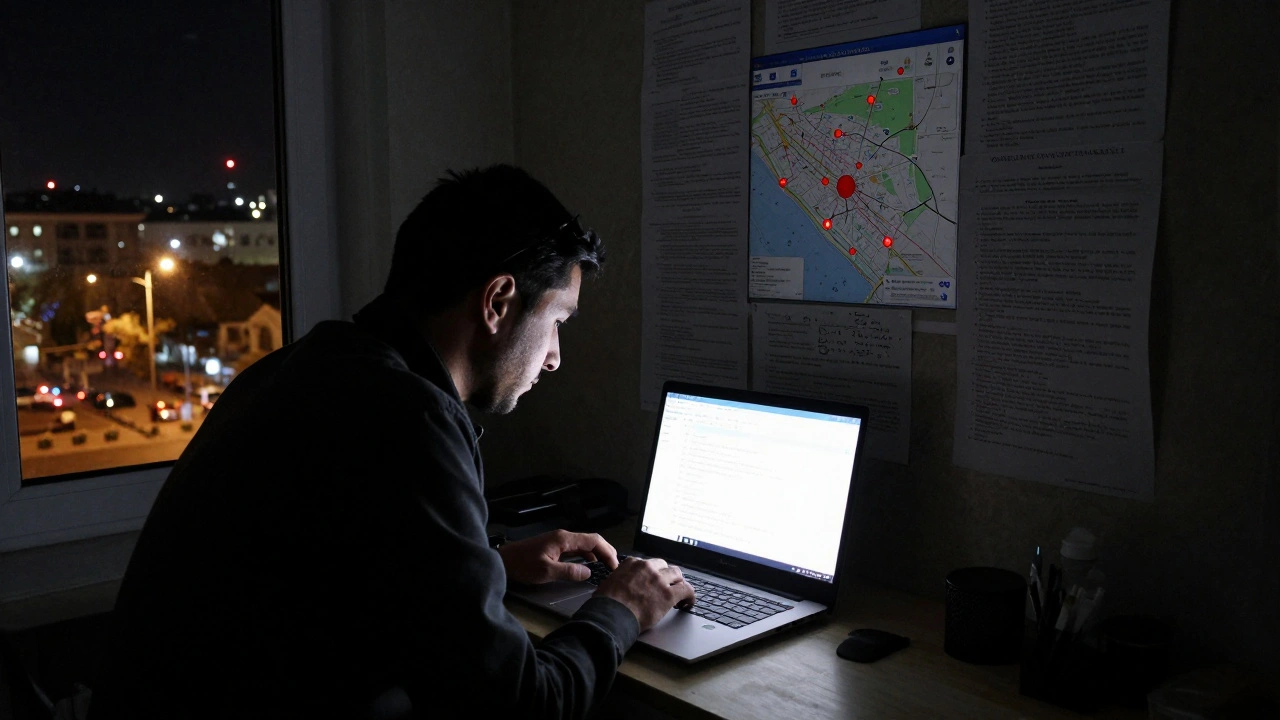
If you’re a journalist, traveler, or even a local resident wanting to help, don’t just post. Engage wisely.
- Don’t comment publicly with corrections. Message the admin privately. Say: "Hi, I noticed the café on Lenin St. closed last week. Here’s a photo of the shuttered door. Could you update?"
- Always include proof: a photo, GPS location, or timestamped video.
- Don’t assume you know the context. Ask first: "Is this still accurate?"
- Respect language. If the channel is in Armenian, don’t flood it with English. Use translation tools, or ask someone to help.
One photographer from Lisbon, Maria, used Telegram to navigate Yerevan’s Kond district. Her guidebook said nothing about the crumbling staircases or the best time for golden-hour light. A local channel told her exactly that. She didn’t post. She listened. And she got the shots no tourist could have found.
The Hidden Risk: Data Sharing
Telegram claims to protect privacy. But in 2024, it handed over user data to U.S. authorities on thousands of accounts-up sharply from previous years. For journalists covering protests or conflict zones, this is a major concern. A whistleblower in Kyiv, for example, might think their identity is safe. But if Telegram shares data, that safety vanishes.
That means: if you’re reporting on something dangerous, assume nothing is private. Use Secretgram for anonymous comments. Avoid linking personal accounts. Never use your real name or location in channel bios.
What’s Next?
Hyperlocal Telegram reporting isn’t going away. It’s growing. In places where governments don’t deliver reliable services, people are building their own. And it works. It’s faster than official apps. More accurate than news websites. More human than algorithms.
But it’s fragile. Disinformation is spreading. Platforms are changing. Privacy protections are weakening.
The future of hyperlocal reporting lies in community trust-not technology. The best channels aren’t the ones with the most followers. They’re the ones where neighbors know each other’s names, check in after a blackout, and correct each other’s mistakes. That’s the real power of Telegram: it turns strangers into a neighborhood.
Can I use Telegram to report issues in my own neighborhood?
Yes. Start a channel focused on one specific issue-like bus delays, street lighting, or local vendor hours. Post photos, voice notes, and pinned updates. Encourage neighbors to contribute. Keep it simple, consistent, and local. You don’t need to be a journalist. You just need to care enough to share.
How do I find active Telegram channels in a new city?
Don’t search by name. Look for links in local Facebook groups, Reddit threads, or community bulletin boards. Check the "linked channels" section on any promising Telegram channel. Real ones often recommend others nearby. Scan the last 10 posts: if they’re recent, specific, and include photos or voice notes, it’s likely active. Avoid channels with only reposted news or old posts.
Is Telegram safe for journalists in conflict zones?
It’s useful but risky. Telegram has shared user data with U.S. authorities in recent years. Use Secretgram for anonymous reporting. Avoid linking personal accounts. Never use your real name, location, or phone number. Assume everything you post could be traced. Use burner devices if possible, and always verify sources before sharing.
Why don’t governments just fix these problems instead of relying on Telegram?
In many underserved areas, governments lack resources, infrastructure, or political will to respond quickly. Telegram fills the gap because it’s decentralized. Residents update in real time, without waiting for approvals, budgets, or bureaucratic delays. It’s not a replacement for public services-it’s a workaround for when they fail.
Do I need to speak Russian or Armenian to use these channels?
No. Telegram’s built-in translation tool works on any message-just long-press it. For Cyrillic signs or posts, use Google Translate’s camera mode. Many users keep a list of common phrases saved in their phone notes. You don’t need fluency. You just need curiosity and a translation tool.