Most Telegram news channels miss the mark-not because their content is bad, but because they post at the wrong time. If your audience isn’t awake, scrolling, or checking their phone, your breaking news might as well be buried in a digital graveyard. The truth? Telegram news consumption doesn’t follow the same rhythms as Twitter or Facebook. It’s faster, more personal, and far more time-zone-sensitive. To get real visibility, you need to map out exactly when your audience is most active-and then show up there.
When Do People Actually Open Telegram for News?
Telegram users open the app 3 to 5 times a day, on average. But they don’t check it randomly. Their behavior follows three clear windows: morning, lunch, and evening. According to Postmypost’s December 2024 analysis, the highest concentration of active users happens between 7-10 AM, 12-2 PM, and 6-11 PM local time. These aren’t guesses-they’re patterns pulled from over 12 million posts tracked across 8,000 news channels. The morning window (7-10 AM) is when users are most focused. They’re sipping coffee, commuting, or starting their day. This is prime time for short, sharp updates: headlines, quick summaries, infographics, or one-sentence alerts. If you’re posting a 500-word analysis at 8:15 AM, you’re likely losing half your audience before they even finish scrolling. Lunchtime (12-2 PM) is the second surge. People are on breaks, checking their phones between meetings or classes. This is where lighter, digestible content thrives-quick facts, video snippets, or updates that don’t require deep reading. A verified publisher with 120,000 subscribers reported a 32% engagement jump after shifting posts from 3 PM to 1:30 PM EST. Why? Because that 12:30-1:30 window is short but intense. Miss it by 20 minutes, and you’re competing with cat videos and memes. Evening (6-11 PM) is the biggest block. After work, after dinner, when people relax. This is when long-form news, investigative pieces, and opinion content perform best. Users have time to read. They’re more likely to comment, share, or forward. Channels that post breaking news here see 40% higher retention than those posting at 3 PM.Not All News Is Created Equal-Timing Varies by Type
You can’t treat business news the same way you treat entertainment updates. The audience is different. The attention span is different. The time of day they’re ready to consume it? Also different. For B2B news-finance, corporate earnings, regulatory changes, industry reports-the sweet spot is 10 AM to 12 PM. Professionals are settled at their desks, checking updates before meetings. Posting at 7 AM? Too early. At 6 PM? Too late. They’re done for the day. A channel covering European markets found that posting at 9:30 AM CET (which is 3:30 AM EST) yielded 60% more opens than posting at 11 AM EST. Why? Because their core readers were in London and Frankfurt, not New York. For B2C news-politics, scandals, celebrity updates, viral stories-the evening window (6-10 PM) dominates. People aren’t looking for analysis here. They want to know what’s trending. They want to talk about it. This is when shares and replies spike. One entertainment channel saw a 57% increase in comments after moving from 4 PM to 8 PM. The difference? They stopped posting like a newspaper and started acting like a watercooler. Educational content-how-tos, explainers, data breakdowns-performs best between 7 PM and 9 PM. Students and professionals are winding down but still mentally engaged. Weekend mornings (9 AM-12 PM) also show strong traction here, especially in regions with Friday-Saturday weekends. And then there’s breaking news. This is the exception. Urgent updates-natural disasters, political coups, major accidents-can spike engagement at any hour. But here’s the catch: even breaking news loses momentum if it lands during a low-traffic window. A channel that posted a major earthquake alert at 2 AM EST saw only 12% of the initial engagement compared to one that posted the same alert at 8 AM. Why? Because fewer people were online to see it. The content didn’t go viral-it went silent.Time Zones Are Your Biggest Enemy
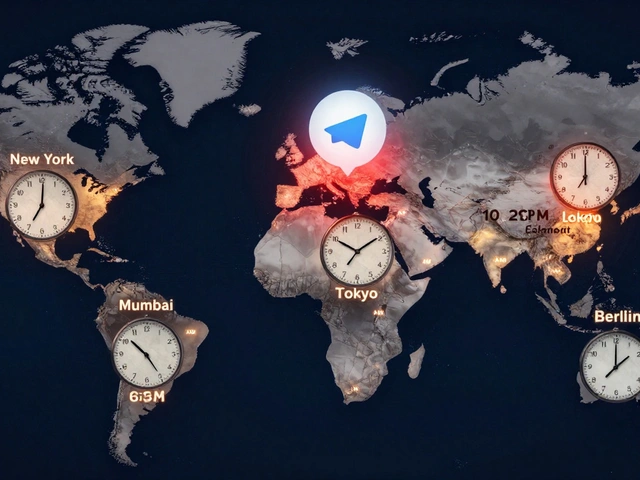
You can have the best content in the world, but if you’re posting at 1 PM in New York and your biggest audience is in Mumbai, you’re wasting your shot. Telegram’s global user base spans 190+ countries. Postiz’s analytics show that 60-70% of users have notifications turned off. That means they only see your post when they open the app-and they open it during their own peak hours. A news channel targeting both the U.S. and Europe learned this the hard way. They posted at 12 PM EST, thinking it was a global lunchtime. But their European audience was just waking up. Their Indian audience was in the middle of dinner. Their Australian audience was asleep. Engagement dropped 38% in two weeks. The fix? Segment your audience by region. Use Telegram’s built-in analytics (updated April 2025) to see where your subscribers are located. Then, schedule posts in batches:- North America: 8-10 AM, 12-2 PM, 6-10 PM EST
- Europe: 7-9 AM, 1-3 PM, 5-9 PM CET
- India: 8-10 AM, 1-3 PM, 7-11 PM IST
- Southeast Asia: 9-11 AM, 1-4 PM, 7-11 PM SGT

Weekends Are Not Dead-But They’re Different
Many publishers assume weekends are dead zones for news. They’re wrong. But the rules change. For business and financial news? Yes, engagement drops. People aren’t checking corporate earnings on Saturday morning. Postmypost’s data shows a 45% drop in B2B opens on weekends. But for general news, entertainment, and educational content? Weekends are gold. Saturday and Sunday mornings (9 AM-12 PM) show strong spikes, especially in regions where Friday is a holiday. One educational channel saw 30% more sign-ups for their weekly newsletter after posting a summary on Sunday morning. Why? Because people had time to read-and plan. The key? Don’t treat weekends like weekdays. Post less, but post smarter. Use this time for roundups, curated lists, or “what you missed” summaries. Don’t try to break news on Sunday. Save it for Monday.How to Find Your Own Peak Hours
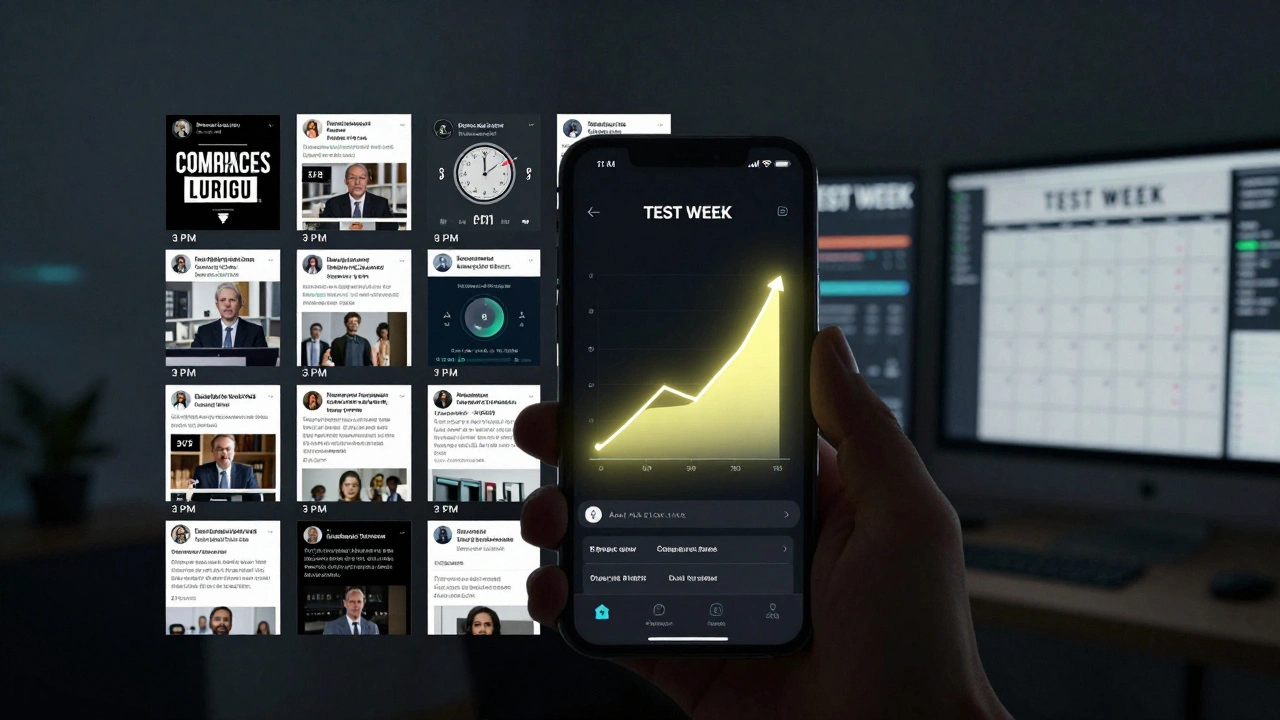
You don’t need to guess. You don’t need to copy someone else’s schedule. You need data. Start with Telegram’s native analytics. Go to your channel → Statistics → Activity. Look at the daily graph. See when your views spike. Don’t just look at total views-look at the rate of views per hour. A post that gets 1,000 views over 10 hours is less effective than one that gets 1,000 views in 2 hours. Then, run a simple 4-week test:- Post the same type of content (e.g., a headline summary) at 8 AM, 1 PM, and 7 PM, Monday through Friday.
- Track opens, shares, and replies for each.
- After four weeks, compare the averages.
What Most News Channels Get Wrong
The biggest mistake? Posting on autopilot. A 2024 study in Communication and Society found that nearly half of media organizations on Telegram publish content without ever checking when their audience is active. They post because it’s “what they’ve always done.” Another mistake? Ignoring the competition. News channels post 10-20 times a day. Your post is one of many. If you post at 3 PM and 15 other channels drop updates at the same time, your message gets lost in the noise. Timing isn’t just about when people are awake-it’s about when they’re ready to pay attention. And finally: don’t assume your audience is like yours. If you’re a 45-year-old journalist who checks Telegram at 7 AM, your audience might be a 22-year-old student who checks it at 11 PM. You’re not your audience. Your data is.What Works Right Now (2025)
Based on the latest data from Postiz, Socialplug, and Blog2Social, here’s what’s working in 2025:- Monday-Friday: Focus on 8-10 AM, 12-2 PM, and 6-10 PM local time for your primary audience.
- Weekends: Use 9 AM-12 PM for summaries, roundups, and educational content. Avoid breaking news.
- Breaking news: Post immediately-but follow up with a deeper version during peak hours.
- Global audiences: Segment by region. Use scheduling tools. Don’t rely on one time zone.
- Content format: Morning = quick, visual, punchy. Evening = detailed, narrative, shareable.
Final Tip: Test, Don’t Trust
What worked last year might not work this month. Audience habits shift. New regions grow. Time zones matter more than ever. The only way to know your peak hours is to measure them. Start with one test. Pick one type of content. Post it at three different times over two weeks. Track the results. Adjust. Repeat. Your audience isn’t guessing when to open the app. You shouldn’t be guessing when to post.What are the best times to post news on Telegram?
The best times are 7-10 AM, 12-2 PM, and 6-11 PM local time for your audience. Morning is ideal for quick updates, lunch for digestible content, and evening for in-depth stories. Exact timing depends on your audience’s region and content type-B2B news performs best 10 AM-12 PM, while B2C thrives 6-10 PM.
Should I post on weekends?
Yes, but differently. Avoid breaking news or business updates. Instead, post summaries, roundups, or educational content on Saturday and Sunday mornings (9 AM-12 PM). Engagement is lower overall, but more focused. Weekend audiences are relaxed and more likely to read longer pieces.
How do I handle multiple time zones?
Segment your audience by region using Telegram’s analytics or tools like Postiz. Schedule separate posts for North America, Europe, India, and Southeast Asia. Don’t rely on one global time. A post that works at 1 PM EST will miss 70% of your audience in Mumbai or Sydney. Geo-targeted scheduling can boost engagement by up to 50%.
Does breaking news need to be timed?
Post breaking news immediately-but follow up with a deeper version during peak hours. The initial alert might get seen, but if it’s posted at 2 AM, most users won’t see the full context. Use the immediate post to alert, then republish a polished version at 8 AM or 7 PM for maximum reach and retention.
What tools help with Telegram scheduling?
Telegram’s built-in scheduler works for basic use. For advanced timing, use Postiz, Blog2Social, or Postmypost. These tools show audience activity heat maps, support multi-time-zone scheduling, and predict optimal posting times based on your past performance. Blog2Social’s AI tool now predicts the best time with 89% accuracy in beta tests.
Latest Posts