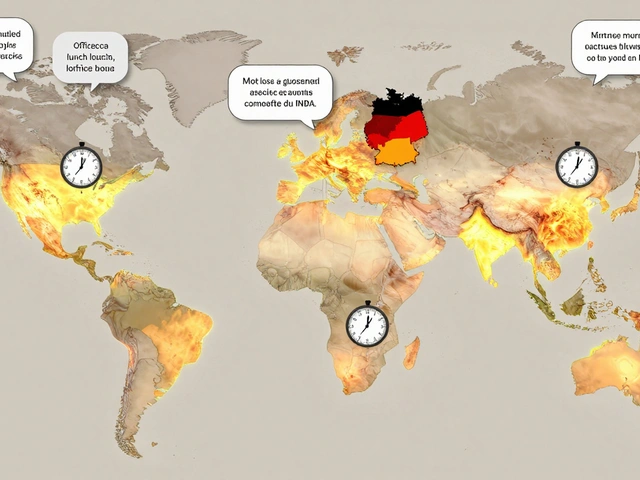
When you subscribe to a news channel on Telegram, you expect truth. Not speculation. Not propaganda. Not a carefully crafted message designed to push you toward fear, anger, or action. But here’s the problem: Telegram doesn’t let you choose who sees your news. And worse, it doesn’t tell you who’s sending it.
Unlike Facebook or YouTube, Telegram has no ads, no algorithm, no demographic filters. You don’t target audiences based on age, location, or interests. You just post-and hope it spreads. That sounds fair, right? But in practice, it’s a blindfolded firehose. Anyone can create a channel. Anyone can join. And anyone can weaponize that openness.
How Telegram News Distribution Actually Works
Telegram channels can have up to 200,000 members. That’s not a group chat. That’s a broadcast tower. You type a headline, hit send, and it lands in the inboxes of every subscriber-no filtering, no delays, no ‘you might like this’ suggestions. That’s why journalists in Belarus, Iran, and Russia use it. When the state shuts down the internet, Telegram stays open.
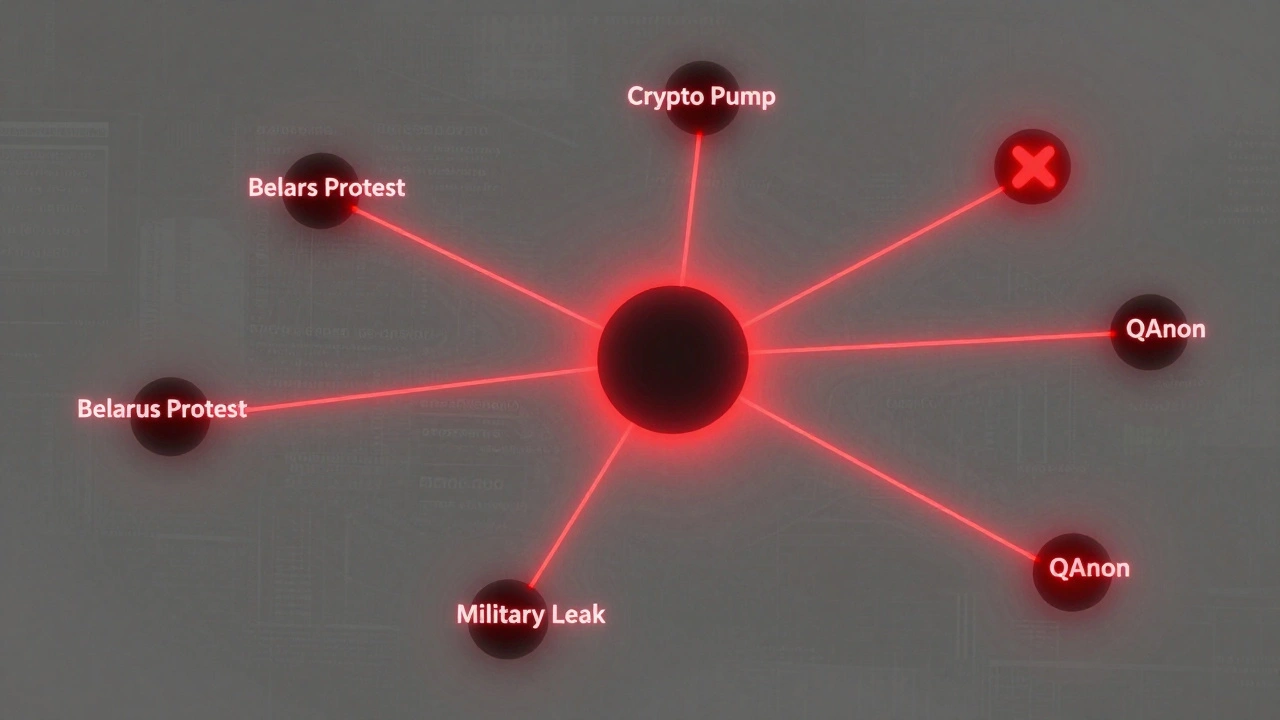
But that same feature makes it perfect for fraud. Crypto pump-and-dump groups use it. Extremist networks use it. Disinformation campaigns use it. A 2025 study from Frontiers Communications found that malicious channels use crisis framing-words like ‘emergency,’ ‘collapse,’ ‘cover-up’-3.2 times more often than legitimate news sources. They don’t just report events. They manufacture panic.
And here’s the twist: Telegram doesn’t encrypt one-on-one chats by default. Most users think it does. It doesn’t. That means if you’re a source whispering secrets to a journalist over Telegram, you’re not safe. Your messages could be intercepted. Your identity could be exposed. And you’d never know.
The Myth of Neutrality
Telegram’s founders claim they’re neutral. They say they don’t moderate. They don’t track. They don’t care who uses the platform. That sounds noble-until you realize that neutrality in this context isn’t freedom. It’s complicity.
On Facebook, if you run a news page, you have to label sponsored content. You have to follow FTC rules. You can’t pretend your paid promotion is unbiased reporting. Telegram has none of that. A channel can be funded by a foreign government, a hedge fund, or a militia-and there’s no disclosure. No transparency. No accountability.
That’s why the Reuters Institute calls it a ‘gray zone.’ A journalist might use Telegram to share verified reports from a war zone. But so can a troll farm in St. Petersburg. The platform doesn’t distinguish between them. And the audience? They can’t either.
Who’s Really Being Targeted?
Telegram doesn’t have targeting tools. But it has something worse: viral targeting.
When a sensational headline spreads through one channel, it gets forwarded to others. Then to friends. Then to family groups. Then to WhatsApp. The message doesn’t need to be targeted-it just needs to be shocking. And that’s exactly what malicious actors count on.
A 2024 RAND Institute analysis showed that Telegram’s structure naturally targets the most emotionally reactive users. People who are angry, afraid, or distrustful of institutions are more likely to share, comment, and repost. So the platform doesn’t need to target them-it lets them find themselves.
That’s why extremist groups like QAnon and Atomwaffen saw a 217% surge in Telegram followers between 2020 and 2022. They didn’t buy ads. They didn’t pay influencers. They just posted lies that made people feel seen. And the platform didn’t stop them.
The Journalist’s Dilemma
Imagine you’re a reporter in a country where the government jails journalists. You need to get the truth out. Telegram is your only option. You set up a channel. You post photos of protests. You name names. You risk everything.
But now you have 10,000 followers. Some are activists. Some are spies. Some are just curious. You don’t know who’s who. You can’t screen them. You can’t block them. And if one of them leaks your location, your source gets arrested.
This isn’t hypothetical. In Belarus, after the 2020 election crackdown, 68 independent news channels emerged on Telegram. By 2021, they had 2.3 million subscribers combined. But dozens of editors were arrested. Sources disappeared. Channels were hacked. And no one knew how the infiltrators got in.
That’s the ethical trap: using Telegram to protect truth might end up endangering it.
Verification Is Your Only Shield
If you’re a news organization using Telegram, your biggest tool isn’t technology. It’s discipline.
Bellingcat’s 2023 handbook says this: verify everything with at least three independent sources before publishing. That’s not a suggestion. It’s a survival rule. On Telegram, one unverified post can spark riots, panic, or arrests.
But here’s the catch: that process takes time. On Twitter, you can post in seconds. On Telegram, if you wait to verify, you might lose the moment. But if you don’t, you become part of the problem.
A 2024 Digital Forensics Weekly report found that journalists who followed strict verification protocols spent 72% more time checking facts than they did on mainstream platforms. That’s not inefficiency. That’s responsibility.
Tools like Gephi help map how stories spread. Telegram Analyzer lets you archive entire channels for later review. The Reuters Institute’s new Ethical Verification Framework, tested in early 2025, cut misinformation spread by 42% in pilot programs. These aren’t luxuries. They’re necessities.

The Legal and Moral Risks
In 2022 and 2023, 47 lawsuits were filed against news outlets using Telegram. Twenty-eight were for defamation. Nineteen were for national security violations. In one case, a Ukrainian journalist shared intercepted military communications on Telegram. The post was real. But it revealed troop movements. The result? A missile strike on a civilian shelter.
Was the journalist negligent? Or was the system broken?
There’s no clear answer. But the legal system doesn’t care about intent. It cares about harm. And Telegram doesn’t help you avoid it.
Meanwhile, the EU’s Digital Services Act has ramped up enforcement. Telegram faced 17 formal actions in 2024-up from just 3 in 2023. That’s not random. It’s a warning. Regulators are watching. And they’re not impressed by claims of ‘free speech.’
Is There a Better Way?
Some newsrooms are trying. The USA TODAY Network now requires all AI-generated content to be reviewed by an internal AI Council before publication. They’ve added a new step: if you’re using Telegram to distribute content, you need an executive sponsor. That’s not bureaucracy. That’s damage control.
Others are walking away. A major international news agency quietly shut down its Telegram channel in late 2024. Their statement: ‘We cannot guarantee the safety of our sources or the accuracy of our distribution channel.’
That’s the hard truth. Telegram is not a platform. It’s a tool. And like any tool, it can build-or destroy.
The real question isn’t whether you should use Telegram. It’s whether you can afford to use it without losing your integrity.
There’s no perfect answer. But there is one rule that holds: if you don’t know who’s receiving your message, you don’t know what you’re responsible for.