The Russian government’s attempt to shut down Telegram isn’t just about controlling messages-it’s about controlling information, trust, and survival. As of March 2026, millions of Russians still use Telegram daily, even as authorities slowly choke its speed, target its users with VPN throttling, and push them toward a state-run alternative called Max. This isn’t a sudden crackdown. It’s the latest step in a years-long campaign to erase independent communication and replace it with something the state can monitor, manipulate, and own.
How Russia Is Throttling Telegram
It started with slowdowns, not shutdowns. On February 10, 2026, users across Russia noticed their media files-photos, videos, documents-taking minutes to load instead of seconds. Text messages? Still worked fine. That was intentional. Roskomnadzor, Russia’s internet censor, didn’t cut off Telegram completely. They throttled it. Media transfers slowed to a crawl. Why? To make the app frustrating enough that people would quit-not because they were forced to, but because they got tired of waiting.
By March 2026, the plan had evolved. Authorities claimed they now had the technical ability to throttle Telegram even when users connected through VPNs. Deputy Chairperson Andrey Svintsov of the State Duma’s Information Policy Committee said it plainly: "The federal censor will gradually start throttling Telegram through VPNs." This wasn’t a threat. It was a timeline. They weren’t trying to hide what they were doing. They were broadcasting it.
And they didn’t stop there. In August 2025, Russia already blocked voice and video calls on Telegram, WhatsApp, FaceTime, and Snapchat. The official reason? Scams and sabotage. But anyone who’s used Telegram in Russia knows: soldiers use it to coordinate. Journalists use it to report. Activists use it to organize. Families use it to stay in touch when phone lines are cut. Blocking calls didn’t stop fraud. It silenced dissent.
The Official Justifications-And Why They Don’t Add Up
Minister Maksut Shadayev told the State Duma on February 18, 2026, that Telegram had ignored over 150,000 requests to remove content-child pornography, drug sales, fraud, even terrorist plots. He said more than 30,000 of those cases involved sabotage and attacks. The government also claimed Telegram refused to hand over encryption keys to track Ukrainian agents and Russian dissidents.
But here’s the problem: Telegram has never had access to those keys. It’s an end-to-end encrypted platform. Even if they wanted to, Telegram can’t read your messages. Not even if they tried. The company says it doesn’t store private chats on its servers. It doesn’t collect location data. It doesn’t track who you talk to. That’s why it became so popular in authoritarian states. It’s one of the few apps where privacy isn’t an illusion.
And yet, Russia fined Telegram 10.8 million rubles (about $140,000) in February 2026 for "failing to remove banned content." Six more court cases are pending. The irony? The same government that claims Telegram is a haven for terrorists also bans independent news sites, locks up journalists, and arrests people for sharing memes. If Telegram is so dangerous, why not just block it outright? Because they’re afraid of what happens next.
Telegram’s Response: A Founder’s Defiance
Pavel Durov, Telegram’s founder, doesn’t live in Russia. He holds French and UAE citizenship and runs the company from Dubai. But he’s been clear: this isn’t about law. It’s about control. "This is an attempt to force citizens to switch to a state-controlled app built for surveillance and political censorship," he said in a public statement.
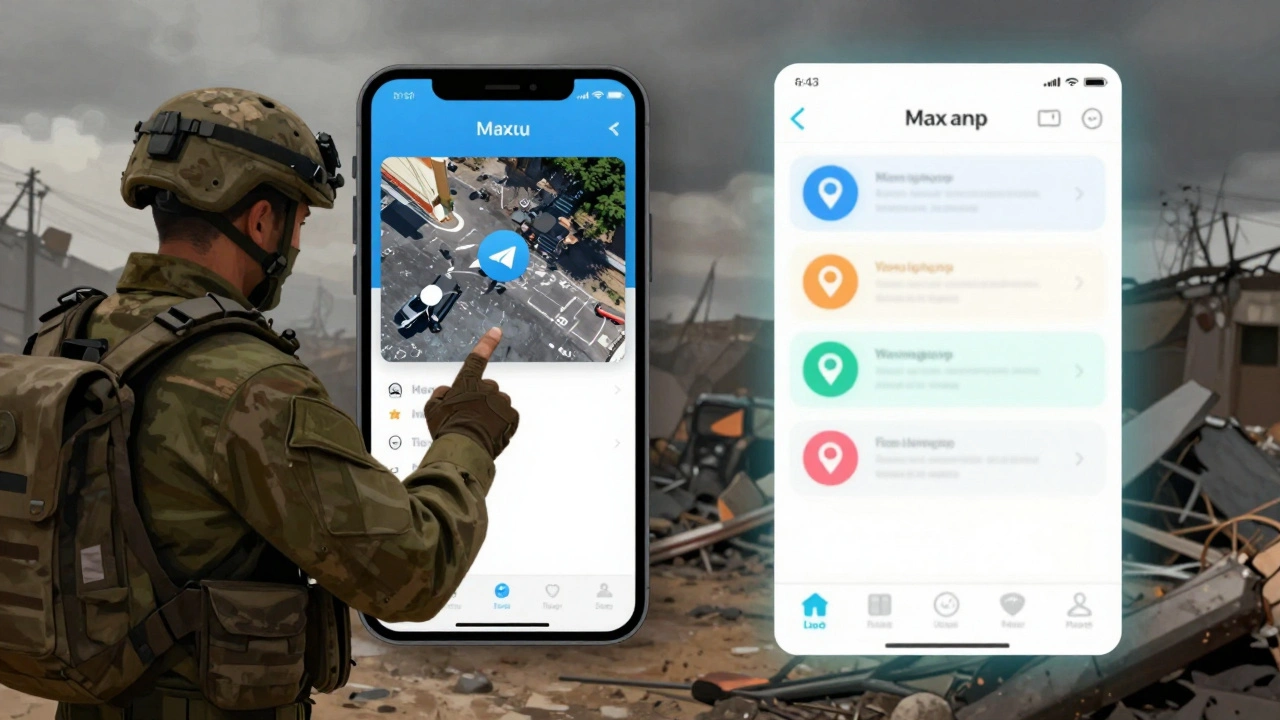
Durov pointed directly at Max, the Russian government’s new messaging app. Max isn’t just another chat tool. It’s designed to log every message, track user locations, and report suspicious activity to authorities. Kremlin insiders admit it was created specifically to replace Telegram. The government is pushing it hard-through state media, workplace mandates, even school systems.
But Max has no user base. It has no trust. It has no reputation. And that’s why the Kremlin is trying to break Telegram instead of competing with it. They know they can’t win on features. So they’re trying to win by force.
Who’s Really Affected? Soldiers, Journalists, and Ordinary Families
When Telegram gets throttled, it’s not just bloggers who suffer. It’s soldiers on the front lines. According to independent reports, Russian military units rely on Telegram to share real-time updates, coordinate logistics, and communicate with families. Some units have already reported delays in receiving orders because media files-maps, photos, satellite images-aren’t loading.
Journalists? They’ve been using Telegram to bypass state media blackouts since 2022. Independent outlets like The Bell and Mediazona publish their reports on Telegram channels. When the app slows down, their audience can’t read them. When the app gets blocked, their voices disappear.
And then there are the families. Grandparents send photos to grandchildren. Students share homework. People in small towns use Telegram to organize local aid, share news about power outages, or warn each other about police raids. When the government targets Telegram, it doesn’t just target activists. It targets everyday life.
International Outcry and the Fight for Digital Rights
Human Rights Watch called the throttling "a deliberate escalation in the Kremlin’s campaign to curtail access to independent information." The Committee to Protect Journalists said it was "yet another attempt to tighten control over the information space." The Institute for the Study of War went further, linking the crackdown to broader efforts to isolate Russia from the global internet ahead of potential conflict with NATO.
But international pressure hasn’t stopped Russia. In fact, it’s made them more aggressive. The same government that ignores UN resolutions on human rights now claims it’s protecting national security. And it’s working-at least for now. Many Russians have no choice but to accept the slowdown. They can’t afford international VPNs. They don’t know how to bypass filters. They’re left with Max-or nothing.
The Broader War: Russia’s Digital Iron Curtain
This isn’t just about one app. It’s part of a larger strategy. Since 2022, Russia has blocked over 2,000 websites. It has shut down independent newsrooms. It has arrested people for liking anti-war posts. It has forced tech companies to store Russian user data inside the country. And now, it’s trying to force people to use a government app.
Telegram is the last major platform that still offers encrypted, decentralized communication at scale. That’s why it’s being targeted. The Kremlin doesn’t want to regulate it. It wants to replace it.
The 2018 and 2020 attempts to block Telegram failed because users found ways around it. This time, they’re not just blocking the app. They’re blocking the alternatives. They’re throttling the workarounds. They’re cutting off the information lifelines. And they’re doing it slowly, so people don’t realize what’s being taken until it’s gone.
What Happens After April 1, 2026?
As of March 17, 2026, the full block of Telegram is still scheduled for April 1. But internal Kremlin sources say there’s disagreement. Some officials warn it could backfire-especially with the Duma elections coming in September. Pro-war bloggers are already questioning the move. Soldiers are frustrated. Families are angry.
There’s a real chance the full block won’t happen. Or it’ll be delayed. Or it’ll be half-hearted. But that doesn’t mean the fight is over. The damage is already done. Trust in state-run platforms is collapsing. Trust in the government is crumbling. And Telegram? It’s still running. Still encrypted. Still free.
For now.
Why is Russia targeting Telegram specifically?
Russia is targeting Telegram because it’s the most widely used encrypted messaging app in the country-with nearly 90 million users as of March 2026. Unlike state-controlled apps, Telegram doesn’t hand over user data, doesn’t censor content based on political views, and can’t be easily monitored. The Kremlin sees this independence as a threat to its control over information, especially with elections and potential unrest on the horizon.
Can Russians still use Telegram despite the restrictions?
Yes, but with major limitations. As of March 2026, text messages still work, but media files (photos, videos, documents) load extremely slowly. The government is also preparing to throttle Telegram even when users connect through VPNs. While the full block is scheduled for April 1, 2026, internal disagreements suggest it may be delayed or softened.
What is Max messenger, and why is the government pushing it?
Max is a state-developed messaging app created to replace Telegram. Unlike Telegram, Max is designed to collect user data, track locations, monitor conversations, and report suspicious activity to authorities. The Kremlin is promoting Max through state media, workplace mandates, and even educational institutions. It’s not about better features-it’s about control.
Does Telegram have the ability to comply with Russian demands?
No-not without betraying its core design. Telegram uses end-to-end encryption for private chats, meaning even the company can’t access message content. It also doesn’t store user data on its servers. The Russian government demands access to encryption keys and data localization, which would require Telegram to abandon its privacy model. The company refuses, calling the demands impossible and politically motivated.
How are ordinary Russians responding to the censorship?
Many are frustrated. Soldiers who rely on Telegram for battlefield coordination are openly criticizing the restrictions. Journalists and activists continue using the app despite slowdowns. Ordinary citizens are sharing workarounds through word of mouth. Some are switching to Max out of necessity, but trust in the app remains extremely low. The crackdown has sparked quiet resistance, not compliance.