Imagine trying to alert a remote village in Sub-Saharan Africa or a densely packed urban slum in Southeast Asia about a sudden cholera outbreak. Traditional media like TV or newspapers are too slow, and government websites are often ignored or inaccessible. In these high-stakes environments, Telegram is a cloud-based instant messaging service that combines the speed of a chat app with the reach of a broadcasting tool. Known as Telegram Messenger, it has become a lifeline for non-governmental organizations (NGOs) who need to push critical health data to thousands of people instantly without worrying about the algorithmic hurdles of Facebook or the strict character limits of X.
The Shift Toward "Push" Communication
For years, health organizations relied on "pull" communication-they posted a flyer or a website update and hoped people would find it. In emerging markets, where internet access can be spotty and data costs are high, this doesn't work. NGOs are now using Telegram Channels is one-way broadcast tools that allow administrators to send messages to an unlimited number of subscribers to flip the script. Instead of waiting for a user to visit a page, the health news is pushed directly into their pocket.
Why is this a game-changer? Because in a crisis, every minute counts. When an NGO creates a dedicated health channel, they aren't just sending a text; they are building a verified source of truth. In regions where trust in government is low, a trusted international NGO providing real-time updates on vaccine availability or water safety can save lives. For instance, during regional health spikes, a single post about boiling water can reach 50,000 people in seconds, bypassing the need for a costly SMS campaign.
Overcoming the Infrastructure Gap
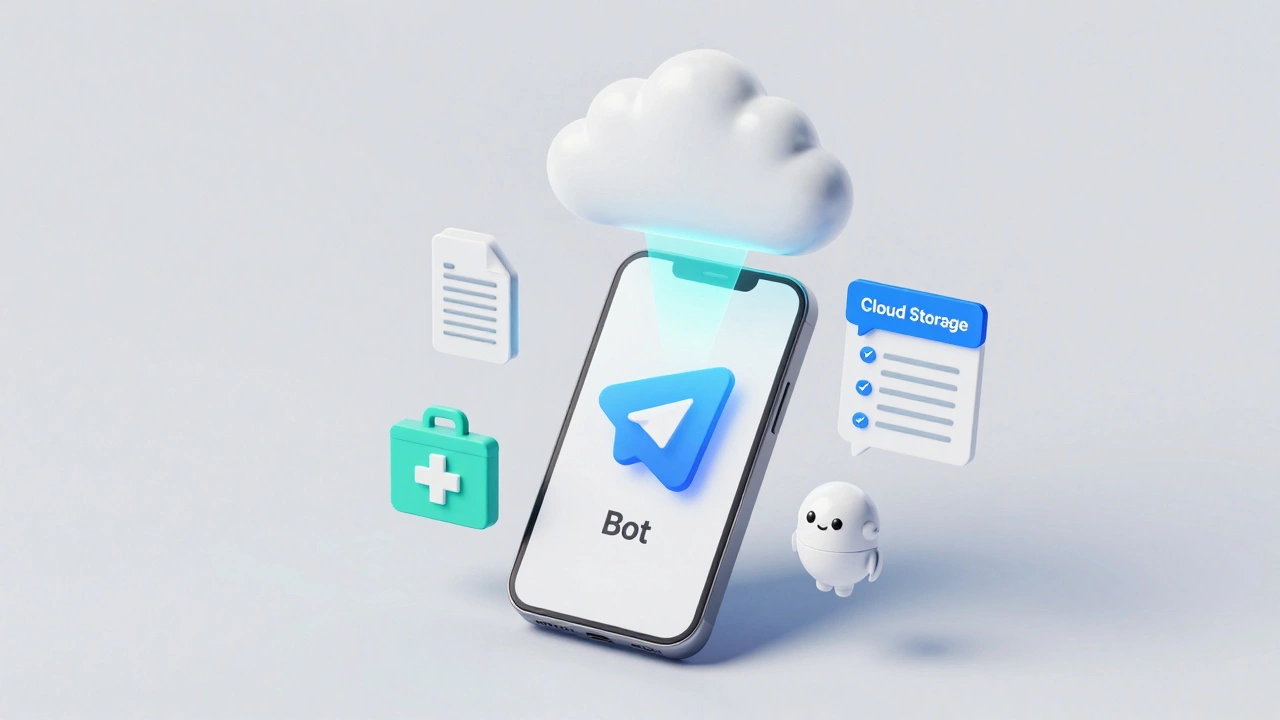
One of the biggest hurdles in emerging markets is the hardware. Many users rely on older Android devices with limited storage. Cloud Storage is the technology that allows Telegram to store messages and files on its own servers rather than the user's device is critical here. Unlike WhatsApp, which can clog a phone's memory with media files, Telegram keeps the heavy lifting in the cloud. This means a health worker can send a detailed PDF guide on treating malaria, and the recipient can view it without crashing their phone.
Furthermore, the Telegram for NGOs strategy often involves the use of Telegram Bots is automated programs that can interact with users, answer FAQs, and route people to specific resources . Imagine a bot where a user types "symptoms" and immediately receives a triage checklist and the location of the nearest clinic. This removes the need for a human operator to be available 24/7, allowing small NGO teams to scale their impact exponentially.
| Feature | Telegram Channels | Traditional SMS | Facebook Groups |
|---|---|---|---|
| Reach Cost | Free / Low Data | Expensive per message | Free but Algorithmic |
| Content Type | Rich Media (PDF, Video) | Text Only | Rich Media |
| User Capacity | Unlimited | Limited by Segment | Capped / Fragmented |
| Privacy/Security | High (Encrypted) | Low | Moderate |
Fighting the Infodemic with Verified Data
The dark side of instant messaging is the speed at which misinformation spreads. We've seen dangerous health myths-like the "Germanic New Medicine" fallacy-cause real-world fatalities by tricking people into abandoning professional medical care. NGOs use Telegram not just to share news, but to act as a digital firewall. By creating "Verified" channels, they provide a baseline of scientific truth that counters the viral noise.
To do this effectively, NGOs employ a strategy called "Pre-bunking." Instead of just debunking a myth after it has spread, they use Telegram's polling feature to ask users if they've heard a specific rumor. Once the NGO sees a spike in a particular misconception, they immediately broadcast a clear, evidence-based correction. This proactive approach transforms the platform from a risk into a tool for cognitive immunization.
Localized Strategies for Global Impact
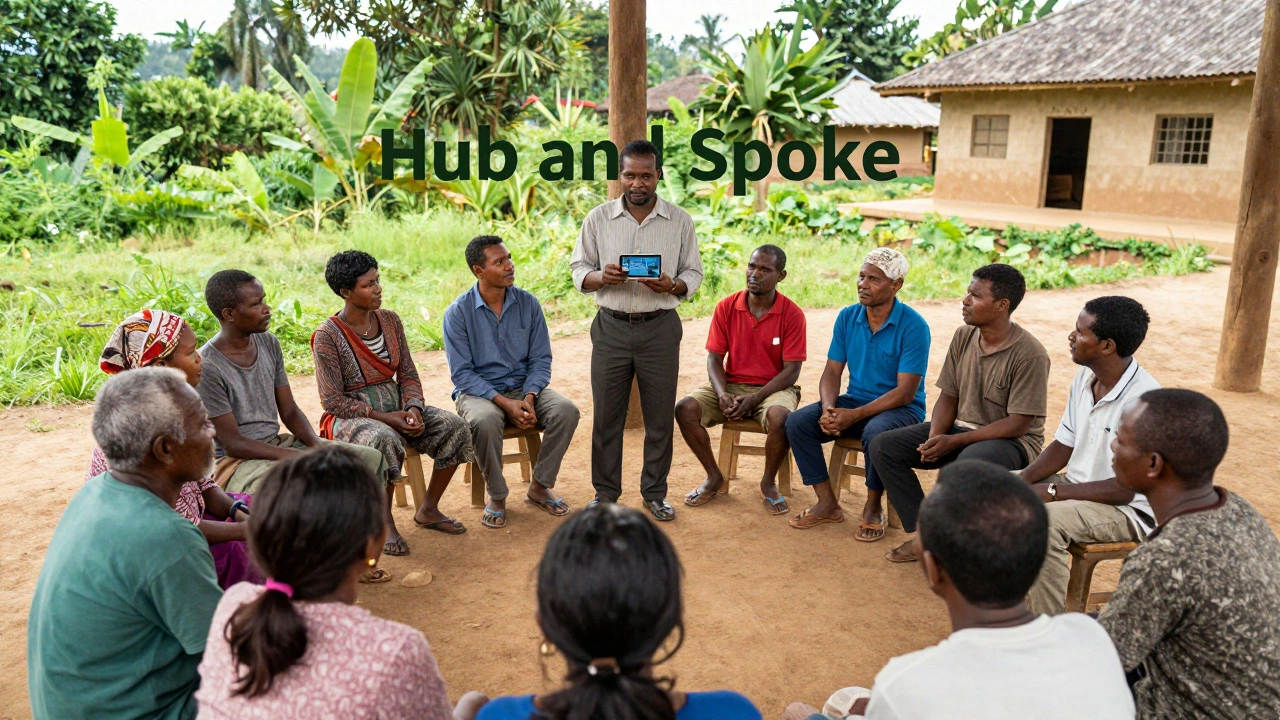
A generic health message sent from a headquarters in Geneva rarely works in a rural village in Thailand. The most successful NGOs use a "Hub and Spoke" model. The central NGO provides the core medical data, but local community leaders-the "spokes"-translate and adapt that news into local dialects and cultural contexts via smaller, private Telegram Groups is interactive chat spaces where multiple users can discuss topics in real-time .
This localization creates a feedback loop. If a health directive is impractical for a certain region-say, suggesting a hand-washing protocol in an area with no running water-the local leaders can notify the NGO immediately. The NGO then adjusts the guidance and pushes the updated version back through the channel. This agility is something traditional public health bureaucracy simply cannot match.
The Technical Roadmap for Health Distribution
If an organization is starting from scratch, the rollout usually follows a specific sequence to ensure the news actually gets read. First, they build awareness through Cross-Platform Promotion is the act of using established social networks to drive users toward a new communication channel , using QR codes on physical clinic posters to lead people directly to the Telegram link.
- Establish the Source: Create a public channel with a clear name (e.g., "City Health Alert - Lagos") and a professional avatar.
- Seed the Content: Upload a library of "Evergreen" health tips so new subscribers have immediate value.
- Deploy the Bot: Set up an automated FAQ bot to handle routine questions about clinic hours or vaccination dates.
- Engage through Polls: Use the built-in polling tool to gauge community needs and sentiment.
- Iterate: Analyze which posts get the most forwards (the key metric for organic growth) and double down on those formats.
Risks and Mitigations
It's not all smooth sailing. The very privacy that makes Telegram attractive to users also makes it a haven for bad actors. NGOs have to deal with the risk of their channels being targeted by spam bots or malicious actors attempting to impersonate health officials. To mitigate this, organizations use strict administrative permissions, limiting who can post and ensuring that only a few vetted experts have "Admin" rights.
Another challenge is the "Echo Chamber" effect. People tend to join channels that align with their existing beliefs. To break this, NGOs often partner with non-health entities-like local sports clubs or religious organizations-to get their health links shared in diverse groups, ensuring the news reaches people who wouldn't normally seek out medical information.
Why choose Telegram over WhatsApp for health news?
Telegram allows for unlimited subscribers in a channel, whereas WhatsApp groups have stricter limits. Additionally, Telegram's cloud-based storage is better for users with low-end devices, and its robust Bot API allows for much more complex automation of health FAQs.
How do NGOs handle misinformation on the platform?
They use "pre-bunking" strategies, employing polls to identify trending myths and then broadcasting verified, evidence-based corrections to the same audience before the misinformation takes deep root.
Is Telegram secure enough for sensitive health data?
While Telegram is secure for broadcasting general public health news, NGOs generally avoid sending personally identifiable health information (PII) through it, as standard chats are not end-to-end encrypted by default. They use it for distribution, not for individual patient records.
How can a small NGO grow their channel in a new region?
The best method is using physical-to-digital bridges, such as placing QR codes in clinics and pharmacies, and partnering with local community influencers who already have the trust of the population.
What is the role of Bots in this process?
Bots act as first-line responders. They can provide instant answers to common questions, help users find the nearest health facility via GPS, and collect basic data on community needs without requiring a human staff member to be online.