When a viral video hits Telegram claiming a government official made a secret statement, or a photo shows a disaster that never happened, professional fact-checkers don’t just scroll past. They stop. They dig. And they trace it all the way back to the source - often through layers of encrypted forwards, deleted posts, and fake channels. Unlike Facebook or X, where fact-checkers once had direct access to flagged content, Telegram offers no partnership, no API, and no transparency. So how do they do it? And why is it so much harder here than anywhere else?
They Don’t Trust the Algorithm - They Trust Their Hands
Most platforms rely on automated tools to flag false content. Telegram doesn’t. That means fact-checkers have to do the work manually. According to research from Harvard Kennedy School in January 2024, human verification achieves an 87% accuracy rate on Telegram claims, while algorithmic tools alone drop to 63%. That’s why teams at Bellingcat and the Atlantic Council’s DFRLab don’t use bots. They use screenshots, timestamps, and reverse image searches. Every claim starts with one question: Where did this really come from? They use the SIFT Method - Stop, Investigate, Find, Trace. First, they pause. No reaction. No sharing. Then they investigate the source. Is it a channel called "Global News Today"? That’s a red flag. Real outlets don’t use vague names. They check if the channel has been around for years or was created yesterday. Then they find better coverage. Is there a news article from Reuters or AP that mentions the same event? If not, that’s a clue. Finally, they trace. They go backward - to the original image, video, or text - often using tools like Telegram History Dumper or saved messages to find the earliest version.They Use the CRAP Test - But Adapted for Telegram
The CRAP Test (Currency, Reliability, Authority, Purpose) isn’t new. But on Telegram, it’s rewritten. Currency? Most posts don’t have dates. So fact-checkers look at the metadata of images - when the file was created, not when it was sent. Reliability? A channel claiming to be "Ukraine Military Updates" might be run by someone in Kyiv… or someone in Minsk. They cross-check the channel’s history. Did it post about the 2022 missile strike in Lviv? If it only started posting after the war began, it’s likely new - and untrustworthy. Authority is harder. A channel might say "Dr. Elena Petrova, MD" - but is she real? Fact-checkers search for her name in medical databases, university websites, or LinkedIn. If she’s not listed anywhere, it’s fake. Purpose? They look at the language. Is the post using fear? Anger? "They’re stealing your children!" That’s not journalism. That’s manipulation. They flag emotional triggers as signs of disinformation.They’re Fighting Against a System Designed to Hide
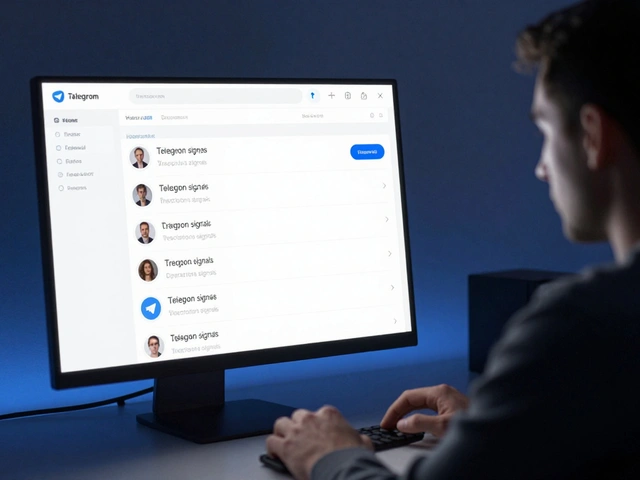
Telegram’s biggest advantage for bad actors is its private channels. About 73% of misinformation on Telegram comes from channels you can’t join unless someone invites you. Fact-checkers can’t access those. They can’t screenshot them. They can’t archive them. That’s why only 28% of professional fact-checking teams even monitor Telegram - the rest say it’s not worth the time. Even public channels are tricky. A post might look like it came from a verified news outlet - but it was copied from a Reddit thread, then reposted on Telegram with a fake logo. According to Stanford Internet Observatory data from 2025, 78% of viral Telegram content is repurposed from other platforms. Fact-checkers have to trace it back to its original source - often on Twitter, Instagram, or even a blog from 2020. They use tools like Telepathy (by Bellingcat) and Telegram Analyzer (by Meedan) to map channel networks. These tools show how content flows between channels - who reposts whom, who links to whom. It’s like tracing a river backward to find its source.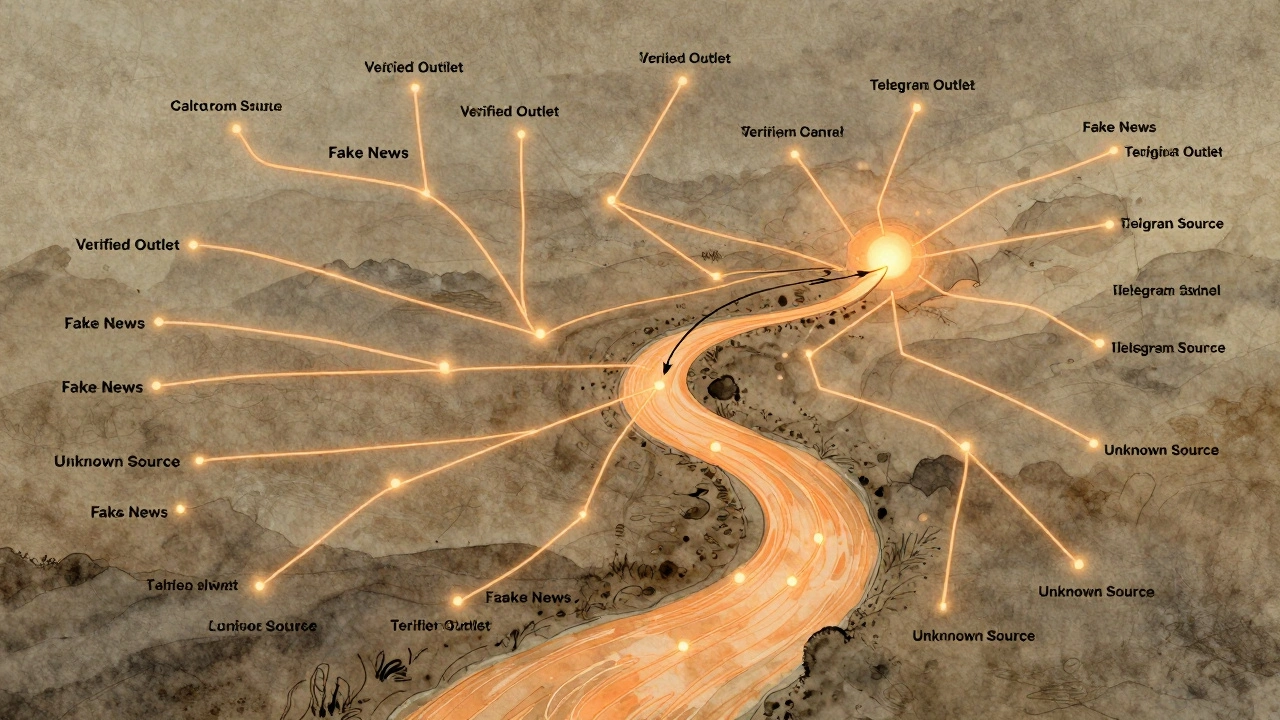
Why Telegram Is Worse Than Other Platforms
Meta used to have a fact-checking program that worked with over 100 organizations worldwide. Between 2018 and 2024, they rated 57 million pieces of content as false. That system ended in January 2025. Telegram never had one. On Facebook, if you post false content, it gets labeled. On X, Community Notes lets users add context. On Telegram? Nothing. No labels. No warnings. No way to report. That means misinformation spreads faster. A 2024 First Draft study found fact-checkers take 3.2 times longer to verify a claim on Telegram than on Facebook. And they can only verify 15-20% of what they see. The numbers tell the story. In 2023, Telegram was responsible for 12% of global misinformation. By late 2025, that jumped to 37%. The European Digital Services Act forces Telegram to improve tracing by February 17, 2026 - but until then, fact-checkers are flying blind.Who’s Actually Doing This Work?
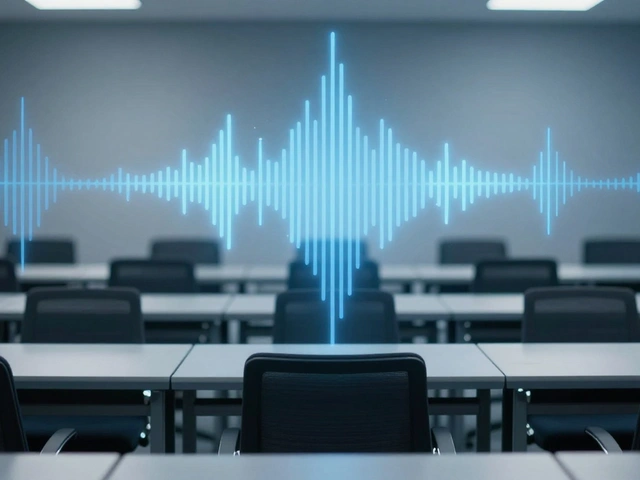
Only 11% of IFCN-certified fact-checking organizations have dedicated Telegram teams. Most are small nonprofits or independent journalists. Snopes gets 3.2 times more Telegram requests than in 2024 - but can only respond to 17%. PolitiFact launched its "Telegram Tracker" in August 2025 and debunked 247 claims by November - mostly through user submissions. That’s the key: users are now the frontline. Fact-checkers train volunteers to spot red flags. They teach them how to use reverse image search on Google or TinEye. They show them how to check a video’s audio waveform to see if it’s been sped up or cut. They teach them to look for mismatched shadows in photos - a classic sign of AI-generated images. One big challenge? Language. 72% of verified false claims on Telegram in Q3 2025 targeted Russian, Spanish, or Arabic speakers. Fact-checking teams need multilingual members. The American Press Institute found successful teams always include at least one person fluent in Russian - because 60% of the worst disinformation flows through Russian-speaking channels.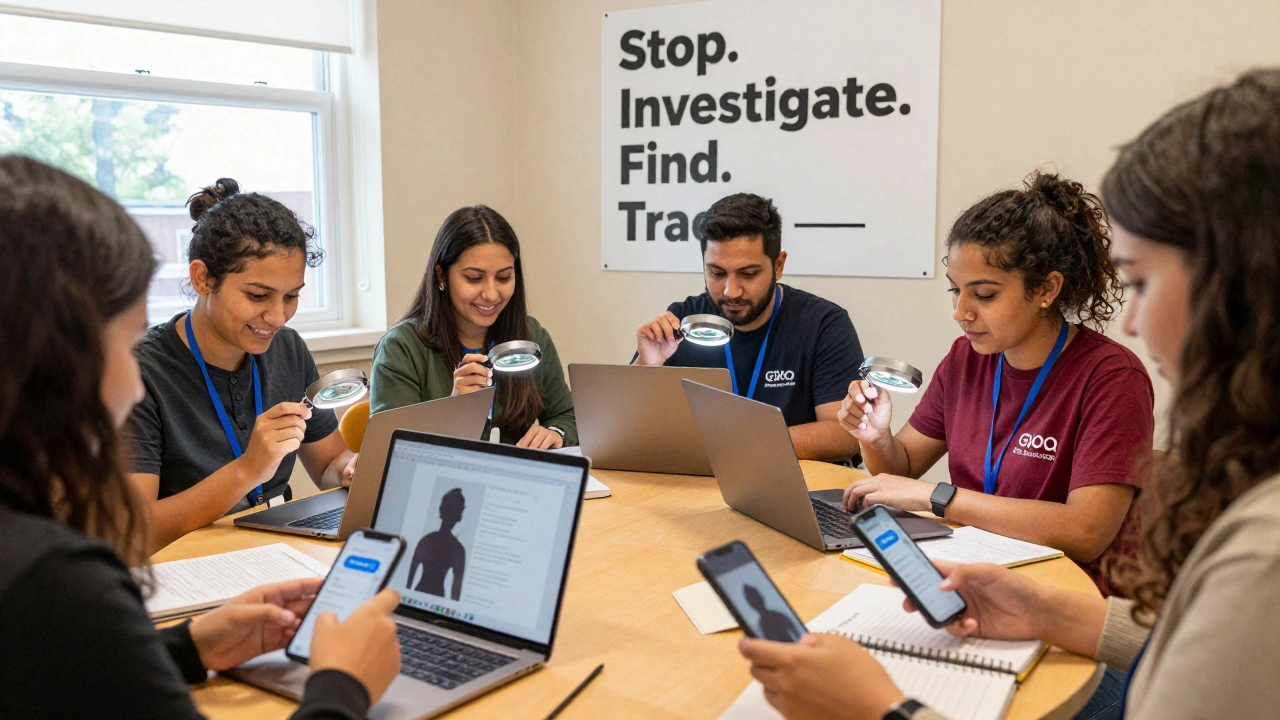
What’s Changing in 2026?
Telegram introduced "Community Verified" channels in November 2025. Only 42 major outlets - like BBC, CNN, and Deutsche Welle - got the badge. That covers less than 1.2% of misinformation volume. It’s a start, but nowhere near enough. New tools are coming. AI systems designed specifically for Telegram are in development. By Q3 2026, 67% of fact-checking groups plan to use multimodal AI that analyzes text, images, and video together. But even these won’t replace humans. As Harvard Kennedy School found, human verification corrects user belief 3.7 times more effectively than any algorithm. The bigger threat? Funding. The 2025 IFCN Sustainability Report rated Telegram fact-checking as "high risk." Forty-three percent of organizations say they’ll quit monitoring Telegram if funding doesn’t increase by 50% in 2026. It’s expensive. It’s slow. It’s exhausting.What You Can Do - Right Now
You don’t need to be a fact-checker to help. If you see something shocking on Telegram:- Stop. Don’t share.
- Check the channel. When was it created? Who runs it?
- Search the image or video on Google Images. Is it from 2020? From a different country?
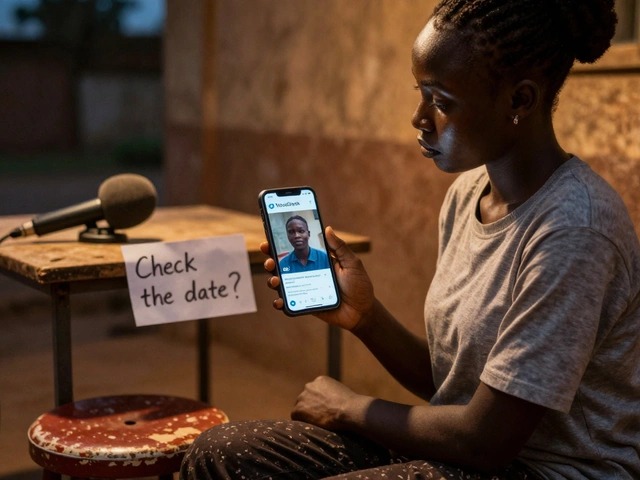
- Look for a date. If there isn’t one, be skeptical.
- Ask: Who benefits if I believe this?