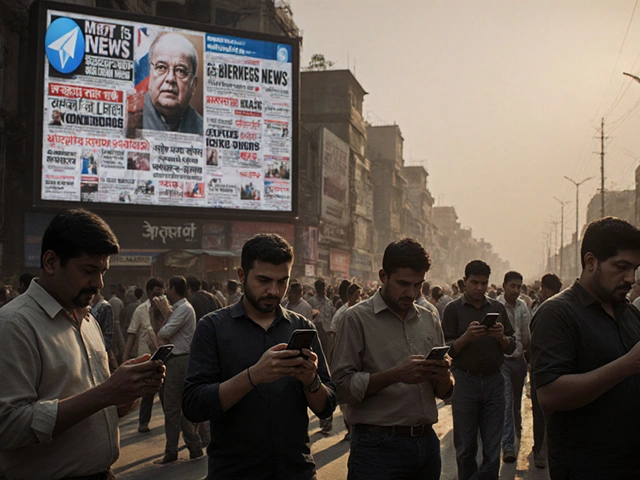
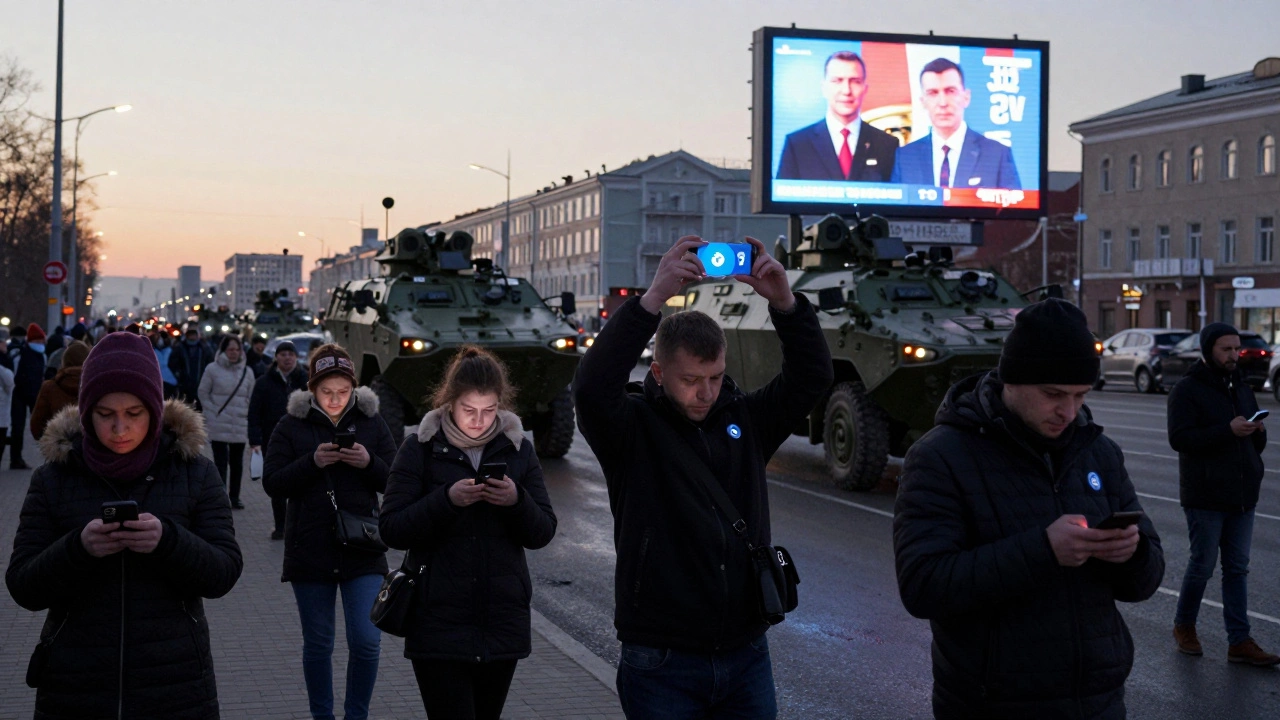
When the war in Ukraine began in February 2022, people didn’t turn to TV or newspapers for updates. They opened Telegram. In Kyiv, a mother sent a voice note to her sister in Lviv: "The airport is under fire. Don’t come here." In Moscow, a journalist posted a video of armored columns moving through the city-unedited, uncut, and unfiltered. Within minutes, it was shared by hundreds of thousands. This wasn’t an anomaly. It was the new normal.
Telegram Isn’t Just a Messaging App Anymore
Telegram started as a secure chat app, built to protect private conversations. But its architecture made it perfect for something else: broadcasting. Unlike WhatsApp, which limits group sizes to 1,000, Telegram lets anyone create a channel with millions of subscribers. No approval. No waiting. Just hit "post" and the message goes out instantly to everyone who follows you.This is why, during the Ukraine conflict, official government channels, independent journalists, and even civilians with smartphones became news sources. The Ukrainian Ministry of Defense used Telegram to share real-time updates on troop movements. A student in Kharkiv livestreamed a drone strike from her balcony. A Russian soldier’s wife posted a photo of her husband’s uniform with a note: "He’s not coming home." These weren’t curated by editors. They were raw, urgent, and often the only truth people had.
Why Traditional Gatekeepers Lost Control
For decades, news flowed through a narrow pipeline: reporters wrote, editors approved, broadcasters aired. That system had flaws-slow, biased, filtered-but it had structure. Telegram shattered it.Gatekeeping didn’t disappear. It scattered. Now, every channel admin is a gatekeeper. Every follower decides what to trust. A channel run by a Ukrainian soldier might share verified intel. Another run by a bot farm might flood the feed with fake videos of explosions. The difference? On TV, you get one version of the truth. On Telegram, you get dozens-and you have to pick.
This shift wasn’t just about speed. It was about control. In Russia, state media spun the war as a "special operation." But Telegram users saw footage of burned tanks, abandoned uniforms, and civilians fleeing. In Belarus, where press freedom was crushed, journalists used Telegram to publish stories that newspapers couldn’t print. In Tanzania, a fact-checking group used WhatsApp (a Telegram cousin) to debunk government claims about vaccine shortages-because no local TV station would touch it.
The Double-Edged Sword of No Moderation
Telegram doesn’t delete posts. It doesn’t ban users for spreading lies. It doesn’t hide content behind algorithms. That’s why it’s so powerful-and so dangerous.When a hospital in Mariupol was hit, a nurse posted a video showing children trapped under rubble. It went viral. Aid organizations saw it. The Red Cross responded. That video saved lives.
But the same day, a channel with 2 million followers posted a fake video of Ukrainian drones attacking a kindergarten. It was edited with AI. No one checked. Thousands shared it. Russia’s military used it in propaganda broadcasts. By the time fact-checkers debunked it, the damage was done.
There’s no middle ground. Telegram’s lack of moderation means you get truth faster-but you also get lies faster. Verification becomes your job. Not the platform’s.
How Telegram Changes Who Gets Heard
Traditional media favors institutions: governments, corporations, big newsrooms. Telegram favors anyone with a phone.During the 2023 Sudan conflict, a local pharmacist in Khartoum started a Telegram channel to report food shortages. Within days, it had 500,000 followers. International NGOs used his updates to direct aid. He wasn’t a journalist. He wasn’t famous. He was just someone with a connection.
This is the quiet revolution: marginalized voices-activists, refugees, dissidents, frontline workers-are no longer waiting for permission to speak. They’re broadcasting directly. And if enough people follow them, their truth becomes undeniable.
What Telegram Can’t Do (And What You Shouldn’t Try to Bypass)
Telegram does have limits. It blocks forwarding of certain files to stop spam. It limits how often messages can be shared. It even has rules against using bots to copy content from channels without permission.Some users try to hack around this. They download third-party apps that claim to "unlock" Telegram. They use scripts to auto-forward messages. They scrape channel content. But these tools are risky. Many contain malware. Some steal login data. Others turn your phone into a bot.
The safest way to share content? Ask the channel owner. Most are happy to give permission. A few even offer official repost links. It’s simple. It’s respectful. And it’s the only way that doesn’t put your security at risk.
The New Hybrid Media World
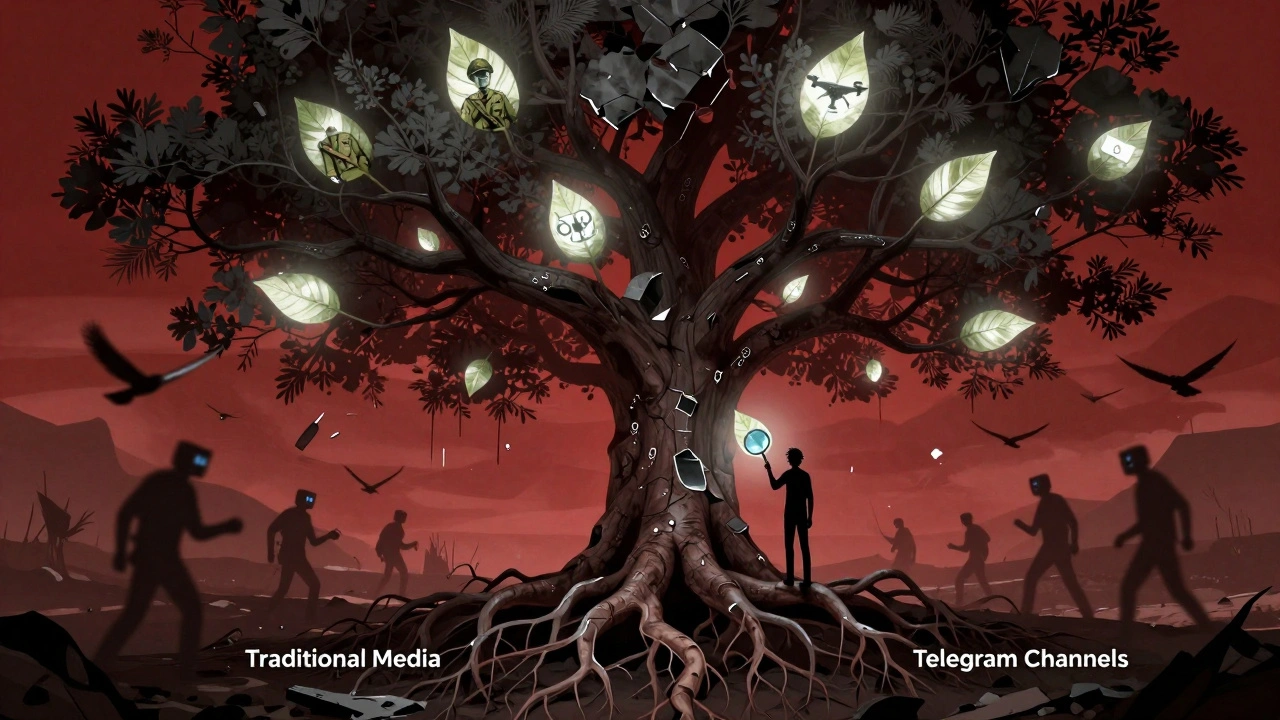
Telegram didn’t kill traditional media. It forced it to change. Newsrooms now monitor Telegram channels for breaking stories. Reporters verify Telegram posts before publishing. Broadcasters cite Telegram sources on air.In 2025, a CNN team reported on a missile strike in eastern Ukraine by cross-referencing three Telegram videos, one from a local resident, one from a drone operator, and one from a Ukrainian military channel. They didn’t ignore Telegram. They used it-as a source, not a substitute.
This is the new reality: media isn’t top-down anymore. It’s a web. Traditional outlets still matter. But they’re now part of a larger ecosystem-one where Telegram plays a central role.
What This Means for You
If you’re trying to stay informed during a crisis, don’t rely on one source. Don’t trust a viral video just because it’s trending. Check: Who posted it? When? Where? Does another channel confirm it? Look for consistency across multiple independent sources.If you’re a journalist or activist, Telegram gives you a direct line to the public. But with that power comes responsibility. Verify before you post. Label uncertainty. Link to sources. Your credibility is your only shield.
And if you’re just a regular user? You’re no longer just a consumer of news. You’re part of its distribution. Every share, every forward, every comment shapes what others believe. Choose wisely.
Telegram didn’t invent the idea of bypassing gatekeepers. But it perfected it. In 2026, it’s not just a messaging app. It’s one of the world’s most powerful news networks-and the most unpredictable one yet.