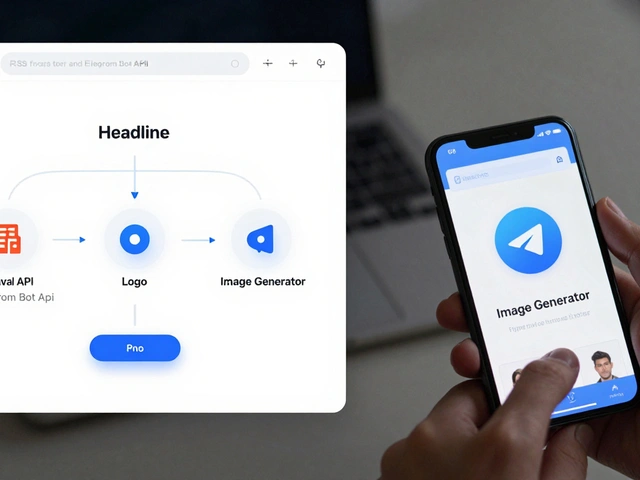
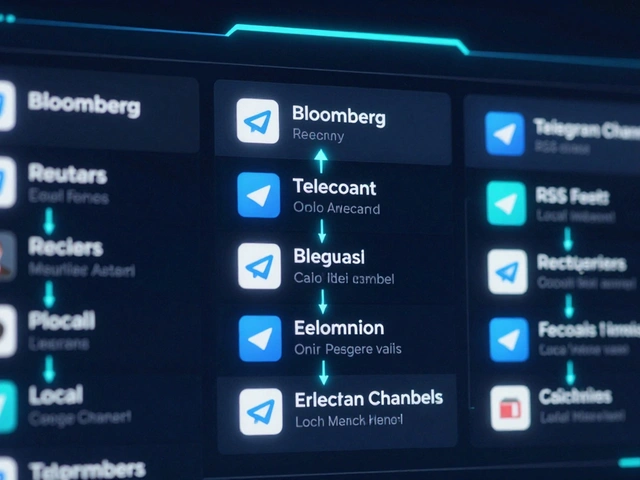
By 2025, Telegram isn’t just another messaging app. It’s become one of the most powerful tools for delivering news around the world-especially where traditional media can’t reach. In Ukraine, 78% of people get their updates from Telegram channels. In parts of the Middle East and Central Asia, it’s the only reliable source during conflicts. And in the U.S., nearly one in three daily users says they turn to Telegram for news they won’t find on Facebook or Twitter. This isn’t a trend. It’s a full-scale shift in how the world consumes information.
Why Telegram Works for News When Other Platforms Fail
Most social media platforms are built to keep you scrolling. They push content based on what they think you’ll click on, not what you need to know. Algorithms favor outrage, emotion, and short clips. That’s great for engagement, but terrible for real journalism. Telegram doesn’t do that. It has no algorithm. When you join a news channel, you see every post in order-oldest unread first. That means a breaking report from Kyiv at 3 a.m. doesn’t disappear after 10 minutes. It stays visible until you read it. That’s why journalists in war zones, crackdowns, and censorship-heavy countries rely on it. Channels can have unlimited subscribers. Some news channels on Telegram have over 5 million followers. Compare that to Facebook, where publisher pages now reach less than 6% of their followers organically. On Telegram, if you subscribe, you get everything. No paywalls. No hidden posts. No ad-driven distortion. And the volume? News channels post 10 to 20 times a day. That’s not spam. It’s real-time reporting. During the Israel-Hamas war, Telegram became the primary source for eyewitness footage, official statements, and on-the-ground updates. Traditional outlets were slow, filtered, or blocked. Telegram wasn’t.The Rise of Expert-Led Channels
People are tired of polished influencer content. They’re tired of clickbait headlines and recycled opinions. In 2025, audiences are seeking depth. And Telegram is where they’re finding it. Successful channels aren’t run by media companies. They’re run by experts: former intelligence officers, war correspondents, data journalists, local doctors, engineers, and academics. One channel run by a Ukrainian military analyst has over 2 million subscribers. He doesn’t do interviews. He posts maps, satellite images, and translated documents. No fluff. Just facts. His audience trusts him because he’s consistent, transparent, and doesn’t chase views. This is what experts call “the return of the expert channel.” It’s not about personality. It’s about authority. And Telegram’s structure rewards that. No likes. No comments section full of trolls. Just a clean feed of information. Users who follow these channels are there to learn, not to be entertained.How Telegram Makes Money-And Why That Matters for Journalism
Traditional news outlets survive on ads and subscriptions. Ads are shrinking. Subscriptions are hard to sell. By 2023, Facebook’s organic reach for news pages had dropped to 5.2%. Newspapers were bleeding readers and revenue. Telegram’s model is completely different. It doesn’t sell ads on news channels. Instead, it makes money through Telegram Premium ($4.99/month), and channels monetize independently. Some sell digital reports. Others run paid newsletters. A few partner with nonprofits or crowdfunding platforms. One channel covering climate policy in Southeast Asia raised $120,000 in reader donations last year. This changes everything. Journalists aren’t dependent on advertisers who want safe, neutral content. They’re accountable to their audience. If you lie, you lose followers. Fast. No algorithm will save you. And the numbers back it up. Telegram generated $525 million in revenue in the first half of 2024-up 190% from the year before. That’s not just from premium users. It’s from the growing ecosystem of journalists and publishers who’ve built sustainable models on the platform.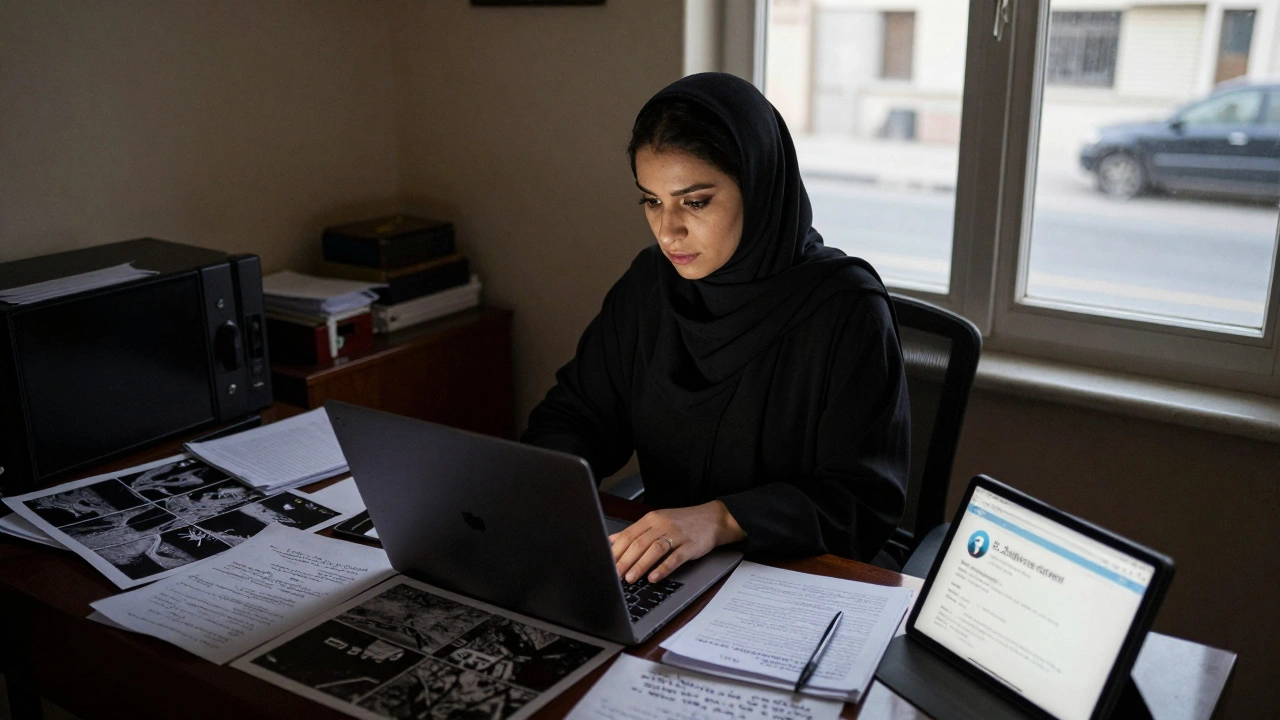
The Dark Side: Misinformation and the Erosion of Trust
But Telegram’s strength is also its weakness. There’s no fact-checking. No content moderation. That means real news flows freely-but so do lies. During the Israel-Hamas war, fake videos of bombings, doctored audio of speeches, and manipulated maps spread rapidly. One Reddit user admitted they shared three false videos from popular channels in a single month. A 2025 survey of 1,200 Telegram news users found 68% valued the unfiltered access to experts. But 57% said they were worried about misinformation. That’s the paradox. People love the freedom-but they’re scared of what it enables. In Ukraine, where Telegram is the primary news source, journalists have started creating “verification hubs.” These are dedicated channels that cross-check footage, identify fake accounts, and flag false claims. It’s grassroots journalism at its most urgent. The problem isn’t just false content. It’s the collapse of shared facts. When one person gets news from a verified expert channel and another gets it from a bot-driven misinformation account, there’s no common ground. That’s dangerous for democracy.Telegram’s Policy Shift: A Turning Point for Journalists
In August 2024, Telegram’s founder Pavel Durov was arrested in Paris. By mid-2025, the platform changed its stance. It started sharing user data-IP addresses, phone numbers-with law enforcement when requested. This was a massive shift. For years, Telegram was the go-to for dissidents, whistleblowers, and journalists in repressive regimes. Now, that safety net is fraying. In Belarus and Russia, some journalists have already moved to Signal or Matrix. Others are using burner phones and temporary accounts. The Telegram Journalism Coalition, a group of 2,400 reporters and activists, now offers training on how to stay anonymous even on Telegram. They teach things like using VPNs, disabling cloud backups, and avoiding linking accounts to real identities. The platform isn’t shutting down free speech. But it’s no longer immune to pressure. Governments in the EU, India, and Brazil are demanding the same cooperation. If Telegram keeps complying, it risks losing its reputation as a safe space for journalism. If it doesn’t, it could face bans.
The Future: Verified News and the Fight for Balance
Telegram knows the problem. In June 2025, it announced “Verified News”-a pilot program that will give official badges to news channels that meet certain standards. Think of it like Twitter’s blue check, but with stricter rules: verified outlets must have a public editorial policy, a history of accurate reporting, and a way for users to report errors. It’s a start. But it’s not enough. The real challenge isn’t just labeling truth. It’s rebuilding trust in a system designed to avoid labels entirely. Analysts predict Telegram will capture 25-30% of the global news audience by 2027. But that depends on whether it can walk the tightrope: stay open enough for journalists to operate freely, but structured enough to stop chaos. Right now, it’s working because people are desperate for truth. But if misinformation grows too fast, or if governments shut it down, the whole system could collapse. The future of journalism on Telegram isn’t guaranteed. It’s being written every day-by the journalists who post, and the readers who choose to believe.What Journalists Need to Know Before Starting a Telegram Channel
If you’re a journalist thinking about launching a Telegram channel, here’s what actually works:- Post 10-20 times a day. News channels that post less than 5 times daily lose momentum. Consistency beats perfection.
- Turn off notifications. Most successful channels have notifications off by default. That means users choose to check in. That builds loyalty.
- Use polls and Q&As. Ask your audience what they want to see next. That boosts retention by 37%, according to internal metrics.
- Don’t rely on comments. Telegram’s comments are weak. Use pinned posts or separate channels for discussion.
- Train for 17 hours. That’s the average time it takes for a journalist to learn how to use Telegram effectively-mostly understanding the pull model, not the push.
How Users Can Stay Safe and Informed on Telegram
If you’re reading news on Telegram, here’s how to protect yourself:- Follow verified expert channels. Look for accounts with clear bios, links to their work, and a history of accurate reporting.
- Check multiple sources. If a video claims to show an event in Gaza, look for the same footage on other channels. Cross-reference dates and locations.
- Use the search function. Type in keywords like “verified” or “fact check” to find community-run verification hubs.
- Don’t share unverified content. Even if it feels urgent, sharing false info makes you part of the problem.
- Use two-factor authentication. Protect your account so no one can impersonate you or hijack your subscriptions.
Is Telegram safe for journalists in authoritarian countries?
It’s riskier than it used to be. Since mid-2025, Telegram has started sharing user data with law enforcement upon request. Journalists in places like Russia, Iran, or China should use burner phones, avoid linking accounts to real identities, and enable encryption for sensitive chats. The Telegram Journalism Coalition offers free training on these practices.
Can I make money from a Telegram news channel?
Yes, but not through ads. Most successful channels earn money through reader donations, paid newsletters, digital reports, or selling merchandise. Some partner with NGOs or foundations. The key is building trust-your audience pays you because they believe in your work, not because you’re pushing ads.
Why is Telegram more popular than Twitter for news?
Telegram has no algorithm, no ads, and unlimited reach. On Twitter, your posts get buried unless you pay. On Telegram, every subscriber sees everything you post. Plus, Telegram’s chronological feed means older news stays visible. Journalists and readers prefer that transparency.
How do I know if a Telegram news channel is trustworthy?
Look for three things: a clear bio with real names or affiliations, a history of accurate reporting (check archives), and links to external sources. Avoid channels that only post videos with no context. Trusted channels often link to official documents, satellite imagery, or primary sources. You can also search for verification hubs-community-run channels that fact-check popular posts.
Is Telegram replacing traditional news outlets?
In conflict zones and countries with press censorship, yes. In Ukraine, 78% of citizens get their news from Telegram. In the U.S., 54% of people aged 18-29 use Telegram for news, compared to just 28% who use traditional outlets. But in places with free press, traditional media still dominates. Telegram isn’t replacing journalism-it’s forcing it to adapt.
Telegram didn’t set out to change journalism. But it did. By giving power back to the people who report-and the people who read-it created something new: a news ecosystem that’s fast, raw, and real. The question now isn’t whether it’s working. It’s whether we can keep it from breaking.