Stop treating your Telegram channel like a final destination. If you're just posting news updates and leaving the conversation there, you're leaving money and data on the table. The real power of Telegram is its ability to act as a high-speed funnel, moving a highly engaged audience from a quick chat interface to a deep-dive article on your own domain where you own the pixels and the analytics.
The goal isn't just to get a click; it's to create a seamless transition. Most creators fail because they either post a raw link with no context or write a summary so complete that the reader feels they've already "read" the article. To win, you need to balance the "value-first" approach with a strategic gap that only your website can fill.
The Value-First Funnel Strategy
People use Telegram for speed. They want the gist of the news immediately. To drive traffic, you must provide an immediate win-a summary, a shocking stat, or a critical takeaway-and then tease the "how" or the "why" that lives in the full article. This is the Content Distribution model: use the platform for discovery and your website for consumption.
For instance, if you're running a tech news channel, don't just post "New AI chip released. Read more here." Instead, list three specific ways this chip changes the game for developers. Once the reader is hooked on the implications, provide the link to the full technical breakdown. You've provided value in the app, and now the reader has a genuine reason to leave the app to get the full story.
Turning Telegram Posts into SEO Assets
One of the most overlooked facts about Telegram is that its public channels can be indexed by Google. This means your news posts aren't just for your current subscribers; they are mini landing pages for the rest of the web. If you treat your captions as search-friendly content assets, you can attract organic search traffic directly into your funnel.
Avoid short, cryptic phrases. Instead, write clear, descriptive captions using full sentences. If you're talking about "iPhone 17 leaks," make sure that exact phrase appears naturally in your post. When a user finds your post via a Google search, they are already in a "discovery" mindset, making them significantly more likely to click through to your full website article to verify the details.
| Element | Low-Conversion Approach | High-Conversion Approach |
|---|---|---|
| Caption | "Check out our latest post!" | "3 Reasons why the new API update breaks your workflow (and how to fix it)" |
| Link Placement | Buried in a long paragraph | Standalone line with a clear CTA (Call to Action) |
| Visuals | Generic stock photo | Custom infographic teasing a data point from the article |
| Keywords | None / Vague | Specific, high-volume terms identified via Google Keyword Planner |
Scaling with Automation and Bot Integration
Managing a high-frequency news channel manually is a recipe for burnout. To keep a steady stream of traffic, you need a system that pushes content without you being glued to the screen. Telegram Bots are the engine here. By implementing auto-content push features, you can ensure that as soon as an article hits your CMS, a formatted summary hits your channel.
However, beware of the "spam spike." Sending ten articles in one hour might give you a temporary traffic jump, but it kills your retention rate. The most successful marketers use tools like the Telegram Expert platform to drip-feed content and send personalized messages in controlled bursts. This creates a perception of a living, breathing community rather than an automated billboard.
Pro tip: Use a welcome bot for new subscribers. Instead of just saying "Hi," offer a high-value lead magnet-like a free e-book or a curated list of your best articles. Data suggests that personalized welcome sequences can boost long-term subscriber retention by 30% to 50%, ensuring that your future traffic drivers are actually seen by the audience.
Multi-Channel Amplification (The Signal Network)
If you rely solely on Telegram, you're vulnerable to platform shifts. The smartest strategy is to treat your Telegram channel as the "hub" of a larger signal network. You want to drive traffic from other platforms *into* Telegram, which then pushes them to your website. This creates a compounding effect on your Click-Through Rate (CTR).
Try this workflow: post a 15-second "teaser" on Instagram Reels or TikTok, directing people to your Telegram for the "full summary," and then use the Telegram post to send them to your website for the "complete guide." By adding these layers, you filter for the most interested users, which typically results in higher time-on-page and lower bounce rates once they actually hit your site.

Analyzing Performance and Iterating
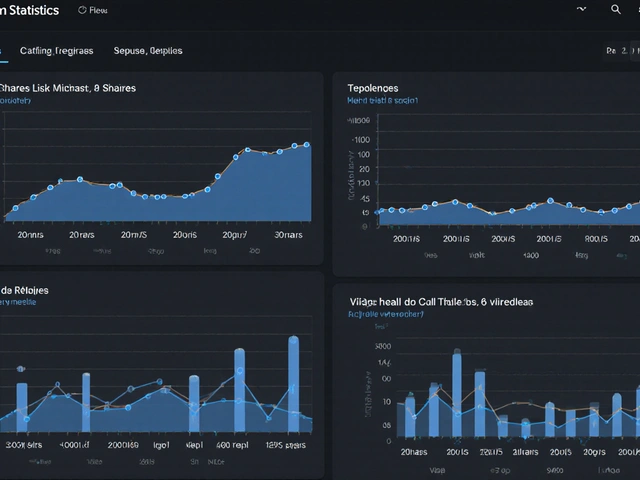
You can't improve what you don't measure. Raw Telegram stats only tell you how many people saw a post, not how many actually landed on your site. Use unique UTM Parameters for every single link you post. This allows you to see exactly which headlines, emojis, or time-of-day patterns drive the most traffic in your Google Analytics dashboard.
Experiment with different formats. For example, a short video clip linked in a Telegram post often yields a higher CTR (around 5%) compared to a purely text-based recommendation (which might hover around 2%). If you notice that "How-to" summaries drive more traffic than "Breaking News" summaries, pivot your content calendar to favor the former.
Do Telegram links hurt my website's SEO?
No, they don't. While links from Telegram are typically "no-follow," meaning they don't pass direct PageRank, they drive massive amounts of real human traffic. Google recognizes high user engagement and direct traffic as positive signals, which can indirectly help your rankings by improving your site's authority and user behavior metrics.
Should I use link shorteners like Bitly?
Generally, avoid them unless you need the specific tracking they provide. Many users are wary of shortened links because they hide the destination and can be associated with spam. Using a clear, branded URL or a descriptive link is more trustworthy and typically results in a higher click-through rate.
How often should I post links to my website?
Quality beats frequency. If you post five links a day, users will start tuning out. Aim for 1-3 high-quality "traffic drivers" per day. Balance these with engagement posts-like polls or Q&A sessions-that don't ask the user to leave the app. This keeps the algorithm happy and your audience engaged.
Can I automate the entire process?
You can automate the delivery, but not the strategy. While bots can post your RSS feed, a human should still craft the "hook" or the summary. Purely automated feeds often feel robotic and see a sharp decline in CTR compared to posts that feel curated for the community.
What is the best time to post for maximum traffic?
It depends on your audience's time zone, but generally, mid-morning (9 AM - 11 AM) and early evening (6 PM - 8 PM) see the highest engagement. The key is consistency; find a window that works and stick to it so your subscribers develop a habit of checking your channel at those times.
Next Steps for Growth
If you're just starting, begin by auditing your last 20 posts. Identify the three that got the most views and analyze why: Was it the image? The urgency of the headline? The specific value promised? Once you find a winning pattern, double down on it.
For those with established channels, the next step is advanced segmentation. Use bots to track which users click which types of links, then create specialized sub-channels or folders for different interests. The more relevant the content is to the specific subscriber, the higher your conversion rate from "Telegram reader" to "Website visitor" will be.