Running a news outlet on Telegram is a double-edged sword. You get a direct line to millions of subscribers without the algorithm headaches of traditional social media, but you're also operating in a digital wild west. Because of its decentralized nature and massive file-sharing capacity, piracy and unauthorized content redistribution happen fast. If your original reporting or exclusive media is being stolen, you can't just click a 'report' button and expect it to vanish instantly. You need a systematic approach to copyright claims to protect your intellectual property.
The Reality of Copyright Enforcement on Telegram
Unlike platforms with aggressive automated filters, Telegram is largely reactive. It doesn't proactively scan for copyright hits. Instead, it relies on rights holders to point out the problem. This puts the burden of proof and monitoring squarely on your shoulders. For news organizations, this means you can't just set and forget your content; you have to actively police where it lands.
The platform's architecture-specifically Telegram Channels and groups that allow for public broadcasting and large-scale file sharing -makes it incredibly easy for "aggregator" channels to steal your news and pass it off as their own. While Telegram claims to be fully compliant with industry standards, the speed of removal varies wildly depending on how you file your claim.
Step-by-Step Guide to Filing a DMCA Takedown
The most common tool for news media is the DMCA is the Digital Millennium Copyright Act, a US law that provides a framework for online service providers to remove infringing content upon notice . If you find your work being distributed without permission, follow this exact sequence to ensure your request isn't ignored.
- Gather Evidence: Don't just send a link. Take clear screenshots of the infringing post. Note the exact channel name and the specific URL of the post. If the channel is private, you'll need to provide evidence of how you accessed it.
- Verify Ownership: Prepare a document that proves you own the content. This could be a link to the original publication on your official website with a timestamp or a raw file with metadata.
- Draft the Notice: Your email must be formal and complete. It needs to include:
- A detailed description of the original work.
- The specific location of the infringing material on Telegram.
- Your full contact information.
- A "good faith" statement asserting that you believe the use of the material is not authorized by the copyright owner.
- Submit via Official Channels: Send the completed notice to Telegram's designated DMCA agent at [email protected].
A common mistake is sending a vague email saying "someone is stealing my news." These are almost always ignored. The more specific you are with URLs and timestamps, the faster the review process moves.
| Method | Typical Speed | Success Rate | Best For... |
|---|---|---|---|
| Standard DMCA Notice | Days to Weeks | Moderate | Individual posts or small channels |
| Cease & Desist Letter | Variable | High (Psychological) | Corporate entities or known competitors |
| Government Directive | Hours | Very High | Massive piracy rings or legal violations |
| Professional Services | Hours to Days | High | High-volume news publishers |
When DMCA Isn't Enough: Escalation Strategies
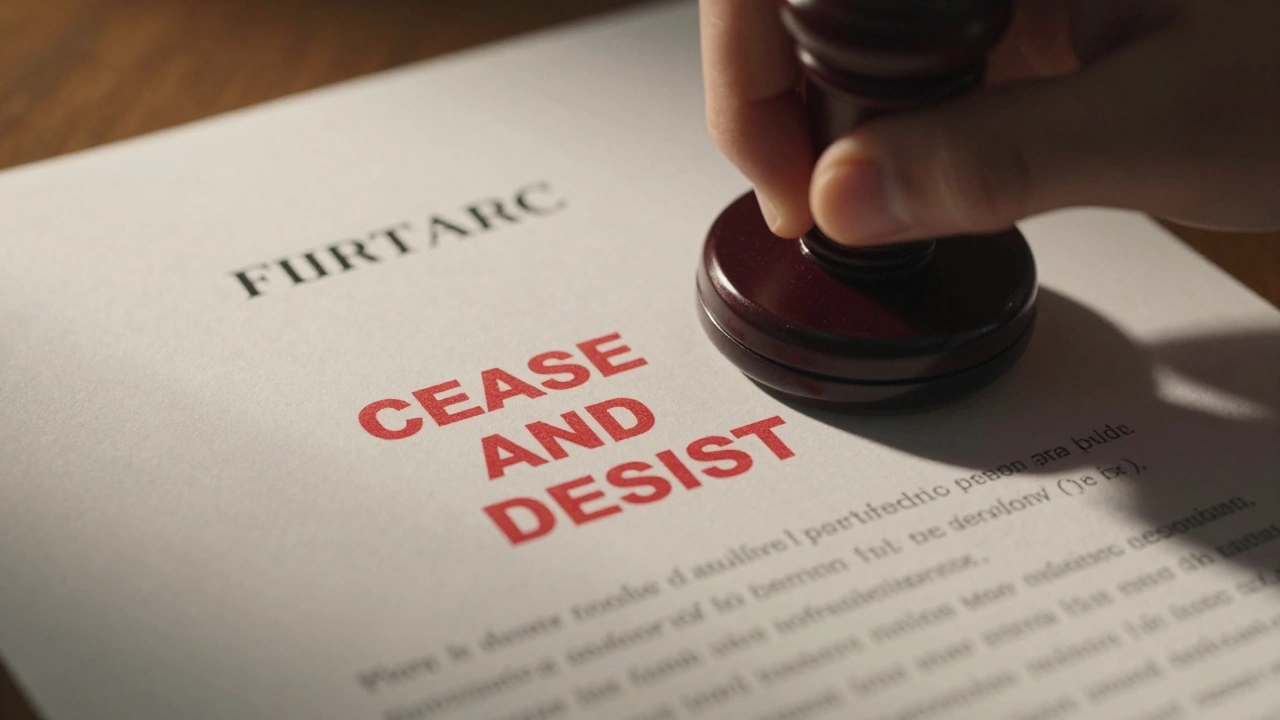
If you've filed a DMCA notice and the content is still there two weeks later, you're likely dealing with a stubborn operator. In these cases, a formal Cease and Desist is a legal letter sent by an attorney to the infringer, warning them of potential lawsuits . This adds a level of gravity that a simple email to Telegram doesn't provide. It targets the person running the channel, not just the platform hosting it.
For those dealing with systemic, large-scale theft, governmental intervention is the nuclear option. For example, in March 2026, India's Ministry of Information and Broadcasting demonstrated the power of regulatory pressure by ordering Telegram to disable over 3,100 channels within a strict three-hour window. This wasn't a series of individual DMCA claims; it was a coordinated directive under the Information Technology Act, which allows governments to bypass slow manual reviews for urgent copyright violations .
Automating Content Monitoring
You can't spend all day scrolling through Telegram to find your stolen articles. Professional newsrooms use specialized scanning tools like WebScan, which is a technical tool used to monitor multiple platforms for illegal copies of specific titles or files . These tools can alert you the moment your headline appears in a pirate channel, allowing you to strike fast.
Many organizations now outsource this to professional copyright protection services. These firms don't just find the content; they handle the entire paperwork trail. This reduces the response time from weeks to hours because they have established workflows for submitting batches of claims that meet Telegram's strict formatting requirements.
Understanding the Legal Shield: Safe Harbor
It's important to understand why Telegram doesn't just delete everything. Under Safe Harbor is a legal provision that protects intermediaries from being held liable for content posted by their users , as seen in Section 79 of India's IT Act, Telegram is viewed as a conduit, not a publisher. This means they aren't legally responsible for the theft until they are formally notified of it.
This "safe harbor" is why your documentation must be perfect. If your notice is missing a signature or a specific URL, Telegram can claim they weren't properly notified, and their legal shield remains intact. You aren't just fighting a pirate; you're navigating a legal framework designed to protect the platform.
Common Pitfalls to Avoid
One of the biggest mistakes news media makes is ignoring the "fair use" clause. If someone takes a small snippet of your news to critique it or report on it, that's often considered fair use. If you file a malicious or incorrect DMCA claim, the infringer can file a counter-notice. If that happens, you must either file a formal lawsuit or the content will be restored. Don't fire off takedowns unless you are 100% sure it's a direct copy without transformative value.
Another error is failing to keep a timestamped archive. If a case ever goes to court, "I remember posting this in January" isn't evidence. Use a digital archive or an internal CMS log that proves exactly when your piece was first published. This is the foundation of every successful copyright claim.
How long does it take for Telegram to remove copyrighted content?
For standard DMCA claims, it can take anywhere from a few days to several weeks, as these are often handled by volunteer or small internal teams. However, if a government entity issues a directive, removals can happen in as little as three hours.
Can I get a channel banned entirely for copyright theft?
Yes, but it's difficult. Telegram generally removes specific pieces of content. To get an entire channel banned, you usually need to prove a pattern of "repeat infringement." This requires multiple successful DMCA takedowns over time to show that the channel's primary purpose is piracy.
What happens if I file a wrong copyright claim?
If you misrepresent the ownership of a work, you could be liable for damages. The defendant can file a counter-notice; if you don't provide proof of a court action within the legal timeframe, the content will be reinstated, and you may face legal repercussions for perjury or bad faith.
Is a screenshot enough evidence for a takedown?
Screenshots are great for your own records, but Telegram requires the specific URL of the post. A screenshot alone doesn't give their team a way to locate and delete the specific object in their database. Always provide the direct link.
Do I need a lawyer to file a DMCA notice?
No, you can file a DMCA notice yourself. However, having a lawyer send a formal Cease and Desist letter to the channel owner is often more effective at stopping the theft permanently than just asking Telegram to remove one post.