Why Telegram Bots Are a Compliance Nightmare (And How to Fix It)
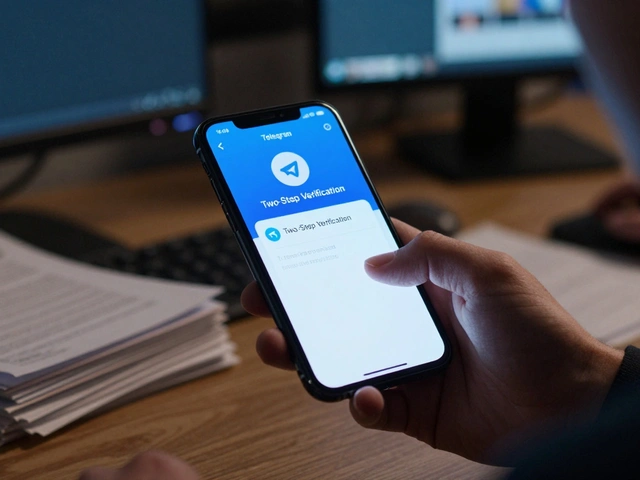
You built a Telegram bot to handle customer service, collect sign-ups, and automate marketing. It works great. Users love it. Then you get an email from a lawyer: "Your bot is violating GDPR." Suddenly, your shiny automation tool looks like a legal liability. That’s because Telegram bot compliance isn’t optional anymore-it’s mandatory. And most developers don’t even realize they’re breaking the law.
Telegram has over 900 million users. That’s a goldmine for businesses. But with great reach comes great responsibility. Under GDPR, collecting a user’s Telegram ID without clear, documented consent is a violation. Same with CCPA in California. Fines? Up to €20 million or 4% of global revenue. And it’s not just about money-your brand reputation takes a hit fast.
Here’s the truth: 78% of chatbots fail compliance not because they’re hacked, but because they never asked for consent properly. Your bot might be collecting names, emails, phone numbers, or even location data through simple interactions. If you didn’t get explicit permission, you’re already non-compliant.
What Exactly Counts as Personal Data in Telegram Bots?
It’s not just names and emails. Under GDPR, your user’s Telegram ID is personal data. Yes, that long number like 123456789 that your bot uses to identify users? That’s personally identifiable information. So is their username, if it’s linked to their real name. Even their chat history can be considered personal data if it reveals health, financial, or political preferences.
European Data Protection Board clarified this in September 2024: "Telegram user IDs are unique, persistent, and tied to individuals-therefore, they fall under GDPR." That means every time your bot stores or uses that ID to track behavior, send messages, or analyze preferences, you need a lawful basis. And for marketing? Consent is the only legal basis.
Think about it: if your bot says, "Subscribe to our newsletter?" and the user clicks "Yes," that’s not enough. You need to tell them exactly what they’re signing up for. "You’re agreeing to receive promotional emails about fitness products every Tuesday, and your Telegram ID will be stored for 2 years." No vague language. No pre-checked boxes. No hidden terms.
How to Build a Legally Compliant Consent Flow
Forget the old "Click here to continue" model. Compliant consent flows on Telegram need structure, clarity, and audit trails. Here’s how to do it right:
- Start with a clear notice - Send a message like: "We need your permission to store your Telegram ID and use it to send you updates. We won’t share it with anyone. You can delete your data anytime. Click ‘Agree’ to continue."
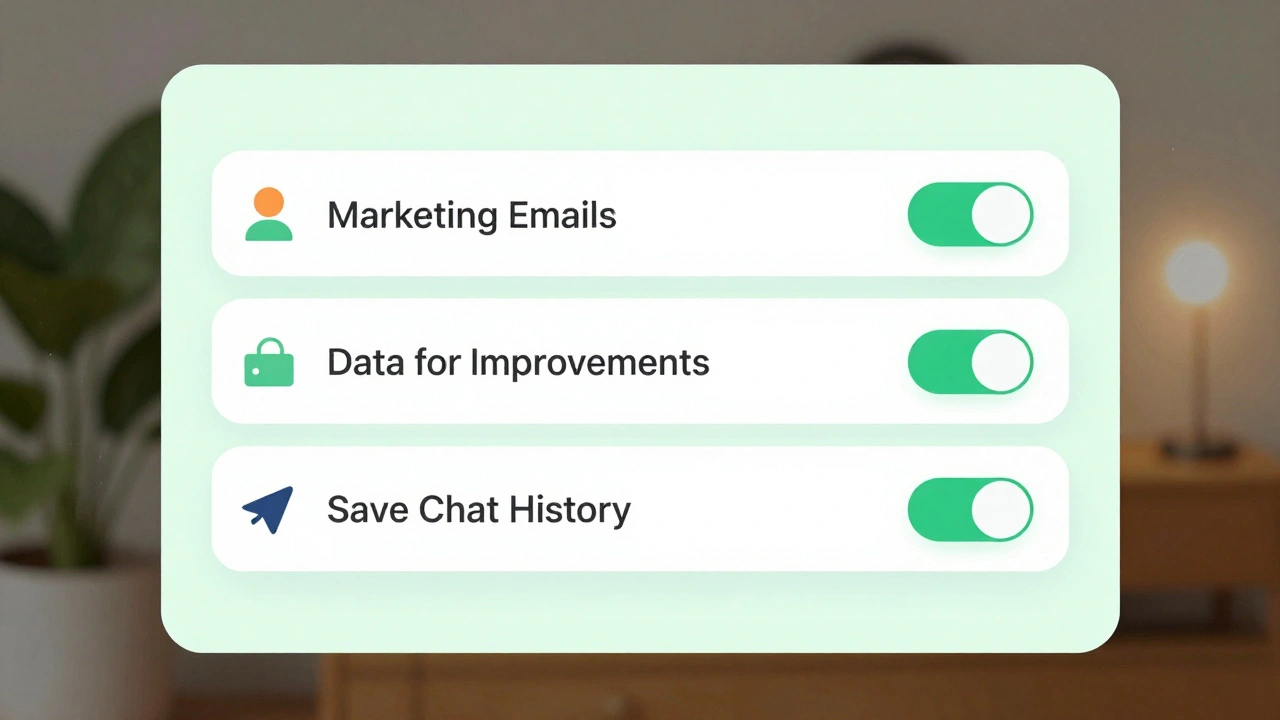
- Use granular opt-ins - Don’t bundle everything. Offer separate toggles: "Send marketing emails," "Use data for product improvements," "Save my chat history." Users should be able to pick and choose.
- Record everything - Your bot must log: the timestamp, the exact text shown to the user, the user’s choice, and the version of your consent policy. This is required by GDPR Article 7. No logs? No compliance.
- Make it easy to withdraw - Include a button in every message: "Change your preferences" or "Delete my data." If a user says "Stop," your bot must erase all their data within 24 hours and confirm it.
CRMChat.ai tested this flow with 12,000 users. Consent rates jumped 22% compared to text-only requests. Why? Because people trust transparency. When they know exactly what’s happening, they’re more likely to say yes.
Why Telegram Is Harder Than WhatsApp for Compliance
WhatsApp Business API? It’s built for compliance. End-to-end encryption is on by default. Data stays on the user’s device. WhatsApp even provides tools for data deletion and portability.
Telegram? Not so much. By default, messages are stored on Telegram’s cloud servers. That means your bot’s data is sitting on someone else’s infrastructure. And Telegram’s Terms of Service (Section 5.2) say they’re not responsible for how you handle data. You are. Full stop.
Plus, Telegram doesn’t offer native tools for data portability (GDPR Article 20). If a user asks for a copy of their data, you have to build that yourself. Same with anonymization. You can’t just delete a user’s ID-you have to scrub every trace of it from your database, logs, and backups. And you have to prove you did it.
According to LeapXpert’s 2025 report, building a compliant Telegram bot takes 37% more work than a WhatsApp bot. But here’s the upside: Telegram lets you use buttons, images, and rich media in consent flows. That means you can make the process engaging, not just legal.
Top 3 Mistakes That Get You Fined
Most violations aren’t complicated. They’re sloppy. Here are the three biggest errors developers make:
- Insecure token storage - 63% of bots store their API tokens in plain text files or public GitHub repos. If someone steals your bot token, they can access all user data. Use environment variables and secret managers. Rotate tokens every 90 days.
- No consent logging - 81% of bots don’t keep a record of who said yes, when, and what they agreed to. Without logs, you can’t prove compliance. Build a simple database table with: user_id, consent_text, timestamp, version, and status.
- Keeping data too long - 77% of bots don’t have a data retention policy. GDPR says you can’t keep data "just in case." If you collected a user’s email for a one-time newsletter signup, delete it after 30 days unless they re-consent.
These aren’t theoretical risks. The European Data Protection Board filed 1,842 chatbot-related GDPR complaints in 2025. Most were about poor consent practices.

What’s New in 2026? (And How It Changes Everything)
January 1, 2026: California’s CPRA kicks in. Now, pseudonymous data-like a Telegram ID linked to behavior patterns-is treated as personal information. That means even if you don’t know a user’s real name, if you can track their actions across messages, you need consent.
Also, the EU AI Act now applies to any Telegram bot using AI to analyze messages or predict behavior. If your bot suggests products based on chat history, you must disclose that it’s using AI-and explain how it works.
Good news: Telegram rolled out Bot Data Management Tools in December 2025. These let users request their data or delete it through a built-in interface. Early adopters say it cuts compliance setup time by 35%. But it’s not automatic-you still have to connect it to your backend.
And by Q3 2026, Telegram plans to integrate with European Digital Identity Wallets. That means users might soon be able to log in with government-issued digital IDs and auto-approve consent flows. It’s a big step toward making compliance easier.
Who Should Even Use Telegram Bots for Compliance?
Telegram bots work best in markets where they’re popular: Eastern Europe, Latin America, Southeast Asia. In those regions, users are more comfortable with bots, and local data laws are less strict than GDPR.
But if you’re targeting the EU, UK, California, or Canada? You need to be extra careful. Finance and healthcare are the hardest sectors to use Telegram bots in. 92% of healthcare bots failed HIPAA audits in 2025 because they didn’t control access tightly enough.
For retail, marketing, and e-commerce? Telegram bots can be a powerful tool-if you build them right. TechNova, a CRM agency, saw a 31% increase in opt-ins after redesigning their consent flow. Their secret? They made it feel like a conversation, not a form.
Where to Start Today
You don’t need to rebuild your bot from scratch. Start here:
- Run a data audit. List every piece of data your bot collects. Is it necessary? Can you delete it?
- Update your consent flow. Add clear language, granular options, and a "Delete My Data" button.
- Set up logging. Use a simple database or cloud service to record every consent action.
- Test it. Use the 17 test cases from the Telegraf GitHub repo: check data deletion, preference changes, opt-out, and consent version updates.
- Train your team. Developers need 40-60 hours of training to do this right. Don’t assume they know the law.
Compliance isn’t a one-time fix. Privacy laws change fast. By 2027, 85% of enterprise bots will monitor regulatory updates automatically. Start small. Build the habit. Your users-and your lawyers-will thank you.