You publish a Telegram Story is a short-form visual update that disappears after 24 hours, similar to Instagram or WhatsApp status updates but with unique distribution mechanics on the Telegram platform. The views roll in. You check your dashboard. It looks decent. But here is the uncomfortable truth: views are vanity metrics. They tell you who saw it, not who cared enough to spread it. If you want to know if your content actually has viral potential, you need to look at one specific metric: forwards.
In the ecosystem of Telegram is a cloud-based instant messaging service that supports end-to-end encryption and allows users to send messages, media files, and documents, a forward is not just a share button click. It is the core mechanism of social communication. When someone forwards your story to a private group, a public channel, or a friend’s chat, they are vouching for its value. This action extends your content’s shelf life and creates secondary distribution networks that organic reach alone cannot buy. Today, we will break down exactly how to track these forwards, calculate your true virality score, and use that data to grow your audience without spending a dime on ads.
Why Forwards Beat Views Every Time
Let’s get real about why most creators fail to grow on Telegram. They chase subscriber counts. A channel with 5,000 subscribers sounds impressive until you realize only 50 people ever interact with your posts. That is a 1% engagement rate. Now compare that to a channel with 500 subscribers where 100 people actively engage. That is a 20% engagement rate. The smaller channel is healthier, more valuable, and far more likely to go viral because its audience trusts the content.
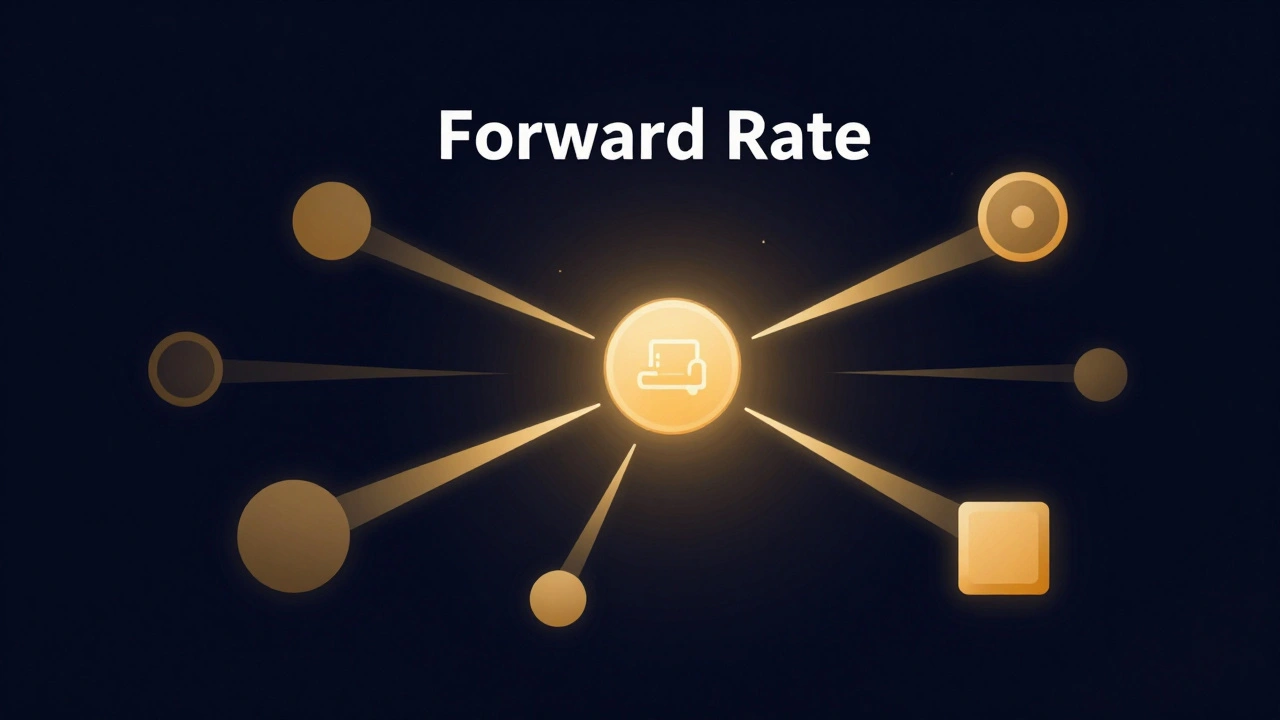
Forward Rate is a key performance indicator calculated by dividing the number of forwards by the total number of reads or views, representing the efficiency of content dissemination is the metric that exposes this difference. It measures whether your content resonates deeply enough to compel sharing behavior. Unlike likes, which require minimal effort, forwarding requires intent. The user thinks, “This is useful for my friends” or “My community needs to see this.”
- Views: Tell you if your headline worked.
- Likes: Tell you if your content was pleasant.
- Forwards: Tell you if your content provided value worth distributing.
If you optimize for views, you create clickbait. If you optimize for forwards, you create utility. And utility is what drives organic growth on Telegram in 2026.
The Technical Backbone: Tracking API Data
You cannot manage what you do not measure. While basic dashboards show you a rough estimate of shares, serious analysts need granular data. Telegram provides official technical infrastructure for this through its API. Specifically, the endpoint stats.getStoryPublicForwards is an API method that retrieves forwards of a story as messages to public chats and reposts by public channels, enabling detailed analysis of content distribution is your best friend.
This API method does more than give you a number. It returns structured data including:
- The total count of forwards.
- Individual forward details.
- Associated chats (public groups and channels).
- User information for those who reposted.
By using pagination parameters like offset and limit, developers and brand managers can pull comprehensive datasets. This allows you to see exactly where your content is going. Is it being shared in niche hobby groups? Is it hitting large news aggregators? Knowing this helps you understand your audience’s context better than any demographic survey could.
| Metric | What It Measures | Virality Indicator? | Data Source |
|---|---|---|---|
| Total Views | Reach and visibility of individual messages | No | Native Dashboard |
| Forward Rate | Efficiency of content dissemination (Forwards / Views) | Yes (High) | API / Advanced Tools |
| View Velocity | Speed of initial traction accumulation | Moderate | Time-series Analysis |
| Unique Senders | Diversity of participants generating discussion | Yes (Contextual) | Group Analytics |
Calculating Your True Forward Rate
Raw numbers lie. Saying “I got 100 forwards” means nothing if you had 100,000 views. To get an accurate picture, you must calculate the forward rate. The formula is simple:
Forward Rate = (Total Forwards ÷ Total Reads) × 100
Aim to track this rate over time. Benchmark it against competitor channels in your niche. If your rate is increasing, your content strategy is working. If it’s flatlining, you need to change your format.
But don’t stop at the percentage. Look at Time Velocity is the speed at which forwards accumulate following post publication, serving as an indicator of initial content appeal and organic reach potential. How quickly do those first 10 forwards happen? If they come within minutes, your content has high immediate appeal. If they trickle in over days, your content has long-tail utility but lacks punch. Both are valuable, but they require different optimization strategies.
Optimizing Content for the Forward Button
Not all stories are created equal when it comes to shareability. To boost your forward rate, you need to design content that makes sense outside your channel’s context. Remember, when someone forwards a message, it often appears isolated from your branding and prior message history.
Here is how to structure your stories for maximum virality:
- Crisp Takeaways: Communicate your value proposition immediately. Don’t make the viewer wait for the punchline.
- Self-Contained Value: Ensure the story stands alone. If it references previous posts, include a brief recap.
- Visual Clarity: Use high-contrast text and clean visuals. Busy backgrounds reduce readability and kill shareability.
- Emotional Triggers: Content that evokes surprise, amusement, or strong agreement is forwarded more often than neutral informational content.
Consider a cross-platform flywheel strategy. Create long-form content on your website or blog, then slice individual ideas into multiple Telegram stories optimized for forwarding. Include a canonical “start here” link in the comments or caption. This leverages Telegram forwards as distribution channels that feed audiences back to your primary content properties.

Tools to Automate Forward Tracking
Manually checking API endpoints every day is tedious. Fortunately, several automated tools integrate with Telegram to streamline this process. Platforms like CRMChat is a third-party integration platform that syncs contacts, tracks message interactions, and provides daily performance summaries including forward metrics offer folder sync features to identify which messages resonate most. These tools provide daily performance summaries that include forward metrics, allowing you to spot trends without writing code.
Advanced platforms also offer image recognition and voice update analysis. This helps you understand how content format affects forward propensity. For example, you might discover that video stories generate 30% more forwards than static images in your specific niche. Without this data, you are guessing. With it, you are engineering virality.
Beyond Vanity: Linking Forwards to Revenue
Ultimately, virality must serve business goals. A high forward rate is useless if it doesn’t translate to pipeline or revenue retention outcomes. To close the loop, track link clicks with UTM parameters. Embed unique links in your stories and monitor whether forwards drive downstream conversions.
Qualitative feedback is also crucial. Ask your sales and support teams if customers mention seeing your content via forwards. Did a forwarded story help close a deal? Did it answer a common support question? These qualitative signals contextualize your forward rate within broader business objectives.
Saves and positive reactions serve as complementary virality signals. A save indicates utility; a reaction indicates resonance. Often, these precede forwarding behavior. Monitor them together to build a complete picture of content health.
What is a good forward rate for Telegram stories?
There is no universal benchmark, as it varies by niche. However, a forward rate above 2-3% is generally considered strong for educational content, while entertainment content may see rates up to 5-10%. Focus on trending upward rather than hitting a specific number.
Can I track forwards to private chats?
No. Due to privacy protections, Telegram’s API only provides data on forwards to public chats and reposts by public channels. Private forwards are invisible to analytics tools, making public forward tracking a proxy for overall virality.
How does view velocity affect algorithmic visibility?
Telegram’s algorithm prioritizes content with high initial engagement. Rapid view velocity and early forwards signal to the platform that the content is valuable, potentially boosting its visibility in discovery feeds and search results.
Should I focus on views or forwards?
Focus on forwards. Views are passive and easily inflated by clickbait. Forwards indicate active endorsement and organic distribution, which leads to sustainable growth and higher-quality audience acquisition.
What tools are best for tracking Telegram forwards?
For advanced users, direct API access via stats.getStoryPublicForwards offers the most granular data. For marketers, integrated platforms like CRMChat provide user-friendly dashboards with automated reporting and trend analysis.