You post a link in your Telegram is a cloud-based instant messaging service that supports channels, groups, and bots. channel. You see 500 views. Then you check your website analytics and see zero new visitors. Or worse, you see 10 visitors, but they bounce immediately. What happened? Without proper attribution modeling, you are flying blind. You cannot tell if your content is working, if your audience is qualified, or if you are wasting money on ads.
This gap between platform engagement and business results is the biggest problem facing marketers in 2026. Telegram offers direct access to engaged users, unlike algorithmic feeds on other social networks. But this advantage means nothing if you cannot measure which specific messages, bots, or mini-apps drive actual sales or sign-ups. Attribution modeling solves this by connecting the click in Telegram to the conversion on your site.
The Limits of Native Telegram Analytics
Most people start with what is available out of the box. Telegram provides built-in analytics for channels, groups, and bots. These tools show you member counts, view numbers, and basic engagement rates. They are useful for understanding reach, but they fail at measuring value.
| Metric | Native Telegram Analytics | Advanced Attribution Model |
|---|---|---|
| Views/Clicks | Yes (Basic) | Yes (Detailed) |
| Source Identification | Channel Name Only | Specific Post, Bot, or Ad Set |
| Conversion Tracking | No | Yes (Sales, Sign-ups, LTV) |
| Cross-Platform Data | No | Yes (Connects to Web Analytics) |
Native data tells you that a post was seen. It does not tell you if the person who clicked bought anything. For e-commerce businesses, knowing that a product review video got 1,000 views is irrelevant if none of those viewers purchased. You need to know which content format drives revenue. If text recommendations yield a 2% click-through rate (CTR) while video reviews yield 5%, native analytics might show both as "high engagement," but only attribution modeling reveals the video's superior performance in driving intent.
Building Your First Layer: Unique Referral Links
The simplest way to start attributing traffic is through unique referral links. Telegram’s official infrastructure allows you to generate invite links that track where each user came from. This is the foundation of granular attribution.
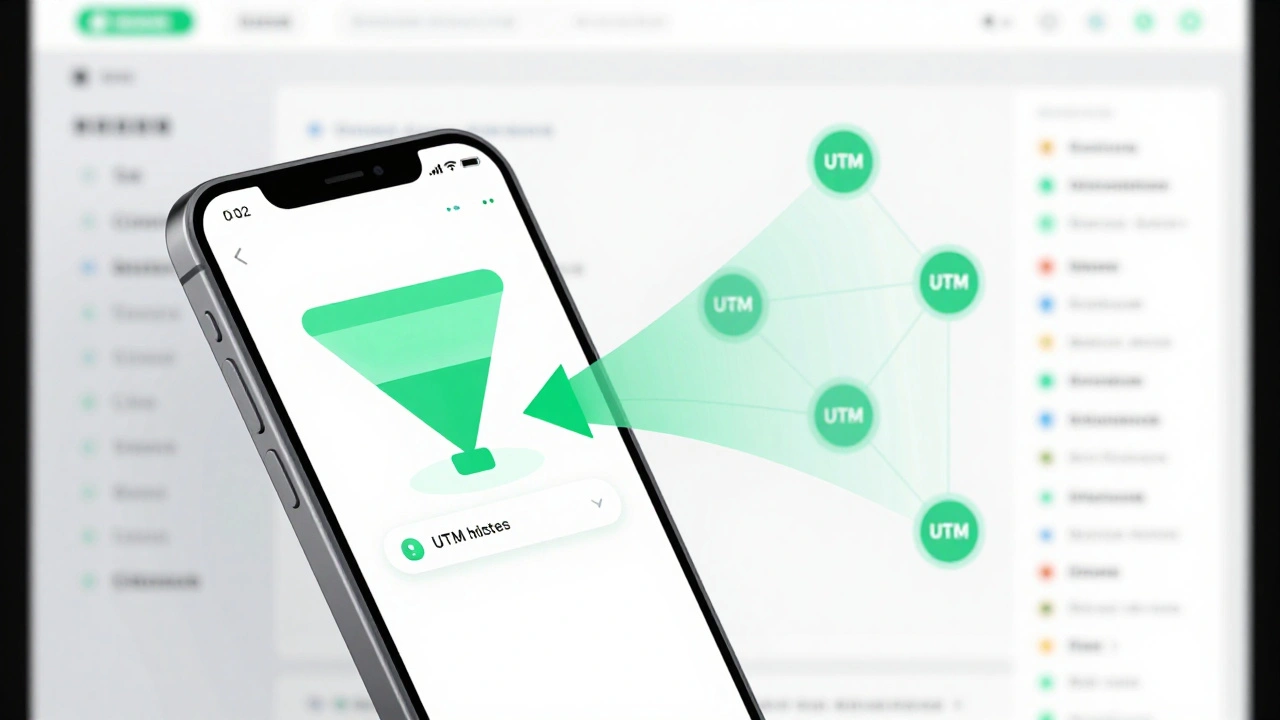
- Create Distinct Campaigns: Do not use one generic link for all posts. Create a unique UTM-tagged URL for every major campaign, influencer partnership, or content series.
- Use Shorteners with Analytics: Use a link shortener that provides click data. This helps you identify broken links or low-performing sources before they affect your main analytics dashboard.
- Map Links to Sources: Clearly document which link belongs to which Telegram group, channel, or bot interaction. This manual mapping is crucial when integrating with broader web analytics tools.
This method works well for organic growth. However, it falls short when dealing with complex funnels involving bots or mini-apps. That is where specialized measurement platforms become necessary.
Leveraging Mobile Measurement Platforms (MMPs)
As Telegram evolves, so do its monetization methods. The rise of Mini-Apps is interactive applications running within the Telegram interface that enable transactions and user interactions without leaving the app. has created a need for deeper tracking. Standard web analytics often struggle to capture events inside these embedded environments.
Solutions like Affise MMP is a mobile measurement platform offering dedicated SDKs for tracking user acquisition and conversions in Telegram Mini-Apps. address this gap. These platforms provide an SDK specifically designed for the Telegram ecosystem. They monitor the entire funnel, from the initial ad impression or message click to the final purchase inside a mini-app or on your external website.
Why does this matter? Because it allows you to calculate Return on Investment (ROI) accurately. If you spend $100 on promoting a mini-app via a specific Telegram ad set, an MMP tells you exactly how many users installed it and how much revenue they generated. Without this, you might cut a profitable ad set because it looks like it has "low engagement" based on superficial metrics.
Automation for Scalable Attribution
Manual tracking does not scale. If you manage multiple channels or run daily promotions, you need automation. Cloud-hosted Telegram Bots are automated programs that interact with users within Telegram to perform tasks such as tracking clicks, sending reminders, and processing payments. play a critical role here.
Consider a scenario where you run a tech news channel. You can set up a bot to automatically tag users who click on affiliate links. When a user converts, the bot logs the event and associates it with the specific article. This data feeds back into your strategy.
Real-world examples highlight the power of this approach. A case study involving a network called TechBytes showed significant results. They used eight cloud-managed accounts targeting different tech sub-niches. By using bots to post daily app recommendations and tracking which reviews drove installs, they reached 50,000 subscribers and generated over $3,000 monthly in ad revenue within six months. The key was not just posting; it was systematically attributing each install to a specific content piece and optimizing accordingly.
Cross-Platform Attribution Challenges
Rarely does Telegram exist in a vacuum. Most successful strategies involve an integrated approach, repurposing content across Twitter, Reddit, YouTube, and Telegram. The challenge is connecting the dots. Did the user discover your brand on YouTube and then convert via a Telegram link? Or did they find you directly on Telegram?
To solve this, you need a cross-platform attribution model. This involves:
- Unified ID Resolution: Using cookies, device IDs, or login states to recognize users across platforms.
- Time-Decay Models: Giving more credit to the touchpoint closest to the conversion. If a user saw a tweet last week but clicked a Telegram link today, the Telegram link gets more weight.
- Multi-Touch Attribution: Distributing credit across all channels involved in the journey. This prevents undervaluing top-of-funnel awareness campaigns on other social media.
Cloud-based management systems help here by aggregating data from various sources. They allow you to see the full picture, ensuring you don't accidentally cut funding for a Twitter campaign that drives high-quality traffic to your Telegram channel.

Monetization and Retention Metrics
Attribution is not just about acquiring new users; it is about retaining them. In subscription-based models, churn is the enemy. Automated payment reminder bots, hosted on cloud phones, have been shown to reduce churn by 15-20% compared to manual follow-ups.
But how do you know if the bot is working? You attribute the retention metric to the specific automation effort. If users who receive automated reminders stay longer than those who don't, you have a clear ROI on your bot development costs. Similarly, in affiliate marketing, precise attribution tracks which influencer endorsements drive the most purchases. This allows you to negotiate better rates with partners who deliver proven results.
Common Pitfalls to Avoid
Even with the right tools, mistakes happen. Here are three common errors in Telegram attribution:
- Ignoring Organic vs. Paid Split: Failing to distinguish between organic referrals and paid ads can skew your data. Always use separate tracking parameters for each source type.
- Overlooking Bot Interactions: Users interacting with bots may not always click traditional links. Ensure your MMP or analytics tool captures button presses and inline queries as conversion events.
- Short-Term Focus: Looking only at immediate sales ignores Lifetime Value (LTV). A user acquired via Telegram might have a higher LTV than one from Facebook, even if the initial CPA (Cost Per Acquisition) is higher. Adjust your models to reflect long-term value.
In 2026, the ability to identify poor-performing audiences and scale winning ad sets depends entirely on this data. Without it, you are guessing. With it, you are engineering growth.
What is the best way to track clicks from Telegram to my website?
The most effective method is using unique UTM-tagged URLs for each campaign or post. Combine this with a link shortener that provides detailed analytics. For deeper insights, especially with Mini-Apps, integrate a Mobile Measurement Platform (MMP) like Affise to track post-click behavior and conversions.
Can I use Google Analytics to track Telegram traffic?
Yes, but with limitations. Google Analytics can track traffic arriving via UTM-tagged links from Telegram. However, it cannot natively track interactions within Telegram bots or Mini-Apps unless you implement custom event tracking or use an intermediary MMP to send data to GA4.
Why is attribution important for Telegram Mini-Apps?
Mini-Apps operate within the Telegram environment, making standard web analytics ineffective. Attribution models ensure you can track user acquisition costs, conversion rates, and revenue generated specifically from these apps, allowing you to optimize ad spend and improve user experience based on real data.
How do I distinguish between organic and paid Telegram traffic?
Use distinct tracking parameters. For paid ads, include UTM parameters like `utm_source=telegram_ads`. For organic shares, use different tags or rely on Telegram's native referral links. Analyze these segments separately in your dashboard to compare performance metrics like CTR and conversion rates.
What role do bots play in attribution modeling?
Bots automate the collection of interaction data. They can log which users clicked specific buttons, subscribed to services, or made purchases. This data is crucial for attributing conversions to specific content pieces or promotional efforts, enabling scalable and accurate performance analysis.