Most newsrooms treat Telegram is a cloud-based instant messaging service that allows users to create public channels for broadcasting messages to large audiences. Also known as Telegram Messenger, it has evolved from a simple chat app into a powerhouse for real-time news distribution. But there is a massive difference between simply posting a link to a website and actually practicing Telegram storytelling. If you're just treating a channel like a Twitter feed, you're missing the chance to build a deep, immersive connection with your readers on a platform they already trust.
The goal isn't to move your website's content onto a chat app. The goal is to use the unique physics of the platform-its speed, its support for large files, and its intimacy-to tell stories that feel raw and immediate. Whether you're covering a breaking political crisis or a long-term investigative piece, the approach needs to be mobile-first and multimedia-heavy.
The Multimedia Toolkit for Telegram
To move beyond text-only updates, newsrooms need to map specific types of information to the media formats that deliver them most effectively. You wouldn't use a 10-minute video for a quick update, nor would you use a single photo to explain a complex legislative process.
- Short-form Video: Great for capturing the emotion of a protest or the energy of a live event. Keep these vertical and under 60 seconds to match mobile consumption habits.
- Audio Clips: Use these to bring the actual voices of your subjects into the story. A 30-second clip of an interview can be far more powerful than a written quote.
- Photo Carousels: Instead of one image, use groups of photos to show a sequence of events or the scale of a landscape. Focus on faces; they drive higher engagement and empathy.
- Infographics & Graphics: When the camera can't go somewhere-like inside a government database or a conceptual map-use clean, high-contrast graphics.
- Text Layers: Use text not as the main event, but as the glue. Use it to provide context, background, and the "big ideas" that connect your media elements.
Structuring Your Narrative for a Chat Interface
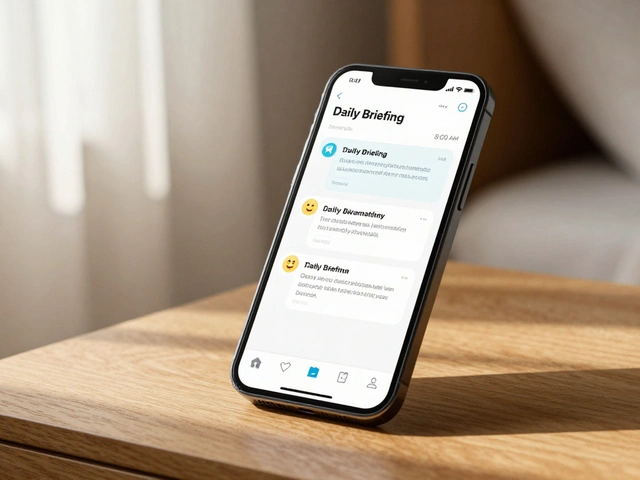
A newsroom cannot simply dump a 2,000-word feature into a channel. People read Telegram in bursts. To keep them engaged, you have to break the story into a "threaded" narrative. Think of it as a digital slideshow where the user scrolls down to uncover the next piece of the puzzle.
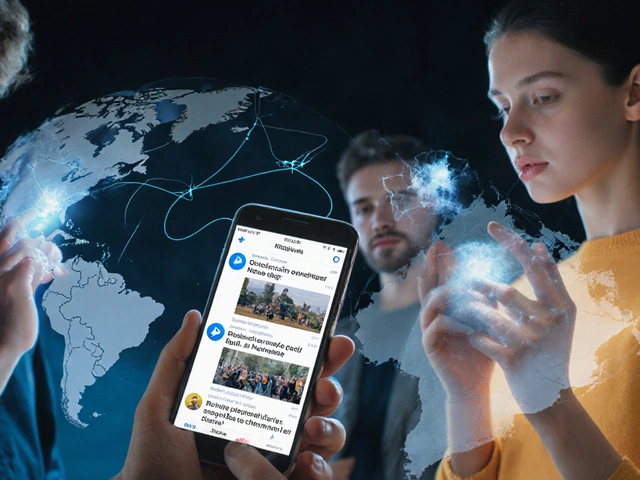
Start with a hook-a striking image or a provocative question. Then, deliver a sequence of media and text. For example, if you're reporting on urban decay, don't just write a summary. Start with a haunting photo of a derelict building, follow it with a 15-second audio clip of a resident's testimony, and then provide a short paragraph of data about property values. This creates an immersive experience that mimics how we experience the real world: a mix of sight, sound, and factual information.
| Storytelling Goal | Best Format | Why it Works |
|---|---|---|
| Emotional Impact | Vertical Video / Close-up Photos | Conveys raw human experience and urgency. |
| Explaining Process | Infographics / Diagrams | Simplifies complexity where video fails. |
| Authenticity/Trust | Raw Audio / Voice Notes | Adds a human element; feels less "produced." |
| Context & Depth | Short Text Paragraphs | Provides the necessary "who, what, why." |
Designing a Newsroom Workflow for Speed
High-quality multimedia storytelling is resource-intensive. If every post requires a full production cycle, your newsroom will burn out. The secret is implementing a Design System is a set of standardized visual guidelines and reusable components that ensure consistency across all digital touchpoints.
Instead of designing every graphic from scratch, create templates for "Breaking News," "Deep Dive," and "Quick Tip." Use collaboration tools like Notion is a productivity and note-taking web application designed to help users coordinate knowledge and tasks. or Airtable to track which media assets are ready for which part of the story. This allows reporters to focus on the journalism while the design system handles the aesthetic consistency.
Furthermore, automation is key. Use tools like Zapier is an online automation tool that connects different apps to move data between them automatically. to alert your social media team the moment a long-form story is published on the main site, so they can begin distilling it for the Telegram channel.
Maintaining Authenticity in an AI World
We are currently flooded with AI-generated summaries and polished corporate content. To stand out, newsrooms should lean into the "lo-fi" nature of Telegram. Don't be afraid of a slightly shaky video or a raw audio recording if it proves you were actually there. This is where the platform's conversational style becomes a competitive advantage.
Incorporate real-life testimonials and avoid overly scripted language. When you speak to your audience in a direct, human tone, you build a level of trust that a polished PDF or a formal website simply cannot match. Ask your audience for their input using polls-this transforms a one-way broadcast into a two-way conversation, making the reader part of the story.
Avoiding Common Multimedia Pitfalls
Even seasoned journalists make mistakes when moving to a chat-first environment. One of the biggest is the "link trap." If every single post is just a link to your website, users will eventually stop clicking. You have to give them value inside the app. Give them the core of the story via multimedia and then offer the link for "further reading."
Another mistake is ignoring the "silent viewer." A huge percentage of users watch videos with the sound off. If your video relies entirely on audio to tell the story, half your audience will miss the point. Always use captions or on-screen text to summarize the key points of a video clip.
Should newsrooms use Groups or Channels for storytelling?
For multimedia storytelling, Channels are the primary tool because they allow for a controlled, broadcast-style narrative. Groups are better for community discussion. The best approach is to have a broadcast Channel for the story and a linked Group where the audience can discuss the findings.
How do I handle long-form stories on a platform meant for short messages?
Break the story into a sequence of "chapters." Each chapter should consist of one primary media element (video, photo, or graphic) and a short accompanying text block. Use a clear numbering system or visual markers to let the reader know they are following a serialized narrative.
What is the best video format for Telegram news?
Vertical video (9:16 aspect ratio) is the gold standard. Since Telegram is predominantly used on mobile devices, vertical videos fill the screen and feel more natural. Keep them short-ideally under 60 seconds-to maintain high completion rates.
How can I measure if my multimedia storytelling is actually working?
Look beyond the view count. Analyze the "share" rate and the number of reactions. If users are forwarding a specific multimedia sequence to other chats, it's a sign that the story is resonating. Use internal polls to get direct feedback on which formats your audience prefers.
Can I use bots to enhance the storytelling experience?
Yes. Bots can be used to create interactive elements, such as custom quizzes that test a reader's knowledge of a topic or automated menus that allow readers to choose which part of a complex story they want to explore first.
Next Steps for Your Newsroom
If you're just starting, don't try to overhaul every story. Pick one feature per week and experiment with a "multimedia-first" layout. Start by auditing your existing assets-do you have raw audio from an interview? Do you have B-roll footage that didn't make the final cut for TV or web? These are the raw materials for Telegram storytelling.
For those already using the platform, the next step is to build your design system. Create a shared folder of templates and a clear workflow for how a story moves from a reporter's notes to a finished multimedia sequence. Once the process is automated, you can scale your efforts and start treating the chat interface not as a distribution channel, but as a destination for journalism.