Imagine this: a tip line bot meant to protect anonymous sources suddenly starts broadcasting their identities to the public. Or worse, an attacker gains control of your breaking news distribution channel and pushes fake stories under your organization’s name. For modern newsrooms, Telegram bots are automated programs that streamline editorial processes, manage source communications, and distribute content alerts within the Telegram ecosystem. They handle everything from routing reader tips to scheduling embargoed releases. But convenience comes with risk. If you’re using these tools without ironclad security, you aren’t just risking a technical glitch-you’re endangering sources, compromising investigations, and potentially destroying your outlet’s credibility.
The landscape has shifted dramatically by 2026. With over 900 million monthly active users, Telegram is no longer just a messaging app; it’s a critical infrastructure layer for journalism. However, the platform’s open nature means security isn’t automatic. It’s something you have to build, layer by layer. This guide cuts through the noise to show you exactly how to secure your newsroom’s bot operations, protecting sensitive data while maintaining the speed your audience expects.
Protecting the Master Key: API Token Security
Every Telegram bot runs on an API token. Think of this token as the master key to your entire system. Whoever holds this key controls the bot completely-they can read updates, send messages, delete content, and modify integrations. In a newsroom context, a compromised token doesn’t just mean spam; it means unauthorized deletion of editorial drafts or the impersonation of your brand to spread misinformation during a crisis.
The most common mistake teams make is hardcoding this token directly into their source code. When developers upload that code to GitHub or share it via email, the token goes public instantly. Security experts at BAZU Company emphasize that tokens should never live in plain text files or client-side code. Instead, store them in environment variables or use dedicated secret managers like AWS Secrets Manager, Google Secret Manager, or HashiCorp Vault. These tools encrypt the credentials and restrict access based on strict permissions.
You also need a rotation schedule. Treat your API token like a password that expires. Regenerate it every six months as a baseline. For high-stakes investigative workflows where source protection is paramount, rotate every three months. If you suspect exposure-even slightly-immediately regenerate the token through BotFather, Telegram’s official bot management interface. If the breach is severe, delete the bot entirely and start fresh. There is no middle ground when it comes to credential compromise.
Hardening Webhooks Against Injection Attacks
Webhooks allow Telegram servers to push updates directly to your backend infrastructure. This is faster than polling, but it opens a direct line from the internet to your internal systems. Without proper hardening, this endpoint becomes a prime target for attackers trying to inject false news alerts or crash your distribution pipeline.
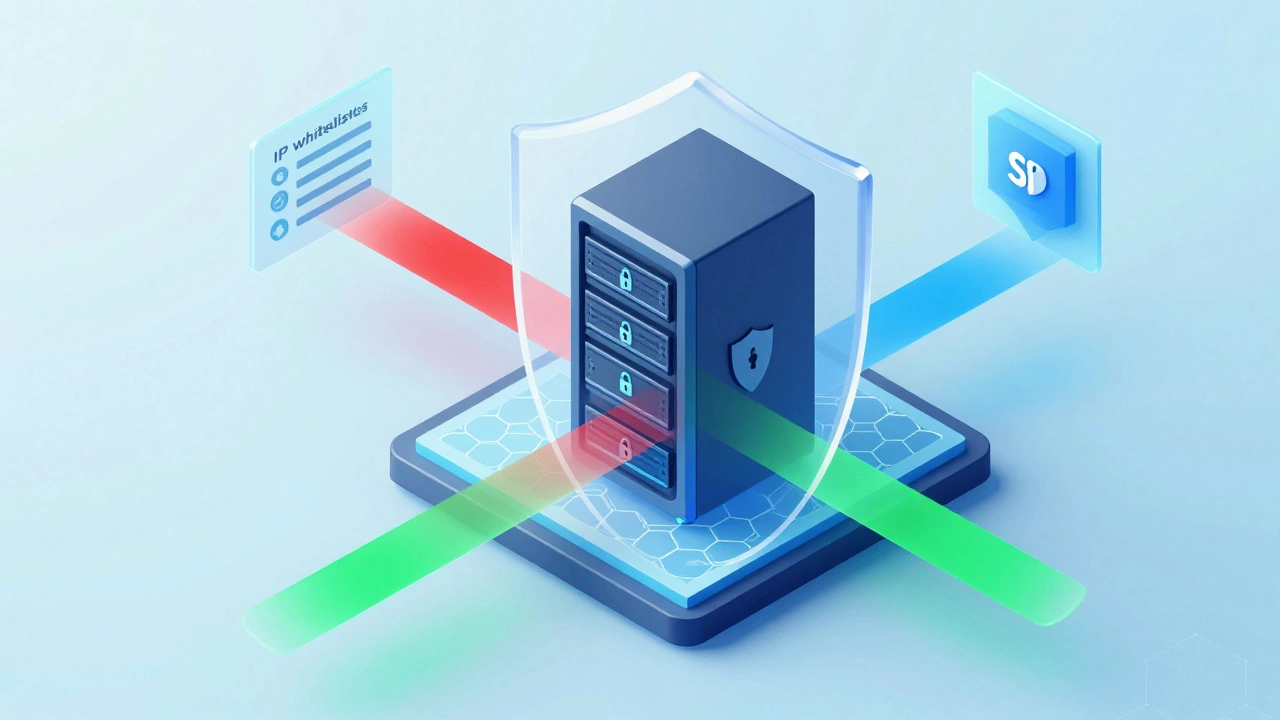
First, always use HTTPS with valid SSL/TLS certificates. Plain HTTP connections transmit data in clear text, making them easy to intercept. Second, randomize your webhook URLs. Predictable endpoints are easy for bots to guess and exploit. Third, implement IP whitelisting. Telegram sends updates from a specific range of IP addresses. According to Nordic APIs research, legitimate requests originate from the range 149.154.167.197 to 149.154.167.233. Your server should reject any request coming from outside this block immediately.
Here is a simple logic flow for your server:
- Check Protocol: Is the connection HTTPS? If not, drop it.
- Verify Source IP: Does the IP match Telegram’s known ranges? If not, log the attempt and reject.
- HMAC Verification: Use cryptographic signatures to confirm the request truly came from Telegram and wasn’t spoofed by a malicious actor.
Using an NGINX reverse proxy adds another layer of defense, filtering unwanted traffic before it ever reaches your application logic. This setup ensures that only verified, encrypted updates enter your newsroom’s workflow system.
| Feature | Polling | Webhooks |
|---|---|---|
| Latency | Higher (delays in receiving updates) | Low (instant delivery) |
| Security Complexity | Lower (no exposed endpoint) | Higher (requires IP whitelisting, SSL, HMAC) |
| Best For | Small-scale, low-frequency tasks | High-volume news distribution, real-time alerts |
| Risk Profile | Minimal external attack surface | Vulnerable to injection if misconfigured |
Input Validation: Stopping Malicious Content
Your bot interacts with the public-or at least, semi-public sources. Every message, image, or file they send is unstructured data that could harbor malware, SQL injection attempts, or cross-site scripting (XSS) payloads. In a newsroom, input validation isn’t just about keeping your server safe; it’s about preventing attackers from hijacking your communication channels to harass journalists or leak confidential information.
Sanitize all user inputs rigorously. Strip HTML tags and block scripts before processing any text. Validate file sizes and types before accepting uploads. A journalist submitting a photo shouldn’t be able to upload a 5GB executable disguised as an image. Implement rate-limiting to prevent flood attacks. If a single user sends 100 messages in one second, throttle them. This prevents distributed denial-of-service (DDoS) attacks that could disable your news distribution during a critical breaking news cycle.
For workflows involving source tips, consider implementing end-to-end encryption layers beyond Telegram’s default MTProto 2.0. While Telegram’s cloud infrastructure is SOC 2 certified and GDPR compliant, adding client-side encryption for highly sensitive metadata ensures that even if your database is breached, the raw source identifiers remain unreadable.
Access Control and Role-Based Permissions
As your bot grows, more people will interact with it. Journalists submit drafts, editors approve them, and administrators manage settings. Giving everyone full admin access is a recipe for disaster. Implement the principle of least privilege: grant each user only the minimum access required for their role.
Maintain a documented list of authorized administrators identified by their unique Telegram User IDs. Restrict sensitive commands like `/reset`, `/ban`, or `/delete_all` to these admins only. Require multi-factor authentication (MFA) for any administrative actions taken through connected dashboards or management interfaces. Log every administrative action with timestamps and actor identification. This audit trail is crucial for accountability, especially when investigating internal leaks or compliance issues.
Structure your permission tiers clearly:
- Journalists: Can submit story drafts and update status flags.
- Editors: Can approve content for distribution and flag errors.
- Administrators: Can modify bot configuration, manage user permissions, and view logs.
- Automated Systems: Execute scheduled distributions without human intervention, but cannot change configuration settings.
This separation ensures that a compromised journalist account cannot wipe out the entire editorial calendar or expose source lists.

Data Encryption and Storage Protocols
If an attacker bypasses your perimeter defenses, encryption is your last line of defense. Encrypt data at rest and in transit. Use industry-standard AES-256 encryption for databases storing user data, message content, and user IDs. Ensure all network communications use HTTPS/TLS protocols.
Be particularly careful with log files. Developers often log detailed message content for debugging purposes. In a newsroom, these logs might contain draft headlines, source names, or sensitive investigative details. Purge these logs regularly or encrypt them before storage. CodeWords research highlights that compliance-critical industries route data through encryption layers and store nothing locally whenever possible. Adopt this mindset for investigative workflows. If a source’s identity is stored in a local database, that database becomes a target. Minimize local storage of sensitive PII (Personally Identifiable Information) wherever feasible.
Maintenance and Ongoing Vigilance
Security isn’t a one-time setup; it’s a continuous process. Keep your dependencies updated. Vulnerabilities in bot framework libraries or encryption modules are discovered regularly. Subscribe to security advisories for the technologies you use. Perform regular security audits of your bot code and configurations. Look for hardcoded secrets, outdated libraries, and overly permissive access rules.
For newsrooms without dedicated technical staff, consider using low-code platforms like Make.com that offer pre-built Telegram integrations with built-in security configurations. These platforms handle much of the heavy lifting regarding token management and webhook security, allowing your team to focus on journalism rather than infrastructure maintenance. However, even with these tools, you must understand the underlying security principles to configure them correctly.
What happens if my Telegram bot API token is leaked?
If your API token is leaked, anyone can control your bot. They can send messages, read updates, and delete content. You must immediately regenerate the token through BotFather. If the breach is severe, delete the bot entirely and create a new one to ensure complete security.
Why is IP whitelisting important for webhooks?
IP whitelisting ensures that only requests from Telegram’s official servers reach your bot. This prevents attackers from spoofing requests or injecting false updates into your system. Telegram uses specific IP ranges, such as 149.154.167.197 to 149.154.167.233, which you should validate against.
How often should I rotate my Telegram bot token?
Rotate your token at least every six months. For high-security newsroom workflows involving sensitive source information or investigative journalism, rotate every three months to minimize the window of opportunity for attackers.
Can I use Telegram bots for anonymous source tips securely?
Yes, but you must implement additional security measures. Use end-to-end encryption for sensitive data, store minimal PII locally, and enforce strict access controls. Ensure your bot validates inputs to prevent injection attacks that could expose source identities.
What is the difference between polling and webhooks for news bots?
Polling involves your bot checking for updates periodically, which introduces latency. Webhooks allow Telegram to push updates instantly to your server. Webhooks are faster and better for real-time news distribution but require stricter security configurations like IP whitelisting and SSL certificates.