Hyperlocal Journalism on Telegram: How Communities Are Rewriting Local News
When you think of hyperlocal journalism, news reporting focused on a very specific geographic area, like a neighborhood, town, or district. Also known as community journalism, it’s no longer just about the local paper or a radio bulletin. It’s now happening on Telegram, a messaging app that lets anyone create a one-way broadcast channel for real-time updates. Unlike big media outlets that cover cities or countries, hyperlocal journalism on Telegram answers questions like: Who’s fixing the pothole on Maple Street? Is the school closing early today? Did the corner store get robbed? These aren’t headlines—they’re daily life.
What makes Telegram perfect for this? No algorithms. No likes. No viral pressure. Just direct, unfiltered delivery. A mom in Brooklyn starts a channel to warn neighbors about package thefts. A student in Lagos shares real-time updates during a power outage. A retired teacher in Mexico City verifies rumors about water shortages using photos and voice notes. These aren’t professional reporters—they’re people who live there. And they’re building trust faster than any newsroom ever could. This is citizen journalism, when ordinary people gather, verify, and share news without institutional backing. It’s not perfect. Misinformation spreads too. But when official sources are slow or silent, Telegram fills the gap.
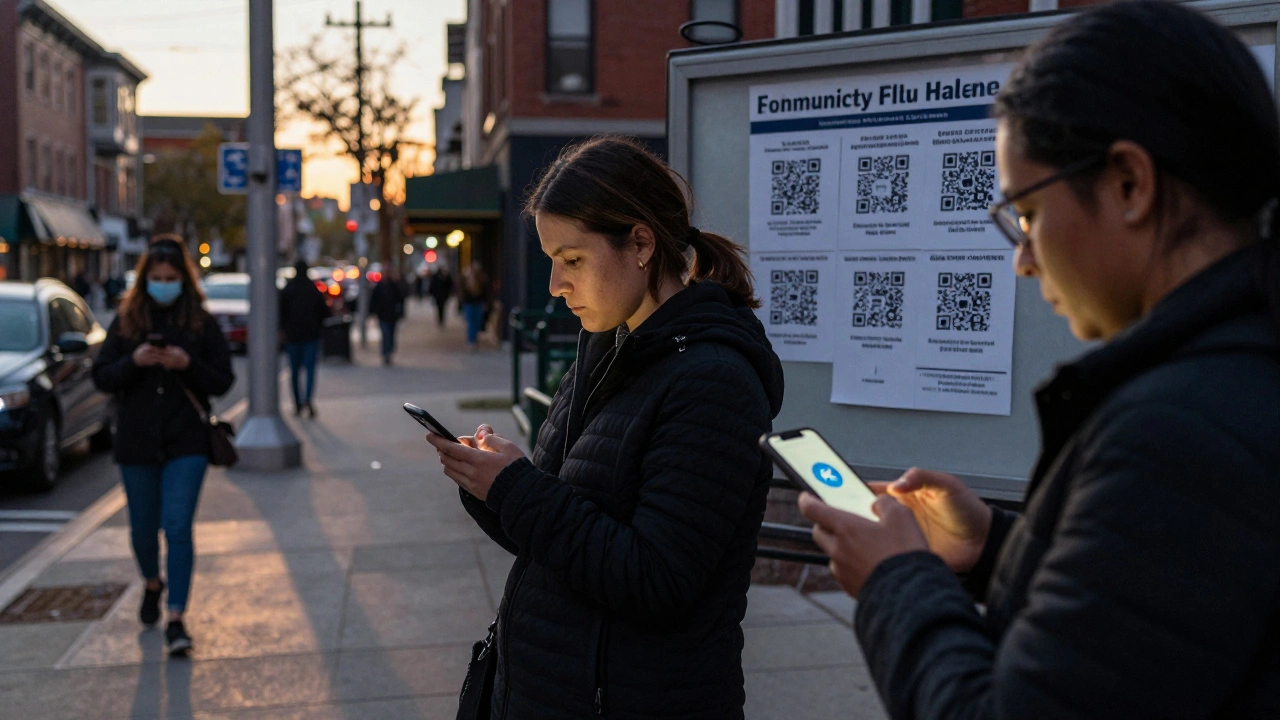
It’s not just about breaking news. It’s about consistency. A channel in Jakarta posts daily school bus delays. One in Nairobi tracks garbage pickup schedules. Another in Chicago shares local council meeting summaries. These aren’t flashy stories—they’re the quiet backbone of community life. And they’re growing because people are tired of generic national news that ignores their block. local news distribution, how information moves within a small geographic area is shifting from print and TV to channels with 500 or 5,000 subscribers who all live within walking distance. The tools are simple: QR codes on bulletin boards, bot alerts for emergencies, and voice notes from residents. No website needed. No ad revenue required. Just real-time, real-place reporting.
What you’ll find below isn’t theory. It’s what’s actually working. From how citizen journalists survive crackdowns to how small channels use Telegram’s Suggested Posts feature to partner with nearby groups, these posts show the mechanics behind the movement. You’ll see how to build a style guide for a neighborhood channel, how to track subscriber growth without analytics tools, and why QR codes on flyers are bringing in more new members than any social media ad. This isn’t about scaling to millions. It’s about staying relevant to the 200 people who live on your street—and making sure they never miss a thing.
- 7/Dec/2025
- by Greg Bush
-
 Telegram hyperlocal news
local news on Telegram
hyperlocal journalism
Telegram news channel
city news platform
Telegram hyperlocal news
local news on Telegram
hyperlocal journalism
Telegram news channel
city news platform
How to Build a Hyperlocal News Presence on Telegram for City and Regional Coverage
Learn how to build a hyperlocal news channel on Telegram that delivers real-time updates, builds community trust, and survives when traditional media fails. No fluff. Just what works.
ReadLatest Posts