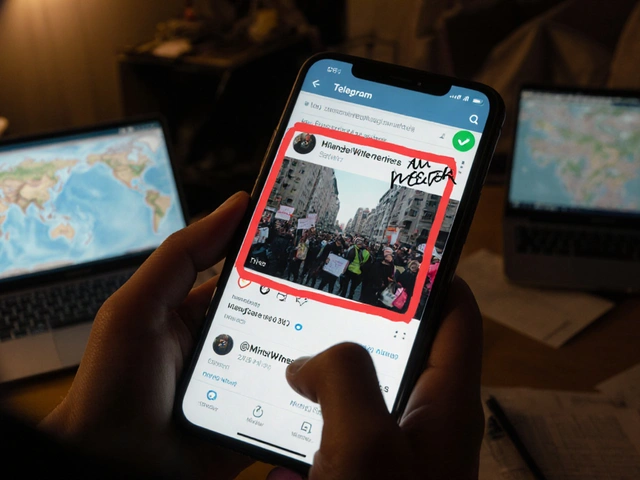
NGO Communication Risks on Telegram
When NGO communication risks, the dangers faced by nonprofit organizations when using digital platforms like Telegram to coordinate, share sensitive information, or mobilize communities. Also known as digital advocacy vulnerabilities, it happens when secure messaging tools become targets for surveillance, legal pressure, or data leaks. Telegram’s reputation for privacy makes it a go-to for activists and NGOs—but that trust is crumbling. In 2024, Telegram started sharing user data with law enforcement under valid legal requests, a sharp pivot from its old stance. This isn’t just a policy tweak. It’s a game-changer for anyone relying on Telegram to protect sources, organize protests, or report abuses in authoritarian states.
That shift directly affects Telegram law enforcement, the growing cooperation between Telegram and government agencies to hand over user data when legally compelled. Newsrooms and human rights groups that once felt safe now scramble to reevaluate their channels. Some have lost subscribers overnight. Others moved entire operations to Signal or Matrix. Meanwhile, Telegram privacy, the platform’s mix of public broadcasting and limited end-to-end encryption that creates a false sense of security for many users. isn’t what it seems. Group chats and public channels aren’t encrypted. Even private channels can be exposed through IP logging, device fingerprinting, or third-party bots. And if your channel gets flagged for "suspicious activity," Telegram may freeze it without warning.
Then there’s Telegram compliance, the legal obligations NGOs must meet when operating on Telegram under EU, US, or other regional data laws. The GDPR doesn’t care if your channel is based in Ukraine or Nigeria—if you collect data from EU citizens, you’re liable. That includes subscriber lists, message logs, and even metadata from bot interactions. Many NGOs don’t realize they’re now acting as data controllers under the law. And if you’re using Telegram Stars or bots for donations? That’s financial data. That’s risk.
It’s not all doom. The tools are still there—encrypted chats, anonymous accounts, self-destructing messages—but they’re buried under layers of confusion. Most NGOs still use public channels for outreach, unaware that anyone can join, screenshot, or report them. They don’t know how to set up a secure bot for intake, or how to use TON blockchain tokens to verify donors without exposing identities. They’re not alone. Journalists, citizen reporters, and even small humanitarian teams face the same blind spots.
This collection of posts cuts through the noise. You’ll find real strategies from teams who’ve survived crackdowns, redesigned their comms after losing access, and built systems that work even when Telegram turns hostile. You’ll learn how to spot when your channel is being monitored, how to respond to law enforcement requests without breaking trust, and how to use Telegram’s own features—not just avoid them—to stay ahead. No theory. No fluff. Just what works when the stakes are real.

- 7/Dec/2025
- by Greg Bush
-
 Telegram security
NGO communication risks
government Telegram use
secure messaging
Telegram surveillance
Telegram security
NGO communication risks
government Telegram use
secure messaging
Telegram surveillance
Risk Assessment for Government and NGO News Use on Telegram
Telegram is widely used by governments and NGOs for news and emergency comms, but its security flaws and ties to state surveillance make it dangerously unsuitable for sensitive communication. Here's what you need to know.
ReadLatest Posts