Telegram isn't just a messaging app anymore. It's become one of the most reliable platforms for real-time news, and millions of people use it to stay informed without algorithmic noise. Unlike Twitter or Facebook, where posts get buried or manipulated by engagement bots, Telegram channels deliver news exactly as it’s published-no resharing, no trending hooks, no fake views. The key to staying well-informed? Building your own credible curated feed from trusted sources.
Why Telegram Works for News
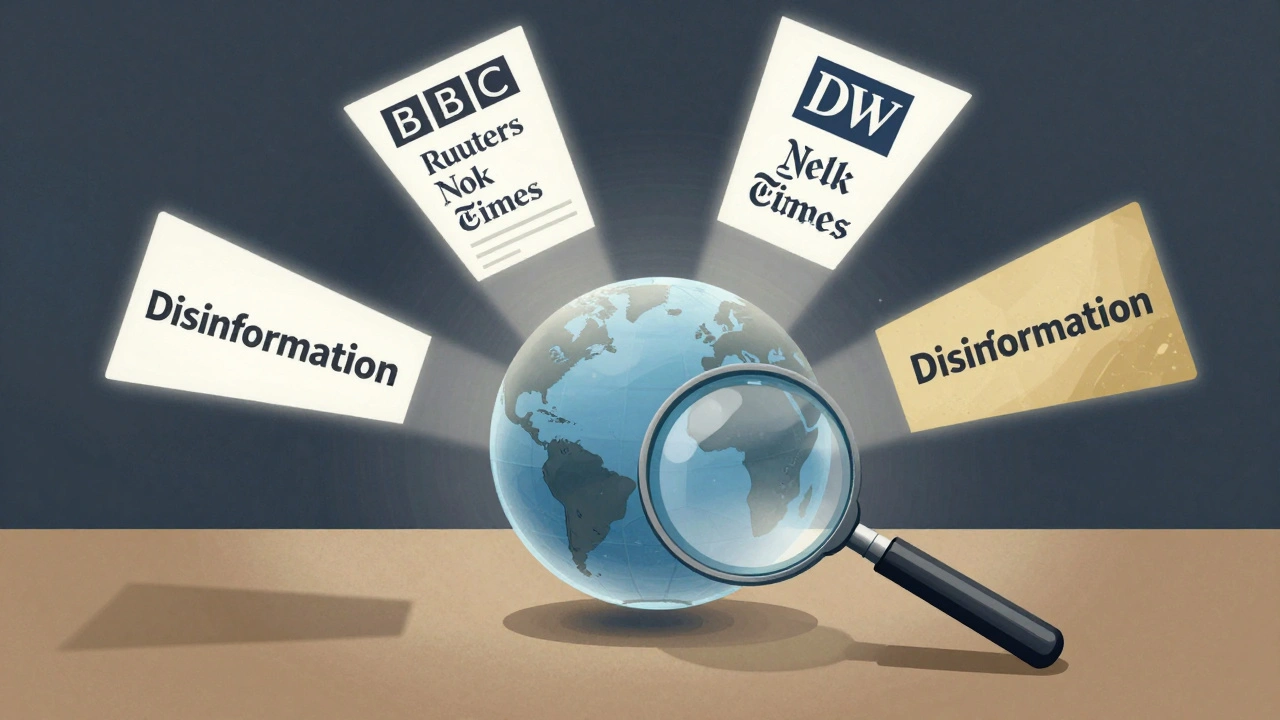
Telegram’s design makes it uniquely suited for news distribution. Each channel operates like a one-way broadcast: publishers send messages, and subscribers receive them. There’s no algorithm deciding what you see. No engagement metrics pushing sensationalism. No comments section turning every headline into a brawl. This simplicity is why major outlets like the New York Times, an American daily newspaper and digital news organization that has operated since 1851 and maintains an official Telegram channel, BBC, the British public broadcaster with global reach and a verified Telegram presence, Reuters, a global news agency known for factual, non-sensational reporting, and CNN, a 24-hour news network with a direct Telegram feed for breaking updates all maintain official channels here.Between 2017 and 2026, researchers analyzed over 2,000 messages from nine major international outlets. What they found? When breaking news happens-like a major geopolitical event in early January 2026-these outlets don’t copy each other’s wording. They report independently. One might focus on diplomatic reactions, another on economic fallout, a third on ground-level eyewitness accounts. That diversity isn’t a flaw-it’s proof of authenticity.
How to Find Real News Channels
Telegram doesn’t have a “verified badge” like other platforms. You can’t just look for a blue checkmark. Instead, you have to do a little legwork. Here’s how:- Open Telegram and tap the magnifying glass at the top.
- Type in terms like “world news”, “tech updates”, or “financial news”.
- Use the Channels filter to hide private groups and chats.
- Check the channel’s description. Official outlets always link to their website-usually a .com or .org domain.
- Compare the channel’s name and bio to the outlet’s official social media profiles. If they match, it’s real.
For example, searching “Reuters” will show multiple channels. The real one says “Official Reuters News Agency” and links to reuters.com. The others? They’re fan pages, bots, or scams. Don’t assume-verify.
Build a Balanced Feed
Following just one source is like watching only one TV channel. You get a narrow view. To build a credible feed, mix perspectives:- US-focused: New York Times, Washington Post, AP News
- International: BBC, Al Jazeera, DW News
- Business: Reuters, Bloomberg, Financial Times
- Tech: The Verge, TechCrunch, Wired
- Regional: Local outlets like The Guardian (UK), Le Monde (France), or Yonhap (South Korea)
You can follow dozens of channels without limits. Telegram lets you organize them into folders. Create one called “Global News,” another “Tech & Business,” and a third “Local Updates.” Tap and hold any channel to move it into a folder. This keeps your feed clean and your attention focused.
Manage Notifications Wisely
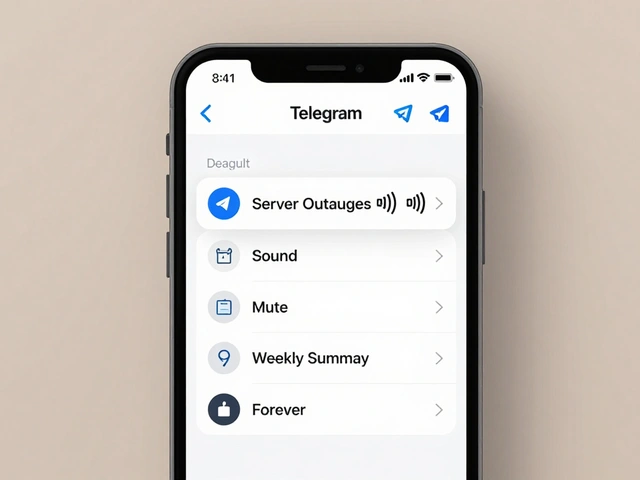
Not every channel needs to buzz your phone. If you follow 15 news sources, you’ll get flooded. Instead:- Turn off notifications for all channels by default.
- Only enable alerts for channels you consider critical-like breaking news from Reuters or BBC.
- Use the “Mute” option for channels that post too often or aren’t urgent.
- Check your feed once or twice a day instead of reacting to every alert.
This isn’t just about reducing noise. It’s about restoring control. You’re not a passive consumer-you’re the editor of your own newsroom.
Spotting the Difference: Real News vs. Manipulated Content
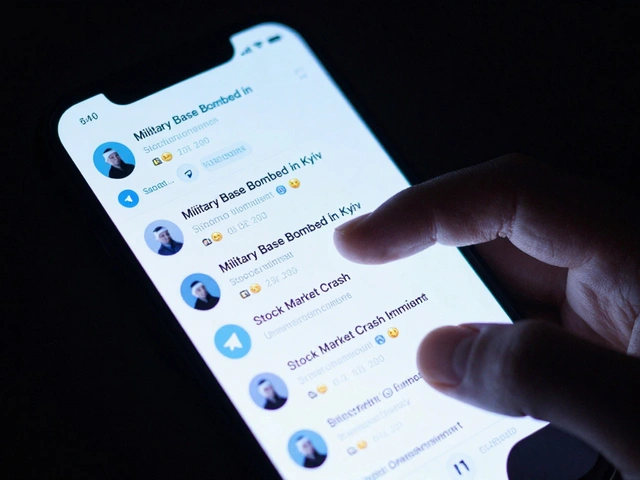
Here’s the scary part: bad actors use Telegram too. State-backed propaganda, misinformation campaigns, and partisan bots all operate here. But there’s a clear pattern.Research shows coordinated disinformation usually looks like this:
- Identical or near-identical text posted across dozens of channels at the same time.
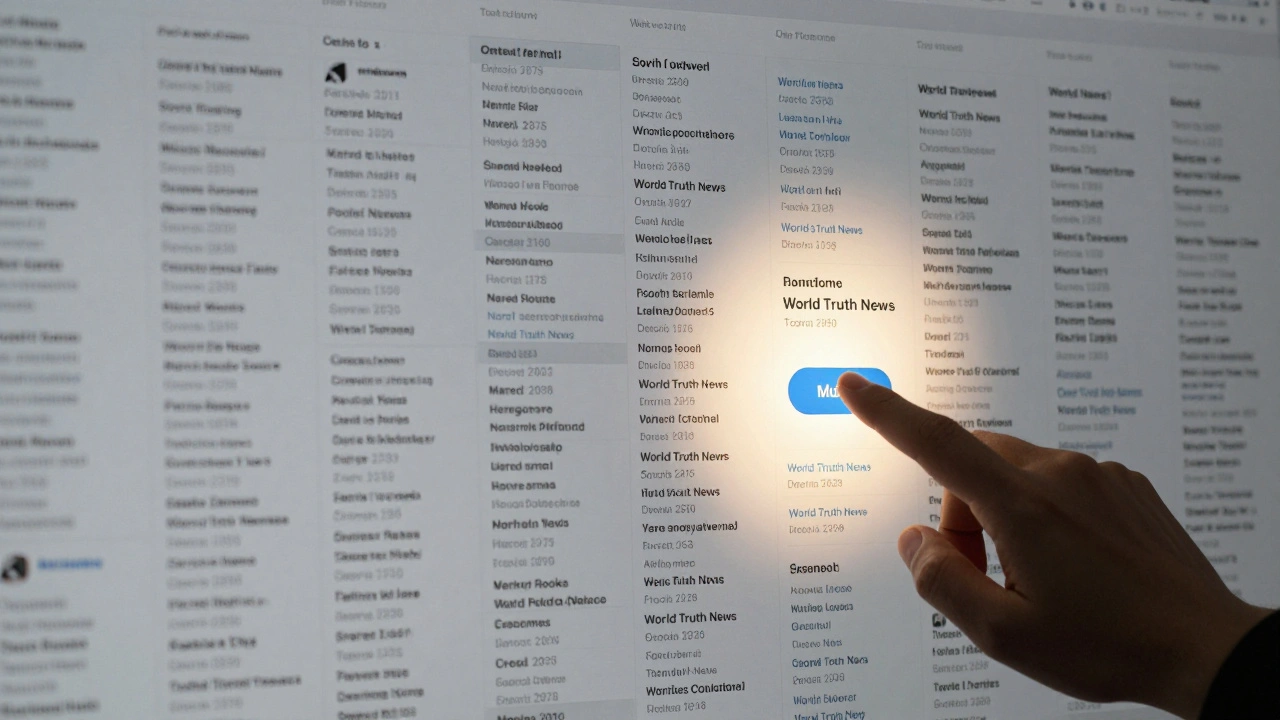
- Channels with vague names like “World Truth News” or “Free Press Daily” and no website link.
- Heavy use of emotional language, conspiracy framing, or “they don’t want you to know” hooks.
Real news outlets? They don’t do that. They vary their headlines, focus on different angles, and cite sources. Even during major events-like the Ukraine war or the 2026 Middle East crisis-their messages differ in tone, structure, and detail. That’s not incompetence. It’s professionalism.
Telegram’s architecture makes this easy to spot. Because messages are timestamped and archived, you can compare how different outlets covered the same event. If one outlet reported a speech at 10:15 a.m., another at 10:20 a.m., and a third at 10:35 a.m.-that’s normal. If all three posted the exact same paragraph at 10:17 a.m.? That’s a red flag.
The Bigger Picture: Telegram’s Growing Influence
In February 2026, Russian authorities announced plans to block Telegram entirely by April-except for military use. Why? Because Telegram is too effective at spreading information. It’s not just a tool for civilians. It’s a lifeline for journalists, activists, and independent media in authoritarian states.Meanwhile, Telegram Ads launched major upgrades in 2026. Now, advertisers can run banner and video campaigns with precise targeting. This isn’t just about selling sneakers-it’s about funding credible journalism. Some independent news outlets now use Telegram Ads to support their channels, reducing reliance on shady sponsors or clickbait.
And it’s working. Telegram’s public, open, and unfiltered nature makes it the most transparent news platform on the planet. No algorithm hides what matters. No company profits from outrage. You get the facts-raw, direct, and unedited.
Final Checklist: Your Credible Feed Setup
Want to build a feed you can trust? Use this simple checklist:- Start with 3-5 major outlets: BBC, Reuters, NYT, one regional source.
- Verify each channel against its official website.
- Organize channels into folders by topic.
- Mute notifications for all but the most critical sources.
- Check for consistency: Do real outlets report differently? If yes, you’re on track.
- Avoid channels with no website link, vague names, or emotional triggers.
- Review your feed every 30 days. Drop sources that post too much filler.
This isn’t about consuming more news. It’s about consuming better news. Telegram gives you the tools. You just need to use them wisely.
How do I know if a Telegram news channel is real?
Check the channel’s description for a link to the outlet’s official website-usually a .com, .org, or .gov domain. Compare the channel name and bio to the outlet’s verified social media profiles. Real channels are consistent across platforms. If the channel has no website, no clear affiliation, or uses clickbait language, avoid it.
Can I follow too many news channels on Telegram?
There’s no limit to how many channels you can follow. But following too many can overwhelm you. Start with 5-7 trusted sources. Use Telegram’s folder feature to organize them by topic (e.g., Global News, Tech, Finance). Mute notifications for non-urgent channels and check your feed once or twice a day instead of reacting to every alert.
Do Telegram news channels have ads?
Yes, but not the kind you think. In 2026, Telegram launched an official advertising platform with banner and video ads. These appear in public channels and are clearly labeled as “Sponsored.” Reputable news channels rarely use them. If you see a news channel with constant paid promotions, check its credibility. Legitimate outlets like Reuters or BBC don’t rely on ads to fund their feeds.
Is Telegram safe from censorship?
It depends on where you live. In February 2026, Russia announced plans to block Telegram entirely by April-except for military use. That’s because the platform is too effective at spreading uncensored information. In most countries, Telegram remains accessible. Its decentralized structure makes it hard to shut down. If you’re in a region with strict media controls, Telegram may be one of the few reliable sources left.
What’s the difference between a Telegram channel and a group?
A channel is a one-way broadcast: only admins post, and subscribers receive updates. A group is two-way: anyone can message, and conversations happen. For news, always use channels. Groups are for discussions, rumors, and memes. Channels are for verified reporting. Stick to channels for credible information.