By 2026, if you’re under 30 and looking for news, you’re probably not opening a news website or scrolling through Twitter. You’re opening TikTok. It’s not even close. While Telegram quietly sits in the background as a messaging app with encrypted channels, TikTok has become the default news source for millions of young people. The difference isn’t just in usage-it’s in how news reaches them.
TikTok Isn’t Just for Dance Videos Anymore
In 2025, 63% of Gen Z users-ages 13 to 24-said they used TikTok to keep up with current events. That’s more than Facebook, more than Instagram, and way ahead of Telegram. The platform doesn’t just host news; it reshapes it. Breaking stories appear as 15-second clips from creators who explain complex topics in plain language. A protest in Ukraine? A viral clip from a journalist on the ground. A new AI law? A creator breaks it down with memes and visuals. It’s not polished journalism. It’s raw, fast, and designed for attention spans that barely last a minute.
And the numbers back it up. Gen Z users spend an average of 89 minutes a day on TikTok. That’s almost an hour and a half. Compare that to the 8 minutes a day the average Telegram user spends on the app. One is a daily habit. The other is a tool for quick messages.
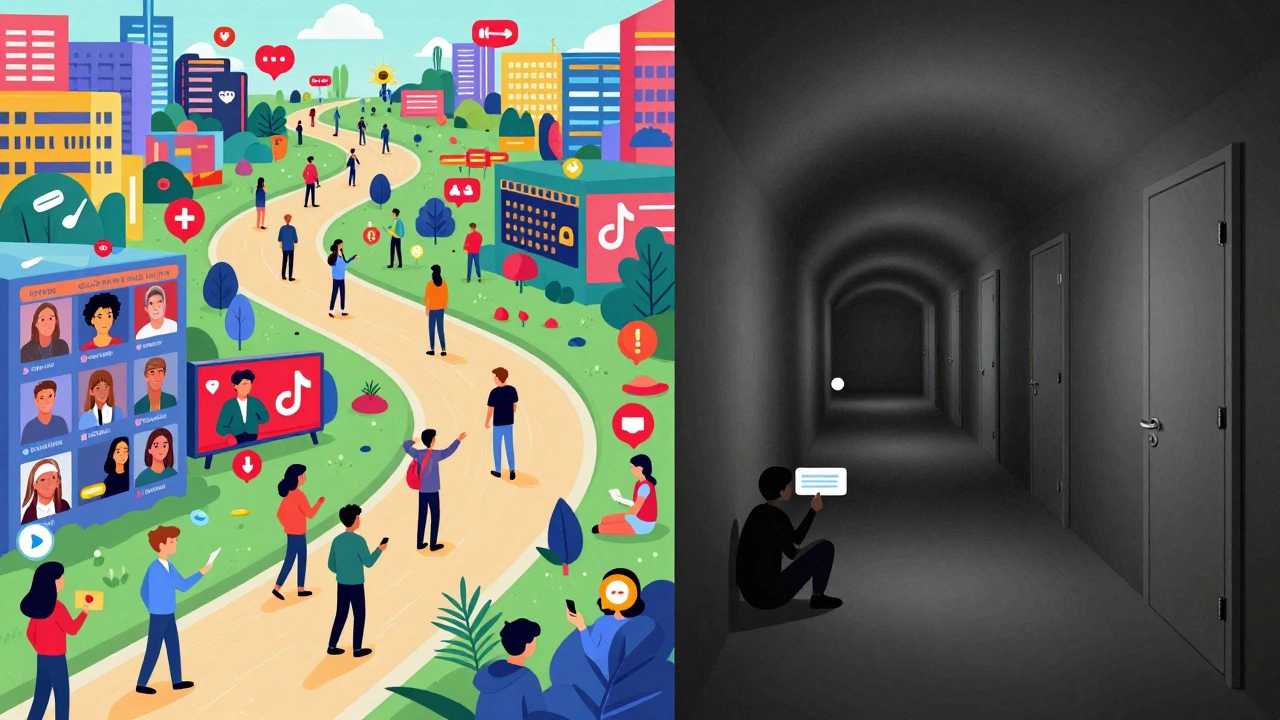
TikTok’s algorithm doesn’t wait for you to search. It pushes news into your feed before you even know you need it. If you like cat videos, you’ll still see a clip about animal rights legislation. If you watch cooking tutorials, you’ll get a 30-second update on food prices. The line between entertainment and news has vanished on this platform. That’s why 73% of Gen Z users engage with news content on TikTok-liking, sharing, or commenting on it. That engagement rate is higher than any other social platform.
Telegram’s Quiet Strength Isn’t in News
Telegram has 1.36 billion monthly users. That’s a lot. But most of them aren’t using it to find out what’s happening in the world. They’re using it to talk to friends, join crypto groups, or get updates from niche communities. Unlike TikTok, Telegram doesn’t have a For You Page. There’s no algorithm pushing headlines. You have to find the channel yourself, subscribe to it, and check it regularly. It’s not passive. It’s intentional.
That’s why Telegram’s news audience is small but loyal. It thrives in places where privacy matters. Crypto traders follow channels that break news about Bitcoin before mainstream outlets. Activists in authoritarian countries use Telegram to share updates without fear of censorship. Developers get alerts about security patches. These aren’t mass audiences. They’re tight-knit, high-trust networks. But they’re not replacing TikTok. They’re operating in parallel.
Telegram’s biggest strength? It’s built for one thing: secure messaging. Its group features can handle 200,000 members. It supports bots, file sharing, and encrypted chats. But it doesn’t have trending videos. It doesn’t have creators who specialize in news breakdowns. It doesn’t have a system that learns what you care about and serves it to you before you ask.
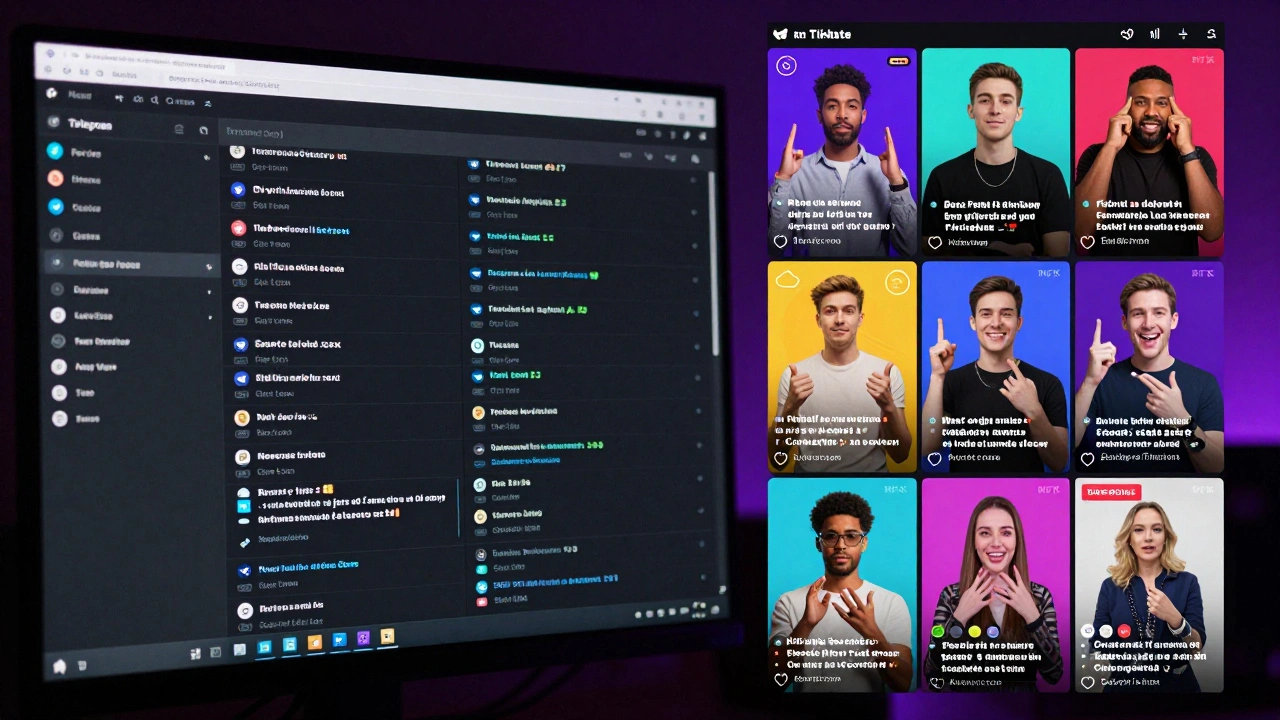
Why Under-30s Choose TikTok Over Telegram for News
It’s not about which app is better. It’s about which one fits how young people live.
- They want speed. TikTok delivers news in under a minute. Telegram requires clicking, scrolling, and reading.
- They want visuals. A video of a protest speaks louder than a text update. TikTok turns headlines into motion. Telegram is text-heavy.
- They want discovery. On TikTok, you find news you didn’t know you cared about. On Telegram, you only see what you subscribed to.
- They want community. Comments on TikTok news clips turn into debates, memes, and reactions. Telegram comments? Rare. Most interaction happens in private chats.
TikTok’s growth in news usage has jumped 58% since late 2021. Meanwhile, Telegram’s news-related traffic hasn’t shown any major spike. Search traffic for Telegram has grown steadily-but mostly from people looking for secure messaging, not news channels.
Regional Differences Matter
In the U.S., TikTok is the #1 social platform for Gen Z, with over 150 million monthly active users. In the U.K., Gen Z spends 95 minutes a day on TikTok-more than anywhere else. In India, where WhatsApp dominates messaging, YouTube and TikTok lead in news consumption. Telegram? It’s used, but mostly by tech-savvy users and crypto groups. It doesn’t come close to TikTok’s reach.
Even in countries with heavy government censorship, TikTok still finds ways to spread news through creators using metaphors, humor, and coded language. Telegram may be safer for private chats, but TikTok is where the conversation happens.
The Future of News for Young People
TikTok isn’t just winning now-it’s setting the rules for how news will be consumed for the next decade. Its creators are becoming trusted sources. Journalists are learning to adapt their reporting to 60-second formats. Newsrooms are even hiring TikTok specialists.
Telegram will keep its role as a private network for those who need encryption. It’s perfect for whistleblowers, activists, and niche communities. But for the average under-30 user? It’s not a news source. It’s a messaging app with some channels attached.
The real question isn’t whether Telegram can compete with TikTok. It’s whether anyone still thinks news should be a chore to find. Young people don’t want to hunt for it. They want it to find them. And TikTok is the only platform doing that at scale.
Is Telegram used for news by young people at all?
Yes, but only in small, specific groups. Telegram is used by crypto traders, activists, and developers who need encrypted communication. These users often follow news channels, but they’re not the majority. For most under-30s, Telegram is a messaging app-not a news feed.
Why do under-30s trust TikTok for news?
They don’t trust it like a newspaper. They trust the creators. A teacher, a journalist, or even a student who breaks down news in simple, visual ways builds credibility over time. TikTok’s algorithm surfaces these creators based on engagement, not reputation. That’s why Gen Z sees TikTok as more authentic than traditional outlets.
Does TikTok spread misinformation faster than Telegram?
TikTok’s algorithm can amplify false claims quickly because it’s designed to maximize engagement. But Telegram’s closed groups can also become echo chambers where misinformation spreads unchecked. Neither platform is perfect. TikTok has fact-checking tools and moderation teams. Telegram has none. The difference is visibility-TikTok’s content is public and debated. Telegram’s is hidden.
Can Telegram ever become a major news platform?
Unlikely as a mainstream news source. Its design is built for privacy and messaging, not discovery. Adding an algorithmic feed would go against its core identity. It might grow in niche communities, but it won’t replace TikTok for the average young user who wants news without effort.
What percentage of under-30s use TikTok for news daily?
About 63% of Gen Z users (ages 13-24) use TikTok to keep up with news, according to 2025 data. That number is growing, especially as TikTok partners with news organizations to verify sources and label content.