Posting news on Telegram isn’t just about hitting send. It’s about hitting send at the right time-when your audience is awake, alert, and ready to engage. With 900 million monthly users and news channels making up 85% of the most popular categories, Telegram has become the go-to platform for real-time updates. But if you’re posting at 3 a.m. in New York while your readers in Tokyo are already at work, you’re missing the mark.
Why Time Zone Matters More Than You Think
Telegram doesn’t force you into a global feed. It lets you schedule messages to go out at exact times, but here’s the catch: the schedule follows the timezone of your Telegram account, not your phone or computer. If your account is set to EST but your main audience is in London, your 9 a.m. post will land at 2 p.m. in the UK-right in the middle of lunch. That’s not a glitch. That’s a mistake. Most successful news channels don’t guess. They track. According to CRMChat’s January 2025 analysis of 500 Web3 channels, engagement spikes 37% between 9 a.m. and 11 a.m. EST. That’s when people check their phones after coffee, before meetings. In London, peak time is 2 p.m. to 4 p.m. GMT. In Tokyo, it’s 10 a.m. to 12 p.m. JST. These aren’t random. They align with local work rhythms.Best Times to Post by Major Time Zones
Here’s what the data shows for key regions, based on engagement rates from 15,000+ channels tracked by Blog2Social and CRMChat:- EST (New York, Toronto): 8:00 AM - 10:00 AM (morning focus), 1:00 PM - 4:00 PM (post-lunch), 7:00 PM - 9:00 PM (evening wind-down)
- GMT (London, Dublin): 12:00 PM - 2:00 PM (midday), 6:00 PM - 8:00 PM (after work)
- CET (Berlin, Paris): 12:30 PM - 2:30 PM (post-lunch), 7:00 PM - 9:00 PM
- JST (Tokyo, Seoul): 10:00 AM - 12:00 PM (mid-morning), 7:00 PM - 9:00 PM
- PST (Los Angeles, Vancouver): 7:00 AM - 9:00 AM, 12:00 PM - 3:00 PM, 6:00 PM - 8:00 PM
- BRT (São Paulo): 8:00 AM - 10:00 AM, 7:00 PM - 9:00 PM
Notice a pattern? Morning slots (8-10 a.m. local) work for serious updates. Afternoon (1-4 p.m.) catches professionals mid-shift. Evenings (6-9 p.m.) are for summaries, analysis, and opinion. And if you’re posting late at night? You’re risking annoyance. A December 2024 SocSignal poll found 68% of users find late-night Telegram alerts disruptive.
When to Post on Weekdays vs. Weekends
Weekends are quiet on Telegram. Not because people aren’t online-they are-but because news cycles slow down. Blog2Social’s data shows weekday posts get 22% more engagement than weekend ones. Wednesday is the strongest day, with 17% higher interaction than Sunday, which sees the lowest activity. If you’re covering breaking news, post immediately. No schedule needed. But for routine updates-market recaps, policy summaries, tech briefings-stick to Monday through Friday. Posting on Saturday at 10 a.m. EST might feel timely, but your audience isn’t looking for news then. They’re out shopping, hiking, or sleeping in.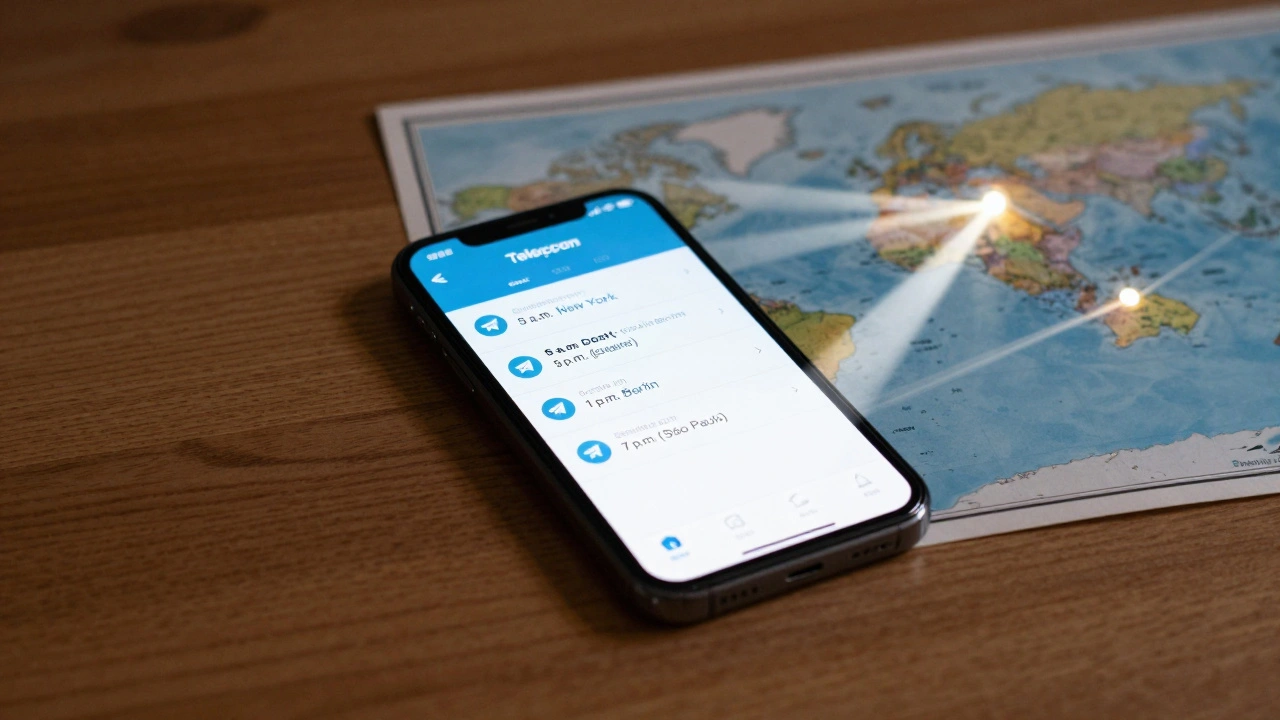
How Many Times Should You Post Daily?
Three is the magic number. Top-performing channels like @BreakingNews (520K subscribers) post exactly three times a day: 8 a.m., 1 p.m., and 7 p.m. EST. That’s consistent. Predictable. Manageable. Posting more than five times a day? You’re spamming. SocSignal’s November 2024 study found channels posting seven or more times daily saw 43% higher unsubscribe rates. People follow Telegram channels for updates, not noise. One high-quality update at the right time beats five rushed ones. KITSUNE.PRO’s January 2025 guidelines put it bluntly: “One high-quality post is preferable to five brief publications of dubious value.”How to Set Up Your Schedule Correctly
You have two options: Telegram’s native scheduler or third-party tools like Onlypult or Auto Forward Messages. Native scheduling: Long-press the send button → “Schedule Message” → pick date and time. But here’s the key: your account’s timezone must match your primary audience. If you’re targeting U.S. readers, set your Telegram account to EST. If your audience is mostly in Germany, set it to CET. The platform doesn’t auto-adjust-it follows your account setting. Third-party tools: These let you schedule across multiple time zones from one dashboard. Onlypult, for example, lets you create separate schedules for EST, GMT, and JST. You can post 9 a.m. EST for North America, 2 p.m. GMT for Europe, and 10 a.m. JST for Asia-all from one interface. Setup takes 3-5 hours. Maintenance? About an hour a week.Segment Your Audience, Don’t Just Broadcast
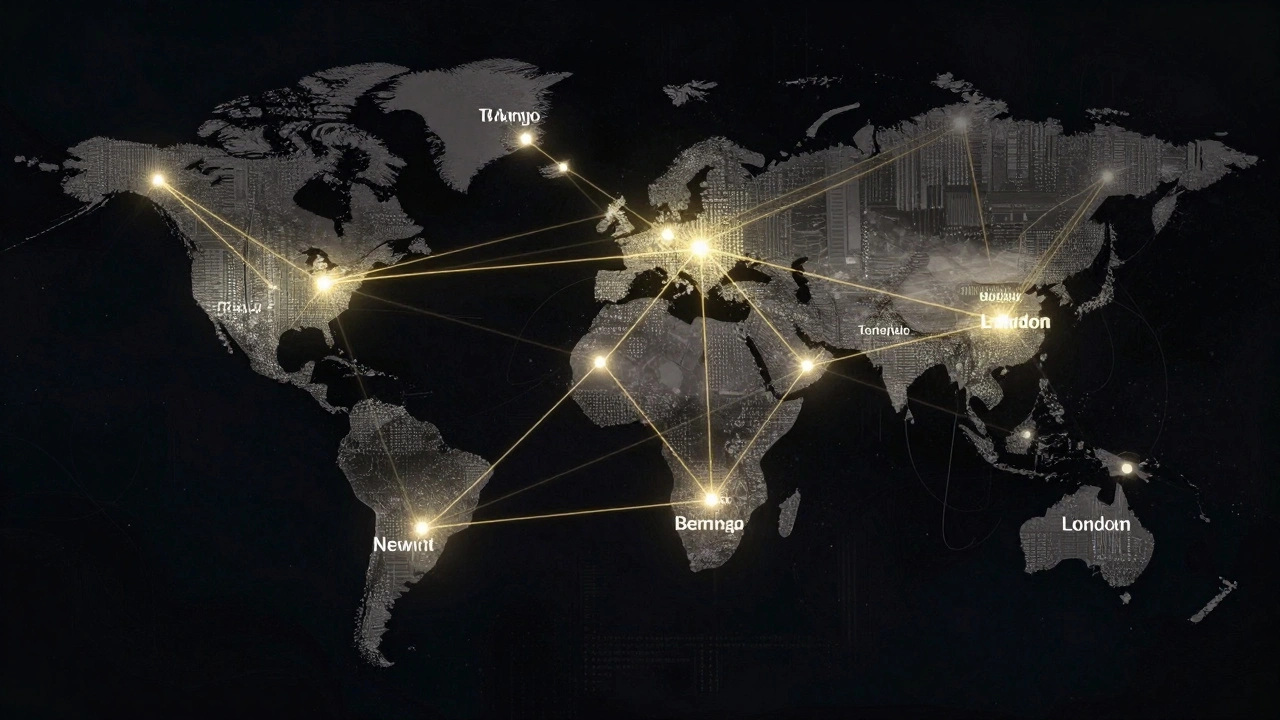
If your audience spans three continents, you can’t use one schedule. You need three. CRMChat recommends this approach for global news outlets:- 9:00 AM EST → North America
- 2:00 PM GMT → Europe
- 10:00 AM JST → Asia
That’s three separate scheduled posts. Each timed to the local peak. You’re not confusing your audience. You’re respecting them.
Some channels even use different content for each segment. Morning posts in New York are quick headlines. Evening posts in London include deeper analysis. Tokyo gets infographics. It’s not duplication. It’s adaptation.
What About Early Morning? 5 a.m. Is Actually a Secret Weapon
You heard that right. CRMChat’s analysis of Web3 channels found that posting at 5 a.m. to 6 a.m. local time had 31% higher response rates than midday posts. Why? Less competition. Most channels wait until 8 a.m. to post. If you’re the first one in the feed, your message gets seen before the rush. This works best for niche audiences-crypto traders, financial analysts, journalists-who check their phones before sunrise. It’s not for everyone. But if your audience is early risers, this is a hidden advantage.What Not to Do
Avoid these common mistakes:- Posting late at night (after 10 p.m. local time)-users report it as intrusive
- Changing your schedule randomly-consistency builds trust
- Using the same post for all regions-cultural timing matters
- Ignoring analytics-Telegram doesn’t give you built-in stats, so use Onlypult or other tools to track opens and clicks
Also, don’t rely on “best practices” from other industries. What works on Instagram or Twitter doesn’t apply here. Telegram is a direct feed. No algorithm. No shadow banning. Just you and your subscribers. That means timing is everything.
The Future: AI That Picks the Best Time for You
Telegram’s roadmap includes AI-driven scheduling suggestions, set to roll out in Q2 2025. This feature will analyze your channel’s engagement patterns and recommend optimal posting times-down to the minute-for each segment of your audience. Until then, you’re in control. Use the data. Test. Track. Adjust.Start with three posts: 8 a.m., 1 p.m., and 7 p.m. in your primary time zone. Then, if you have audiences elsewhere, add one more at their peak hour. Monitor engagement for two weeks. See what sticks. Drop what doesn’t.
Telegram isn’t a broadcast tower. It’s a conversation. And conversations happen when people are ready to listen.
What time zone should I set my Telegram account to for news posting?
Set your Telegram account’s timezone to match your primary audience’s location. For example, if most of your readers are in New York, set your account to EST. Telegram schedules messages based on your account’s timezone, not your device’s. If you’re targeting multiple regions, use third-party tools like Onlypult to schedule posts in different time zones from one dashboard.
How many times a day should I post news on Telegram?
Three times a day is the sweet spot for most news channels. Top performers like @BreakingNews post at 8 a.m., 1 p.m., and 7 p.m. local time. Posting more than five times daily increases unsubscribe rates by 43%, according to SocSignal. Quality beats quantity-focus on timing and relevance, not volume.
Is it better to post on weekdays or weekends?
Weekdays, especially Wednesday, perform best. Blog2Social’s data shows weekday posts get 22% more engagement than weekend posts. Sunday has the lowest engagement. News consumption drops on weekends, so unless you’re covering breaking events, stick to Monday-Friday.
Can I post the same message to multiple time zones?
You can, but you shouldn’t. A 9 a.m. post in New York is 2 p.m. in London and 10 p.m. in Tokyo. That means your message could arrive during work hours in one region and bedtime in another. Use segmented scheduling: create separate posts for each region at their local peak times. Tools like Onlypult make this easy.
What type of content works best at different times of day?
Morning (8-10 a.m.): breaking news, headlines, quick updates. Afternoon (1-4 p.m.): market recaps, policy summaries, official statements. Evening (6-9 p.m.): analysis, opinion pieces, deep dives. Avoid heavy content in the morning and light content at night-match the tone to the audience’s mindset.
Do I need third-party tools to schedule Telegram posts?
Not for a single time zone. Telegram’s built-in scheduler works fine. But if you’re targeting audiences across three or more time zones, third-party tools like Onlypult or Auto Forward Messages are essential. They let you schedule multiple posts in different time zones from one dashboard, saving hours of manual work.
Why do some people say posting at 5 a.m. works better?
In niche communities like crypto or finance, early morning (5-6 a.m. local time) has less competition. Most channels wait until 8 a.m. to post, so if you’re the first one in the feed, your message gets seen before the rush. This strategy boosts response rates by 31%, according to CRMChat’s Web3 analysis. It’s not for every audience, but it’s powerful for early-rising professionals.