When a journalist is targeted with violent threats on Telegram, the clock starts ticking. Not just because of the danger, but because the noise spreads fast-dozens of fake accounts amplify the abuse, bots flood the comments, and the newsroom has to respond before the story turns into a smear campaign. This isn’t hypothetical. In 2024, over 60% of journalists covering conflict zones reported being targeted through Telegram channels. The platform, once seen as a tool for whistleblowers and activists, has become a frontline in modern media warfare. Newsrooms that don’t have a clear protocol for handling these crises are already behind.
Why Telegram? It’s Not Just Another App
Telegram isn’t Twitter. It doesn’t push trending topics. It doesn’t bury your posts behind an algorithm. That’s the point. For newsrooms in high-risk environments-whether covering war, corruption, or authoritarian regimes-Telegram offers control. You own the channel. You control who joins. You decide what gets broadcast. No corporate gatekeepers. No shadow banning. When a live attack happens in Kyiv or Kharkiv, and the local TV station’s website goes down, Telegram becomes the only reliable channel to reach thousands in real time. But that same control makes it dangerous. Unlike Facebook or YouTube, where abuse gets flagged automatically, Telegram has no built-in moderation. A threat message can sit in a private group for hours before anyone notices. That’s why newsrooms can’t just use Telegram like a broadcast tool. They need a full protocol.The Four-Step IPI Protocol: What Actually Works
The International Press Institute’s crisis protocol isn’t a suggestion-it’s a blueprint used by newsrooms from Ukraine to Kenya. It breaks down into four non-negotiable steps:- Reporting: Every incident, no matter how small, must be logged. Not in an email. Not in a note. In a secure Telegram group with restricted access. Journalists report threats directly through a dedicated channel. The group isn’t public. It’s not even searchable. Only verified staff and the Online Safety Coordinator can join. Each report includes timestamp, screenshot, sender ID, and context. No guesswork.
- Risk Assessment: Not all threats are equal. The protocol forces teams to categorize each incident by three types: physical harm (e.g., doxxing with home address), psychological harm (e.g., targeted hate campaigns), and reputational harm (e.g., fake videos designed to discredit). This isn’t about panic-it’s about triage. A doxxed reporter gets immediate support. A troll posting memes? Monitored, but not escalated.
- Support Mechanisms: This is where most newsrooms fail. They assume journalists should just “tough it out.” The IPI protocol says no. If a journalist is under sustained attack, they get one of three options: temporary reassignment, paid leave, or access to a 24/7 digital safety team. The team includes legal advisors, psychologists, and cybersecurity experts-all reachable via encrypted Telegram DMs. One newsroom in Georgia reduced PTSD cases by 40% after implementing this.
- Tracking and Reassessment: Threats evolve. A quiet channel can explode overnight. The protocol requires daily check-ins. Moderators set alerts for unusual activity: sudden spikes in messages, new accounts joining, or repeated mentions of a journalist’s name. If a threat pattern changes, the risk level gets updated. No “set it and forget it.”
Roles Matter: Who Does What
You can’t just assign this to an intern. Telegram crisis management needs structure:- Online Safety Coordinator: Full-time role. Manages the secure Telegram groups, logs incidents, coordinates support teams, and updates protocols monthly. This person doesn’t report to the editor-they report directly to the publisher.
- Editors: They don’t handle tech. They create space. Weekly check-ins with staff. Open forums where journalists can say, “I got hit again,” without fear of being told to “just ignore it.”
- Moderators: Trained to spot patterns. They don’t block users immediately-blocking alerts the attacker and cuts off monitoring. Instead, they archive messages, trace IP patterns, and flag repeat offenders.
- Journalists: They’re not passive victims. They’re part of the solution. They help design the reporting form. They vote on which threats get public responses. Their input shapes the protocol.
How to Set Up Your Telegram Crisis Channels
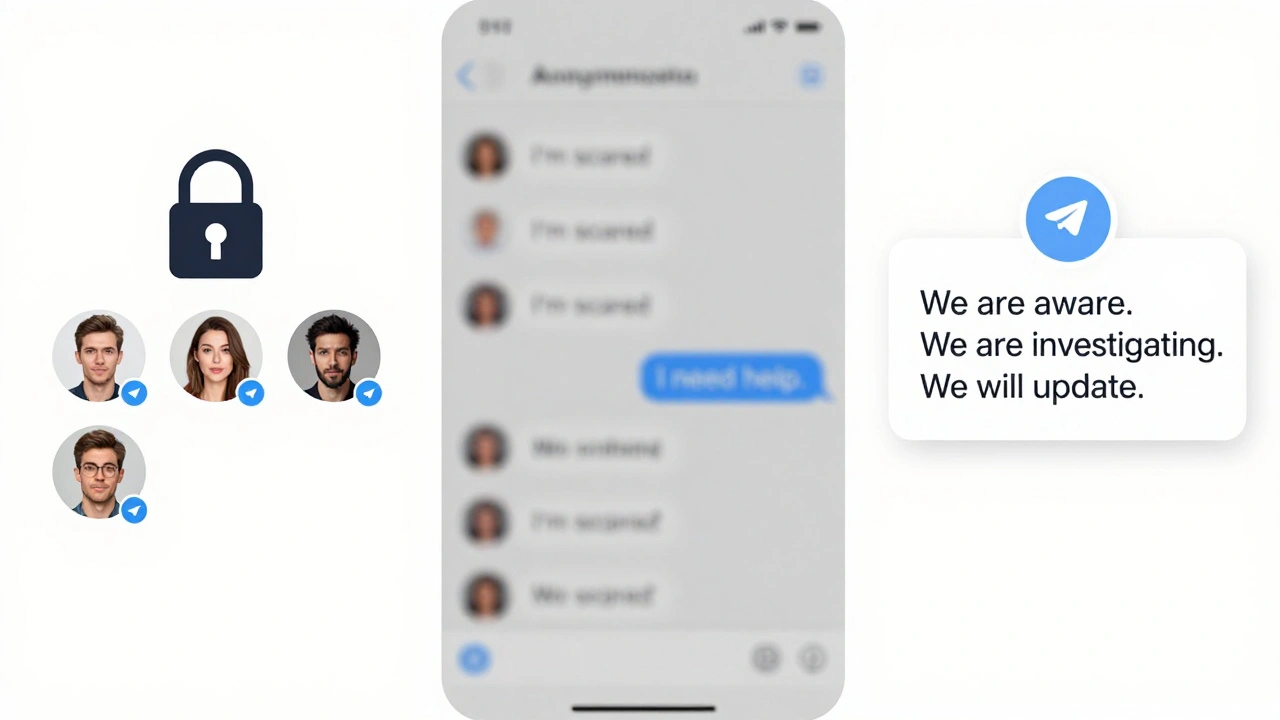
Forget using public channels. Those are for press releases, not emergencies. Here’s what works:- Private Group (Internal Reporting): Invite-only. Uses end-to-end encrypted chats. Only staff and the Safety Coordinator. This is where threats are logged.
- Broadcast Channel (Public Updates): One-way. Used only to share verified facts during a crisis. No comments. No replies. Just: “We are aware. We are investigating. We will update.”
- Support Channel (Peer Network): Anonymous. Journalists can post without names. Used for emotional support. “I’m scared.” “I got sleep last night.” “I need help.”
Each channel has different permissions. The internal group? Only admins can post. The support channel? Anyone can post, but only moderators can reply. The broadcast channel? Locked down completely.
What Not to Do
Many newsrooms make the same mistakes:- Blocking users: It triggers backlash. Blocked users often create new accounts and escalate. Instead, archive the messages and track patterns.
- Using public channels for reporting: That’s like putting your emergency calls on Twitter. Anyone can see them. Anyone can weaponize them.
- Waiting for a major incident: Protocols fail if they’re only tested in crisis. Run monthly drills. Simulate a doxxing. See how fast your team responds.
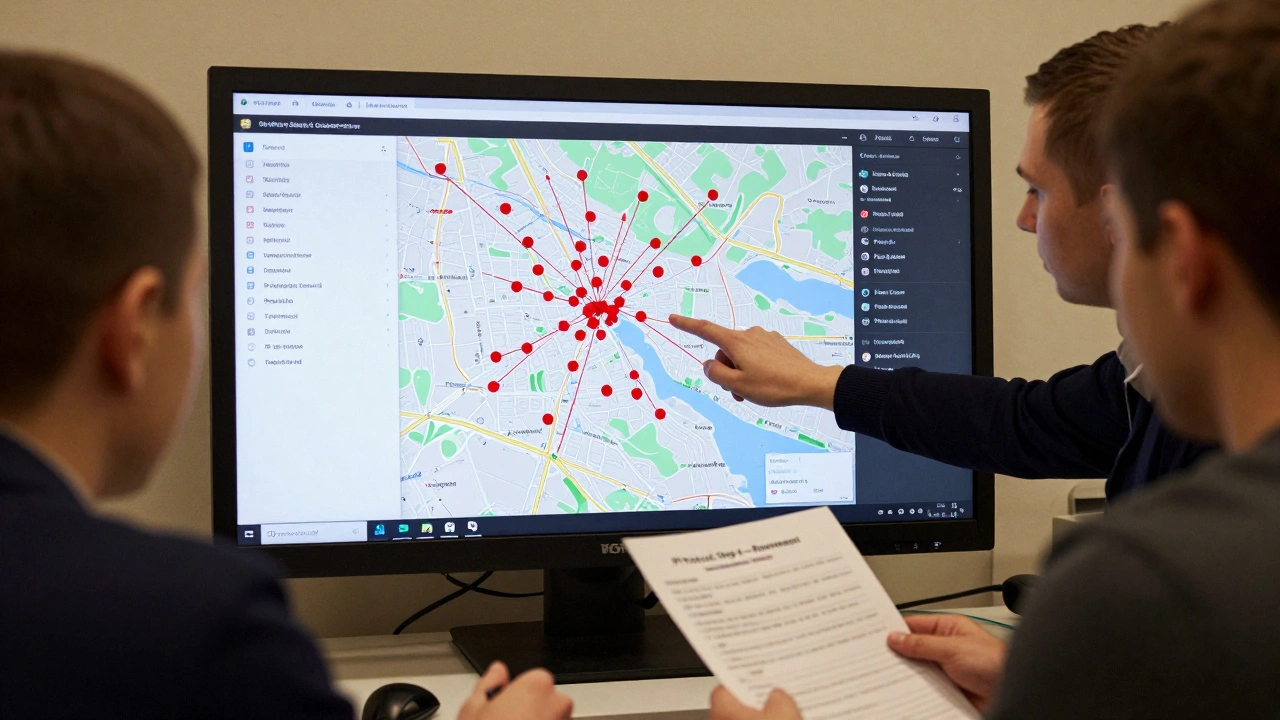
- Ignoring metadata: Telegram messages carry location data, device IDs, and timestamps. Use them. If three threats come from the same IP, you’re not dealing with random trolls-you’re dealing with a coordinated campaign.
Real-World Proof: What Happens When You Do It Right
In late 2024, a small investigative outlet in Moldova exposed a money-laundering ring tied to a local politician. Within 48 hours, Telegram bots flooded their reporters with death threats. Their protocol kicked in.- Within 15 minutes, the Safety Coordinator activated the internal group.
- By hour two, the risk assessment flagged the threats as “high physical risk” due to home addresses being shared.
- Two reporters were given paid leave. One was relocated.
- Their broadcast channel posted a single message: “We are continuing our reporting. We are safe.” No panic. No details.
- By day three, they traced the attacks to a single Telegram channel linked to a pro-government group. They documented it. Published it.
The story went global. The threats stopped. Not because they fought back. Because they had a system.
The Bigger Picture: Telegram as a Mirror
Telegram isn’t the problem. It’s a mirror. It shows you where your newsroom is vulnerable. If your staff are afraid to speak up, no protocol will fix that. If your leadership treats online abuse as “part of the job,” your protocol is just a document.The real test isn’t whether you have a Telegram group. It’s whether your journalists feel safe enough to use it.
Can Telegram be used for breaking news during a crisis?
Yes, but only as a broadcast channel. Telegram’s lack of algorithmic filtering means your message reaches subscribers without being buried. Newsrooms use it to push verified updates during events like natural disasters, protests, or armed conflicts. The key is to avoid comments, replies, or engagement-just pure, unfiltered information. Public channels with no moderation work best for this.
How do journalists report harassment on Telegram without exposing themselves?
They use encrypted private groups with restricted access. Only verified staff and the Online Safety Coordinator are allowed in. Reports are submitted as screenshots with timestamps, sender IDs, and context-not voice messages or public posts. This keeps identities hidden and ensures the information is logged securely. No public tagging, no screenshots shared outside the group.
Is Telegram more secure than WhatsApp or Signal for crisis comms?
It depends. Signal has better encryption and no cloud backups. WhatsApp is end-to-end encrypted but tied to phone numbers. Telegram offers a middle ground: secret chats (end-to-end encrypted) and cloud-based groups (for team coordination). For newsrooms, Telegram’s flexibility wins-it supports both encrypted DMs and large broadcast channels, which Signal and WhatsApp can’t do efficiently. But it requires active moderation, unlike Signal.
Do I need to hire a dedicated person to manage Telegram crisis protocols?
Yes. Managing Telegram during a crisis isn’t a side task. It requires constant monitoring, threat analysis, coordination with legal and psychological teams, and updating protocols based on real-time data. A part-time staffer won’t cut it. The IPI protocol recommends at least one full-time Online Safety Coordinator, especially for newsrooms with more than 10 journalists. Smaller teams can rotate the role, but only if they’re trained and compensated for the extra workload.
How do you verify information received via Telegram during a crisis?
Use multiple methods. Cross-check timestamps, geolocation data from photos, and metadata. Contact sources directly through encrypted DMs. Look for patterns-repeated claims from the same channel, similar language, or known disinformation accounts. The Wall Street Journal verified Mariupol siege reports by finding Telegram links in Facebook groups. Verification isn’t about one source. It’s about triangulation.
Can Telegram be used to counter disinformation?
Yes, but not by reacting. The best defense is consistent, calm, factual broadcasting. When false claims spread, respond with a clear, short update: “The claim about X is false. Here’s what actually happened.” Repeat. Don’t engage trolls. Don’t debate. Just state the truth, again and again. Research shows audiences remember consistent messaging, even if they’re exposed to lies.
What Comes Next
The next five years will see more newsrooms adopt Telegram protocols-not because it’s trendy, but because there’s no alternative. As governments crack down on traditional media, journalists will rely more on decentralized platforms. The ones that survive won’t be the loudest. They’ll be the most prepared.Start small. Set up one private group. Train one person. Run one drill. Then build from there. Your journalists are already on Telegram. The question isn’t whether to use it. It’s whether you’re ready when the next threat comes.
Latest Posts