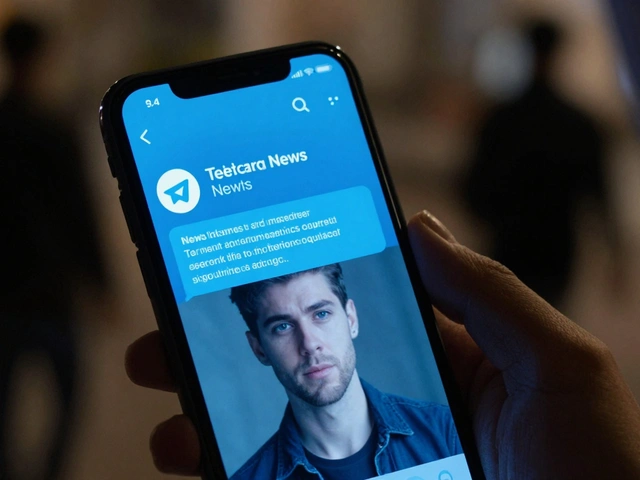
Have you noticed that your friends aren't watching the evening news on TV anymore? They’re scrolling through their phones. But it’s not just Instagram or TikTok. A growing number of young people are turning to Telegram, a messaging app known for its privacy features, as their primary source for breaking news and political updates. This shift isn’t random. It’s driven by specific design choices in the app and changing habits among younger generations who distrust traditional media algorithms.
In this article, we’ll break down why platforms like Telegram are becoming go-to news hubs for Gen Z and Millennials. We’ll look at the data behind these trends, the technical features that make the app suitable for broadcasting, and the risks involved in consuming unfiltered information.
Key Takeaways
- Algorithm-Free Feeds: Young users prefer Telegram’s chronological order over the opaque algorithms of Facebook or TikTok, giving them more control over what they see.
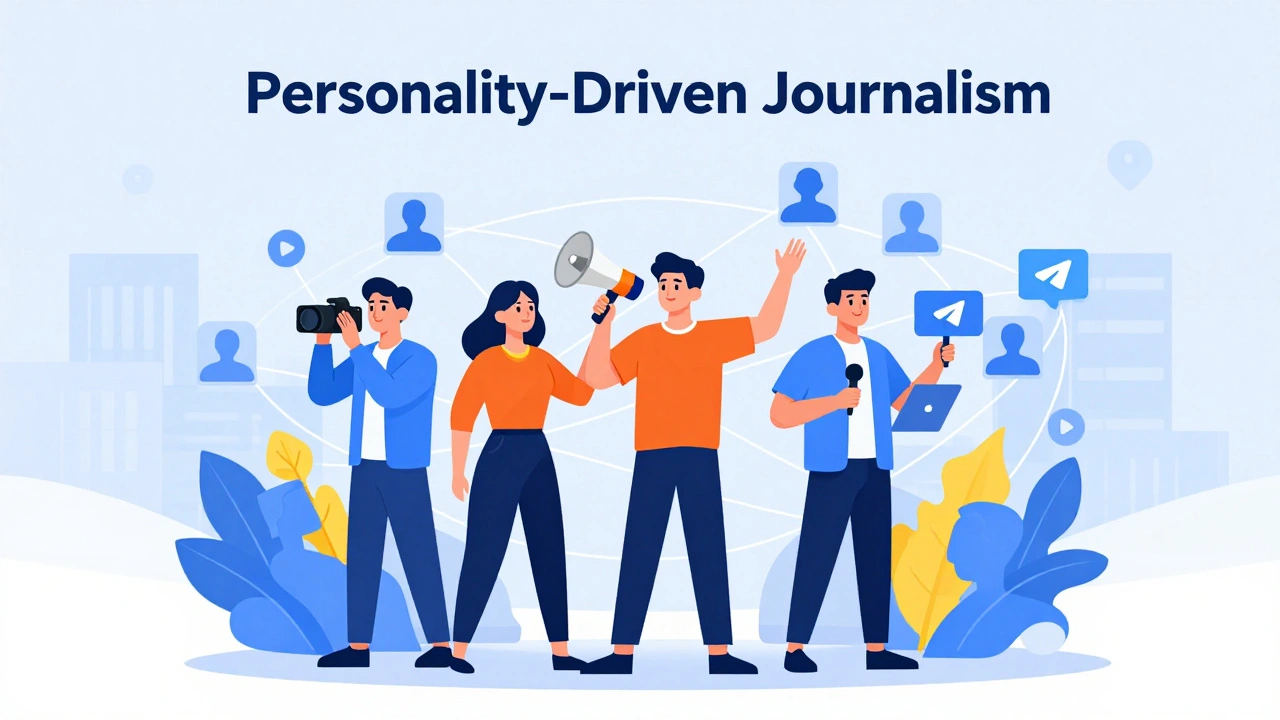
- Personality-Driven Journalism: Instead of following big brands, youth follow individual journalists, activists, and influencers who post directly to channels.
- Rich Media Support: Telegram allows large file uploads (up to 2GB+), enabling high-quality video reports and PDFs without compression loss.
- Privacy & Safety: Semi-anonymous subscriptions allow users in restrictive environments to consume sensitive news without exposing their identity.
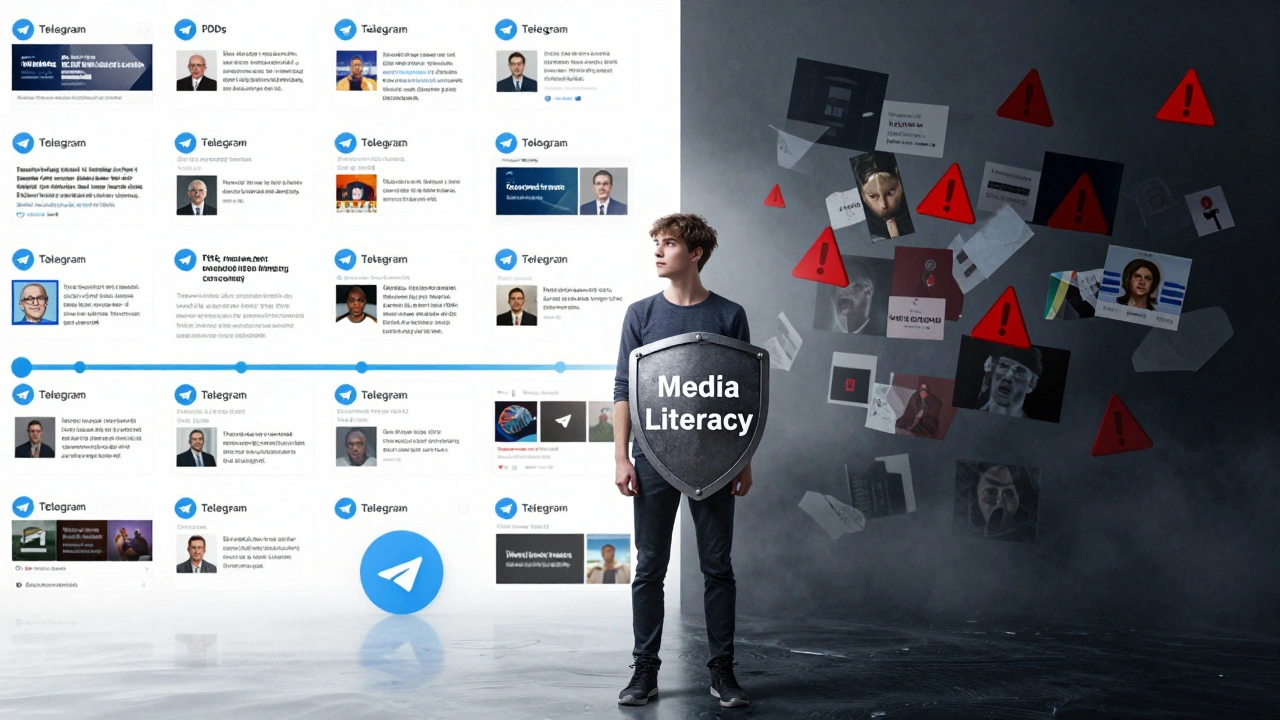
- Misinformation Risks: The lack of strict content moderation means fake news and graphic content can spread quickly, requiring higher media literacy from users.
The Rise of Digital Natives as News Consumers
To understand why Telegram is popular, we first need to look at how young people consume information today. According to the Reuters Institute Digital News Report 2023, 84% of 18-24-year-olds in the EU rely primarily on the internet for news. Television, once the dominant source, has lost its grip on this demographic. In the United States, Deloitte’s 2022 survey found that 51% of Gen Z teens get their news mainly from social media feeds.
This generation doesn’t distinguish sharply between a "news app" and a "social app." For them, the line is blurred. They want speed, authenticity, and community. Traditional news sites often feel slow or corporate. Social media feels personal but is cluttered with ads and algorithmic noise. Telegram sits in the middle. It offers the immediacy of social media with the structure of a broadcast platform.
GlobalWebIndex (GWI) data from 2023-2024 shows that about 43% of the global online population (excluding China) uses Telegram. Their audience skews young, urban, and educated. These are "early adopters" who are comfortable navigating complex digital tools. They don’t just want headlines; they want context, raw footage, and direct access to sources.
Why Telegram’s Design Fits Youth Preferences
Telegram wasn’t built as a news site. Launched in 2013 by Pavel Durov and Nikolai Durov, it started as a secure messenger. However, its architecture accidentally created perfect conditions for news distribution. Here’s why the app resonates with younger audiences:
- Chronological Feeds: Unlike Facebook or Instagram, which use algorithms to decide what you see, Telegram channels display posts in strict time order. If a journalist posts an update, it appears exactly when sent. Young users appreciate this transparency. They don’t have to wonder if an algorithm hid a story because it wasn’t "engaging" enough.
- Unlimited Channel Subscribers: A single Telegram channel can have millions of subscribers. This allows independent reporters or niche communities to build massive audiences without needing a corporation behind them. During crises, such as the war in Ukraine, some channels grew to over 1 million followers overnight.
- High File Limits: Telegram allows free users to upload files up to 2 GB. Premium users can go up to 4 GB. This means news outlets can share full-length documentaries, high-resolution photos, or detailed PDF reports without compressing the quality. For a generation used to HD video, this is a huge advantage over platforms that squash media into low-res thumbnails.
- Cross-Platform Sync: Whether you’re on iOS, Android, Windows, or Linux, your chats and channels sync instantly. This flexibility fits the multi-device lifestyle of students and young professionals.
These features align with what the European Parliament’s research service noted: young people prefer video-based and personality-driven content. Telegram enables creators to mix text, voice notes, videos, and documents in a single stream, catering to different attention spans.
The Power of Personality-Driven News
Young audiences trust individuals more than institutions. A study by CIRCLE (Tufts University) in 2024 found that 77% of US youth named social or digital platforms as top sources for political information. On Telegram, this translates into following specific people rather than brand logos.
You might subscribe to a channel run by a freelance journalist in Kyiv, an activist in Tehran, or a tech influencer in Berlin. These creators post frequently-sometimes 20 to 50 times a day during breaking events. They blend professional reporting with personal commentary. This style feels more authentic to young readers who are skeptical of "corporate spin."
For example, during protests in Belarus or Iran, Telegram became the main hub for real-time updates. Users didn’t wait for CNN or BBC. They watched live streams from citizen reporters shared via Telegram links. This direct connection creates a sense of participation. You’re not just reading news; you’re witnessing it alongside others.
Privacy and Safety in Restrictive Environments
One of Telegram’s biggest draws for youth is privacy. While accounts require a phone number, users can hide their contact info and use a username instead. More importantly, when you subscribe to a public channel, the admin cannot see your name or profile picture. Only the total subscriber count is visible.
This anonymity is crucial for young people living under authoritarian regimes or in highly polarized societies. A 19-year-old in Russia or China can follow opposition news or banned topics without fear of being doxxed or harassed by the channel owner. Even in democratic countries, teens may worry about parental surveillance or school monitoring. Telegram offers a layer of separation that open platforms like X (formerly Twitter) or TikTok do not.
However, this privacy comes with trade-offs. Because there is no central verification system for all channels, it’s easy for bad actors to create fake news accounts. Users must rely on peer recommendations or external fact-checking lists to find credible sources.
Comparison: Telegram vs. Other Platforms for News
How does Telegram stack up against other apps young people use? Let’s compare key attributes.
| Feature | Telegram | TikTok / Instagram | Traditional News Sites | |
|---|---|---|---|---|
| Feed Type | Chronological (Time-order) | Algorithmic (Personalized) | Private Chats / Groups | Editorial Curated |
| Content Control | User chooses channels | Platform decides visibility | User invites contacts | Editors decide coverage |
| Media Quality | High (Up to 4GB files) | Compressed (Short-form video) | Medium (Compression applies) | Variable (Paywalls common) |
| Anonymity | High (Hidden subs) | Low (Public profiles) | Medium (Phone number visible) | N/A (Reader identity hidden) |
| Moderation | Minimal (Reactive only) | Strict (AI + Human) | Peer-controlled | Editorial Standards |
As the table shows, Telegram fills a unique gap. It’s more open than WhatsApp, more private than TikTok, and faster than traditional websites. For youth seeking uncensored, high-quality updates, it’s hard to beat.
The Dark Side: Misinformation and Mental Health
We can’t ignore the risks. The American Academy of Pediatrics (AAP) warns that social media exposure can lead to cyberbullying, anxiety, and sleep disruption. Telegram’s lack of proactive content moderation makes these issues worse.
Because anyone can create a channel, fake news spreads easily. Imposter accounts mimic legitimate news outlets. Graphic violence from conflict zones circulates without warning labels. For young minds still developing critical thinking skills, this can be overwhelming. The AAP notes that nearly half of adolescents experience online harassment, which correlates with poorer mental health outcomes.
Additionally, the "always-on" nature of Telegram channels can cause digital stress. Notifications ping constantly, urging users to stay updated. This binge-scrolling behavior disrupts sleep patterns and increases anxiety. Unlike Instagram, where you can mute stories, Telegram’s chat interface encourages continuous engagement.
Media literacy becomes essential here. Organizations like CIRCLE emphasize that youth need skills to verify sources, reverse-search images, and cross-reference claims. Without these skills, Telegram can become an echo chamber of conspiracy theories.
Future Trends and Regulation
As Telegram grows, so does scrutiny. The European Union’s Digital Services Act (DSA) aims to hold large platforms accountable for content moderation. If Telegram falls under these rules, we might see stricter enforcement against hate speech and disinformation. This could improve safety but reduce the platform’s appeal as a censorship-resistant tool.
Meanwhile, Telegram continues to evolve. Its Premium subscription model (launched in 2022) adds features like faster downloads and larger uploads, but core news functions remain free. This accessibility ensures it stays relevant for students and low-income users globally.
For now, Telegram remains a vital part of the youth media ecosystem. It empowers citizens to bypass gatekeepers and access raw information. But it also demands responsibility from users. As Greg Bush, observing from Asheville, NC, I’ve seen how local communities use similar tools for rapid communication. The lesson is universal: technology amplifies human intent. Use it wisely.
Is Telegram safe for teenagers to use for news?
Telegram can be safe if used responsibly, but it carries risks. The platform lacks strict content moderation, meaning teens may encounter graphic violence, hate speech, or misinformation. Parents should encourage media literacy, teach kids to verify sources, and set boundaries on screen time to prevent digital stress.
Why do young people prefer Telegram over TikTok for news?
While TikTok is great for short videos, its algorithm controls what you see. Telegram offers chronological feeds, allowing users to choose specific channels and see posts in real-time order. Additionally, Telegram supports longer formats like PDFs and high-res videos, providing deeper context than TikTok’s short clips.
Can I track who subscribes to my Telegram channel?
No. Telegram protects user privacy by hiding individual subscriber identities from channel admins. Admins only see the total number of subscribers. This feature makes Telegram attractive for sensitive topics, as users can follow controversial channels without revealing their identity.
Does Telegram charge for news channels?
Most news channels on Telegram are free. Telegram itself is free to download and use. Some creators may ask for donations, but there are no paywalls like those on traditional news sites. Telegram Premium ($4.99/month in the US) offers extra features like faster downloads, but it’s not required to read news.
How can I verify if a Telegram news channel is legitimate?
Look for official verification badges (though rare), check if the channel links to a reputable website, and cross-reference news with other trusted sources. Be wary of channels with sensationalist headlines or poor grammar. Peer recommendations and media literacy guides can also help identify credible outlets.
Latest Posts