It’s 2026. The news cycle never stops. Local governments make decisions in back rooms. Corporations release statements buried in PDFs. And somewhere in a small apartment in Asheville, a person with a phone and a passion is typing out a story no one else is telling.
You don’t need a newsroom. You don’t need a team. You don’t even need a website. All you need is a Telegram account and the guts to hit "Send" when no one’s watching.
Why Telegram? Because the Big Platforms Are Broken
Twitter? Algorithmic chaos. Substack? Paywalls and slow growth. Facebook? Dead for news. Instagram? Too visual, too noisy.
Telegram is different. It’s not a social network. It’s a broadcast tunnel. No likes. No comments. No viral hooks. Just you, your story, and the people who want to hear it.
Think of it like a radio station you run alone. No producers. No editors. No corporate filters. Just raw, unfiltered updates-exactly how citizen journalism was meant to work.
Major outlets like BBC, Reuters, and The New York Times use Telegram. Why? Because their audiences are moving there. People want direct access. They’re tired of being fed curated headlines. They want the unedited version. And you? You can be the source.
Step 1: Set Up the Channel (It Takes Less Than 5 Minutes)
Open Telegram on your phone or desktop. Tap the three horizontal lines in the top-left corner. Tap "New Channel." That’s it.
You’ll be asked for a name. Don’t go cute. Don’t go clever. Go clear. "Asheville City Council Watch" beats "The Daily Pulse." "Western NC Weather Alerts" beats "Wind & Rain Diary."
Next, add a description. Two sentences max. Example: "Daily updates on local permits, zoning changes, and public meetings in Buncombe County. No ads. No fluff. Just facts."
Now, choose public or private. Start public. Why? Because you need to be found. Public channels show up in Telegram’s search when people type things like "local news," "crime report," or "school board updates."
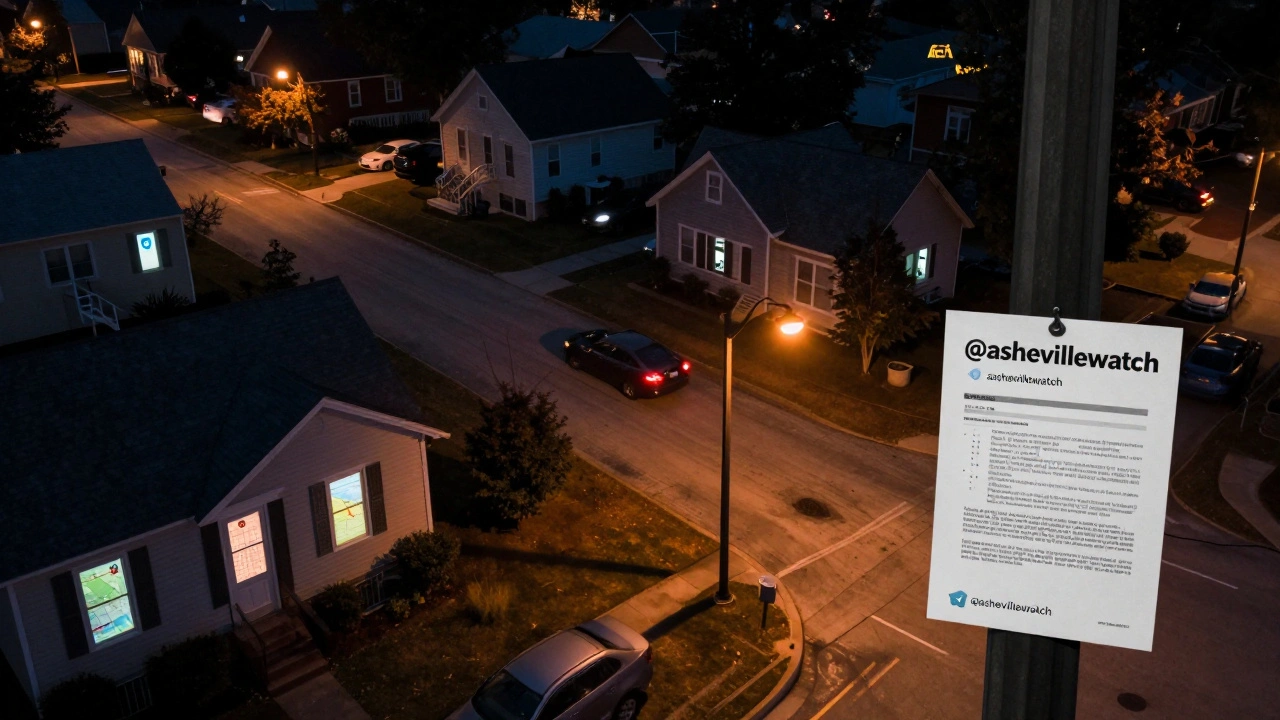
Set a username. It’ll look like @ashevillewatch a public Telegram channel for local news in Asheville, NC. This becomes your permanent link. Save it. Share it. Print it on a flyer.
Step 2: What to Post (And What Not To)
You’re not writing a novel. You’re not doing a podcast. You’re delivering news in digestible chunks.
Here’s what works:
- Headline + 1-2 paragraphs: "City Council approved $2.3M for new bike lanes on Patton Ave. Vote: 5-2. Opponents cited tree removal. Full meeting video: [link]."
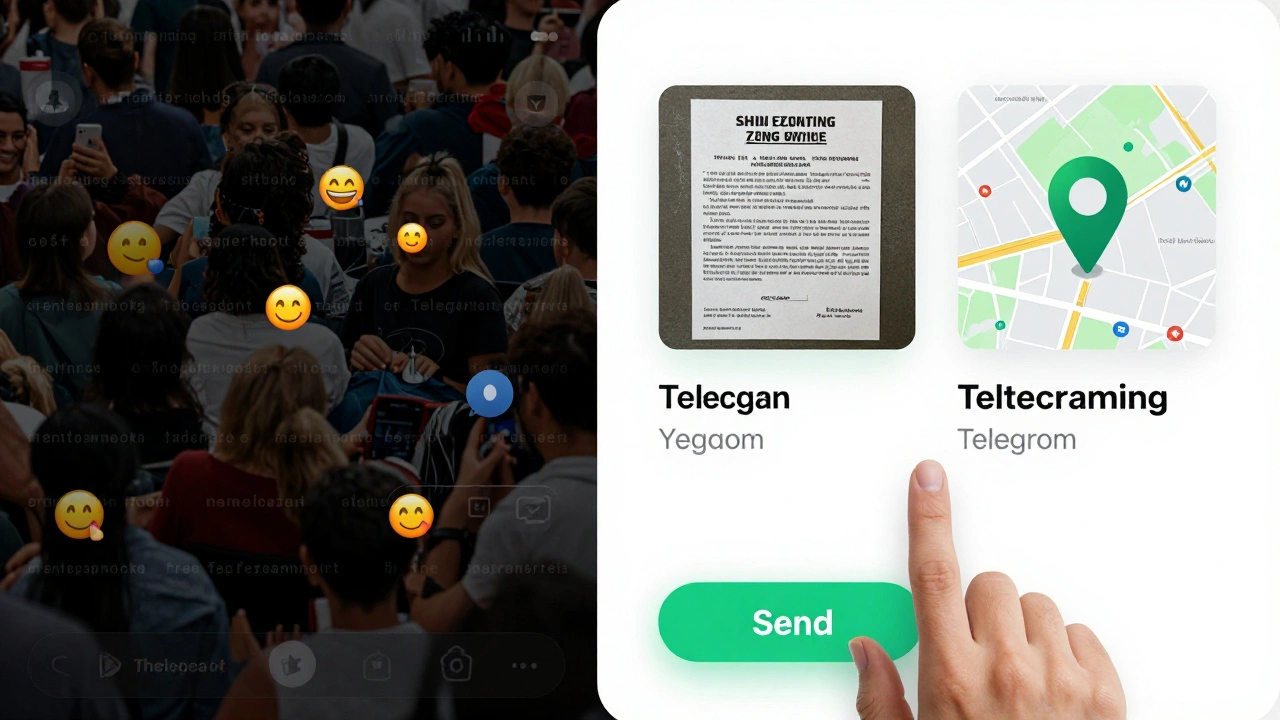
- Photos: A photo of the zoning notice posted on the courthouse door. A shot of the empty meeting room before the vote. Don’t over-edit. Real is better than polished.
- Documents: Upload the PDF of the meeting minutes. No need to summarize. People who care will read it.
- Location tags: Tag the exact spot where a pothole opened up. Or where the city’s new bus stop was supposed to be.
- Quick polls: "Should the city ban short-term rentals in West Asheville? Yes / No / Maybe."
Here’s what doesn’t:
- Long essays. Telegram’s mobile app freezes if you paste more than 2,000 characters. Keep it tight.
- Overused links. Don’t send five external links in one post. Pick one. Use a shortener like clck.ru a URL shortening service commonly used by Telegram news channels if needed.
- Emotional rants. You’re a journalist, not a commentator. Stick to facts. Let readers draw their own conclusions.
Step 3: The Hidden Power of Scheduled Posts
Most solo journalists post when they have time. That’s a mistake.
People check Telegram in the morning. Before work. During lunch. Right before bed. If you only post at 3 p.m. on Tuesday, you’re missing the rhythm.
Use scheduled posts. Hold down the send button. Tap "Schedule." Pick a time. Do this for a week. Post at 7 a.m., 12 p.m., and 6 p.m. Every day. Even if you’re tired. Even if you’re sick. Schedule it ahead.
Why? Consistency builds trust. People start checking your channel like they check the weather app.
Step 4: How People Find You (It’s Not Magic)
You won’t go viral. Don’t wait for it.
People find you the same way they find any news source: search.
Go to Telegram’s search bar. Type in:
- "asheville news"
- "buncombe county government"
- "local crime report"
- "school board updates"
See what comes up? If your channel isn’t there, you’re not optimized.
Change your channel name. Add keywords to your description. Use phrases people actually search for. If you’re covering housing, say "housing violations." If you’re tracking public funds, say "city budget."
Also, ask people to share. Not "like this post." But: "If you know someone who goes to council meetings, send them this link."
Step 5: You’re Not Alone. Here’s What Works
There are hundreds of solo journalists doing this right:
- @clevelandwatch a Telegram channel run by a former police reporter in Cleveland, Ohio, with 12,000 subscribers posts daily crime maps with photos from the scene.
- @houstonwaterwatch a Telegram channel started by a retired civil engineer in Houston, Texas, that tracks water main breaks and boil advisories has 8,000 subs and gets shared by local utility companies.
- @vermontfarmland a Telegram channel by a single farmer in Vermont tracking zoning changes affecting small farms is now cited by state legislators.
They all started with nothing. No budget. No staff. Just a phone and a routine.
What You Can’t Ignore: Safety and Legality
Telegram doesn’t moderate. That’s great. But it’s also dangerous.
If you report on corruption, illegal activity, or powerful people-you need a plan.
- Use a separate phone number. Not your personal one.
- Turn off location services. Don’t let Telegram know where you are.
- Use a VPN. Not for hiding. For consistency. Some governments block Telegram. A VPN keeps you connected.
- Don’t use your real name in the channel name or bio. "@ashevillewatch" is fine. "@gregbushinvestigates" is asking for trouble.
- Save every post. Export your chat history. If you get targeted, you’ll need proof.
Legally? You’re a publisher. That means you’re responsible for what you post. Don’t accuse someone without proof. Don’t publish unverified claims. If you say "Councilman X took bribes," you better have documents.
How Fast Can You Grow?
First month: 50 subscribers. That’s normal.
Second month: 200. If you post every day.
Third month: 500. If you start getting shared.
By six months? 2,000 is possible. Not viral. Not flashy. But real. Reliable. Trusted.
One journalist in North Carolina hit 10,000 in 11 months. How? She posted every morning at 7:15 a.m. She only shared city council minutes. She never broke news. She just made sure no one missed it.
What’s Next? Don’t Stop Here
Don’t think about monetizing yet. Don’t chase sponsors. Don’t add ads.
Build trust first.
When people start DMing you with tips? When local businesses ask if they can share your link? When the county clerk sends you a copy of a document you didn’t even request? That’s when you know you’ve built something real.
Then? Maybe you start a newsletter. Maybe you launch a website. Maybe you team up with another journalist in another town.
But for now? Just post. Every day. No excuses. No perfection. Just truth.
The news isn’t broken. It’s just being filtered. You’re the filter that doesn’t lie.