Telegram launched paid news subscriptions in October 2024, letting publishers charge users with Telegram Stars - a built-in digital currency. At first, it looked like a dream: no ads, no algorithms, just direct payments from readers. But within months, publishers hit a wall. Who actually signed up? Which campaign drove the most conversions? Was it Twitter? A Reddit post? A paid ad? The answer? Nobody knew.
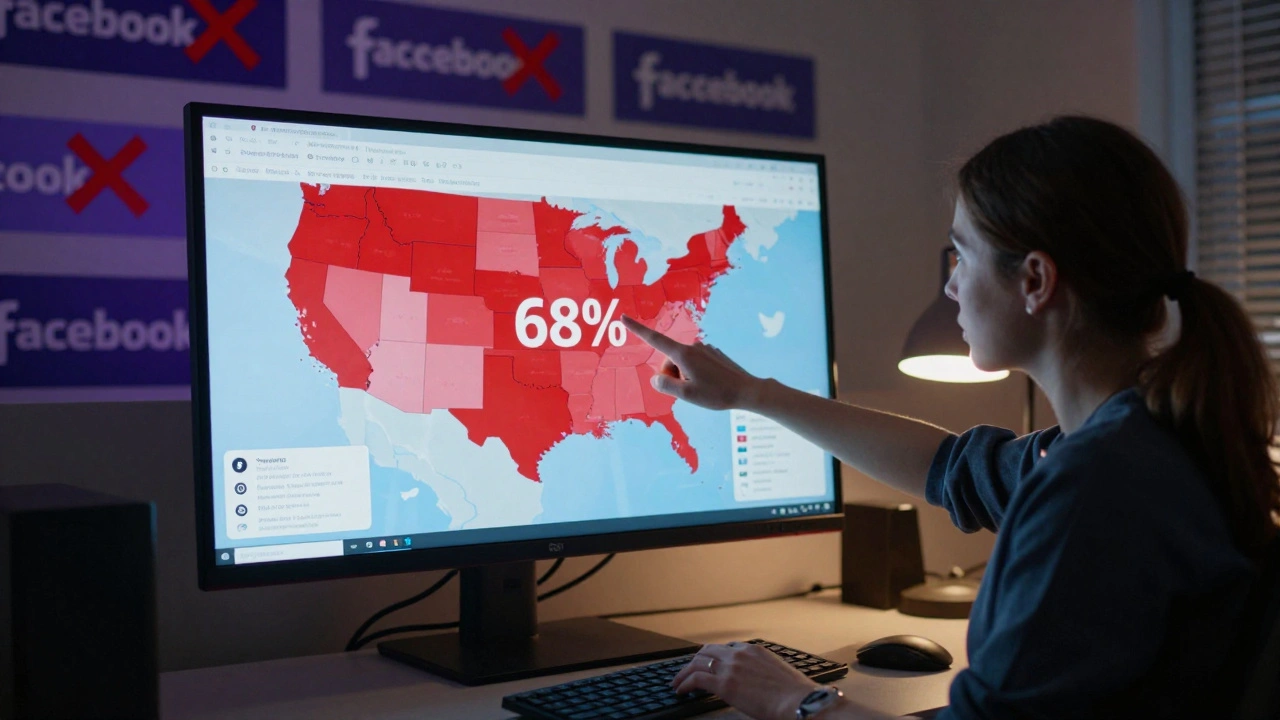
Unlike Substack or Patreon, Telegram doesn’t give you clean data. No UTM parameters. No pixel tracking. No conversion events. Just a channel. And a payment. That’s it. If you’re running a news channel and spending money on ads, you’re flying blind. You might think your Facebook ads are working. But what if 70% of your paid subscribers came from a tweet you forgot you posted? That’s not a guess - it’s what happened to Sarah Johnson, a small news publisher in Oregon. After using InviteMember’s attribution tool, she discovered her Twitter organic posts drove 68% of premium subscribers - not her $8,000/month Facebook ad spend. She reallocated her budget overnight. Revenue jumped 22% in 30 days.
Why Telegram Attribution Is Broken (And Why It Matters)
Telegram is built for privacy. End-to-end encryption. No tracking. No cookies. That’s great for users. Terrible for publishers trying to prove ROI. Most attribution tools rely on clicks, pixels, and redirects. Telegram blocks all of that. When someone joins your paid channel, there’s no referrer. No source tag. No way to tell if they came from a Google ad, a WhatsApp group, or a friend’s invite link.
Telegram’s own ad platform only tracks impressions - not subscriptions. You can pay to show your channel to 100,000 people, but you won’t know if one person signed up. That’s like buying billboard space and not knowing if anyone stopped to read it. For publishers, this isn’t just inconvenient - it’s financially dangerous. A 2025 Reuters Institute survey found 63% of news organizations struggle to measure campaign effectiveness on Telegram, compared to just 22% on X (formerly Twitter). Without accurate data, you can’t optimize. You can’t scale. You’re just guessing.
How Attribution Actually Works on Telegram (Right Now)
There are only two ways to track subscriptions reliably on Telegram today: Mini-Apps and third-party tools.
Mini-Apps are lightweight web apps that run inside Telegram. Think of them as landing pages that live inside the app. Publishers use them to capture user data before the subscription happens. For example, a user clicks a link from Twitter → lands on a Mini-App → enters their email or selects a source (e.g., “I heard about this on Reddit”) → then gets redirected to the paid channel. The Mini-App logs the source. That’s how you get attribution. Affise MMP and InviteMember both use this method. Accuracy? Up to 85% when done right.
Third-party tools like InviteMember and Affise MMP are the only solutions that fill the gap. They integrate with Telegram’s Bot API and Stars payment system. They don’t break encryption - they work around it by collecting data at the point of entry, not after. InviteMember’s October 2025 update added “Revenue Attribution Tracking,” which shows exactly which marketing channel brought in which subscribers. G2 reviews show a 4.2/5 rating from 87 publishers. The top praise? “Finally saw where our money was going.”
But here’s the catch: direct channel links (like t.me/yournewschannel) have only 55% tracking accuracy. Why? Because users can join without touching any tracking system. That’s why enterprise publishers with 100,000+ subscribers are 3.2x more likely to use Mini-Apps than small creators. They have the resources to build them. Smaller publishers? They’re stuck with guesswork.
What You Can Track (And What You Can’t)
Let’s be clear: you can’t track everything. But you can track enough to make smart decisions.
- Can track: Which marketing channel (Twitter, email, paid ads) drove a subscription - if the user came through a Mini-App.
- Can track: Subscription tier (Basic $5 vs. Premium $15) and revenue per source.
- Can track: Retention rates by acquisition source (e.g., users from Reddit stay longer than those from ads).
- Cannot track: How a user found your channel if they joined directly (via a link shared in a private group, for example).
- Cannot track: iOS users reliably due to Apple’s App Tracking Transparency. Accuracy drops 15-20% on iPhones.
- Cannot track: Users who join after 7 days. Most tools only track conversions within a 7-day window.
That last one matters. If someone sees your ad on Monday, doesn’t subscribe, then joins your channel on Friday after reading a friend’s post - you won’t know. That’s a gap. But it’s the same gap every publisher faces.
Real-World Setup: How to Get Started
You don’t need a team of developers. But you do need to pick a tool and follow steps.
- Choose a provider: InviteMember or Affise MMP. Both support Telegram Stars. InviteMember is easier for beginners. Affise gives deeper analytics.
- Create a Telegram Mini-App using their template. It takes 2-3 hours.
- Set up unique links for each campaign. Example:
t.me/yournewsbot?source=twitterandt.me/yournewsbot?source=email. - Link your Mini-App to your paid channel. Users must go through the Mini-App to subscribe.
- Run a 30-day test. Track where subscribers come from. Adjust your budget.
InviteMember says 78% of publishers get basic attribution working in 3 weeks. The hardest part? Changing your mindset. You can’t rely on “I think this worked.” You need data. Even imperfect data is better than none.
What Works Best: A Comparison
Here’s how the top three approaches stack up as of November 2025:
| Solution | Accuracy | Setup Time | Cost | Best For |
|---|---|---|---|---|
| Telegram Native Ads | 0% (impressions only) | Instant | $0 (but no conversion data) | Brand awareness only |
| Direct Channel Links | 55% | Instant | $0 | Small creators with no budget |
| InviteMember | 80-85% | 2-3 weeks | $99-$299/month | News publishers, small to mid-sized |
| Affise MMP | 85-92% | 3-4 weeks | $200-$800/month | Enterprise publishers, high-volume channels |
Notice something? The most accurate tools cost money. But so does guessing. The Moscow Times spent $15,000 on ads they thought were working. After using Affise, they found 80% of their conversions came from Twitter. They cut Facebook ads and doubled down on Twitter. Revenue rose 32% in 45 days.

The Future: What’s Coming in 2026
Telegram isn’t ignoring this. In November 2025, they announced “Superchannels” with enhanced analytics. No details yet. But rumors point to blockchain integration - possibly with Toncoin - to create tamper-proof, privacy-safe subscription records. That could be huge. If true, it would mean accurate attribution without breaking encryption.
Meanwhile, Affise released version 2.3 of their SDK on December 1, 2025, adding cross-device tracking. That means if someone sees your ad on their phone and subscribes on their laptop, you’ll know it’s the same person. That’s a big leap.
By 2027, Gartner predicts Telegram will support 90%+ accurate attribution. But until then, you’re in the wild west. The publishers who win aren’t the ones with the biggest budgets. They’re the ones who use the tools that exist - and adapt fast.
What Happens If You Do Nothing?
James Wilson, a media executive in Chicago, posted on Reddit in June 2025: “We lost 40% of our marketing budget last quarter because we couldn’t tell which campaigns worked.” He didn’t fix it. He just kept spending. His subscriber growth flatlined. His ad spend doubled. His profit? Down 18%.
That’s the risk. You can’t grow a paid news channel without knowing where your money goes. Telegram’s privacy-first model is a strength. But it’s also a trap if you treat it like a black box. You don’t have to sacrifice privacy to get data. You just need the right tools.
Right now, the market for Telegram attribution tools is growing at 35% per year. It’ll be a $280 million industry by 2028. The publishers who get in early aren’t just tracking subscriptions. They’re building trust with their readers - and their investors.
Can I track Telegram subscription sources without using third-party tools?
No, not reliably. Telegram doesn’t provide native attribution for subscriptions. You can use unique invite links, but they only work if users join through them - and many don’t. Without a Mini-App or third-party SDK, you’ll miss 40-60% of your conversion data. If you’re serious about growing paid subscriptions, you need a tracking tool.
Is it legal to track Telegram subscribers under privacy laws?
Yes - if you don’t break Telegram’s encryption or collect personal data without consent. Tools like InviteMember and Affise only collect the source of the click (e.g., “Twitter”) and subscription details. They don’t access messages, phone numbers, or private chats. This complies with GDPR and the EU’s Digital Services Act. Always check your provider’s privacy policy. Avoid any tool that asks for your users’ phone numbers or chat history.
Why is iOS attribution less accurate than Android?
Apple’s App Tracking Transparency (ATT) blocks apps from tracking users across other apps and websites. Since Telegram on iOS uses Apple’s framework, third-party tools can’t access device identifiers or ad IDs. This reduces tracking accuracy by 15-20% on iPhones compared to Android. The fix? Use Mini-Apps that ask users to manually select their source - it’s less automated but more reliable on iOS.
How much does attribution cost for a small news channel?
For a channel with under 10,000 subscribers, you can start with InviteMember’s basic plan at $99/month. That includes source tracking, revenue reporting, and integration with Telegram Stars. Most small publishers see a return on investment within 2-3 months by reallocating ad spend based on real data. Don’t wait for perfection - start with what’s affordable and upgrade as you grow.
What’s the biggest mistake publishers make with Telegram attribution?
Assuming that because a user clicked a link from an ad, they subscribed because of it. Attribution isn’t about clicks - it’s about conversions. Many users see an ad, forget about it, then join later through a friend’s message. Without a 7-day tracking window and a Mini-App, you’ll overcredit ads and undercredit organic growth. Always use a combination of tracking tools and manual source selection to get the full picture.
If you’re running a news channel on Telegram and charging for access, you owe it to your readers - and your bottom line - to know where your subscribers come from. The tools exist. The data is there. You just have to use it.