Telegram has become a lifeline for independent news channels, especially in countries where press freedom is under threat. But with over 750,000 active news and information channels on the platform, attackers are targeting them more than ever. In 2025 alone, there were 147 verified attacks on Telegram news channels - up 38% from the year before. These aren’t random hackers. They’re state-backed actors, criminal groups, and impersonators using bots to steal journalist credentials, spread disinformation, and harvest subscriber data. If you run a news channel on Telegram, your biggest threat isn’t a lack of followers - it’s a malicious bot that looks just like a legitimate one.
Why Telegram Bots Are a Security Nightmare for News Channels
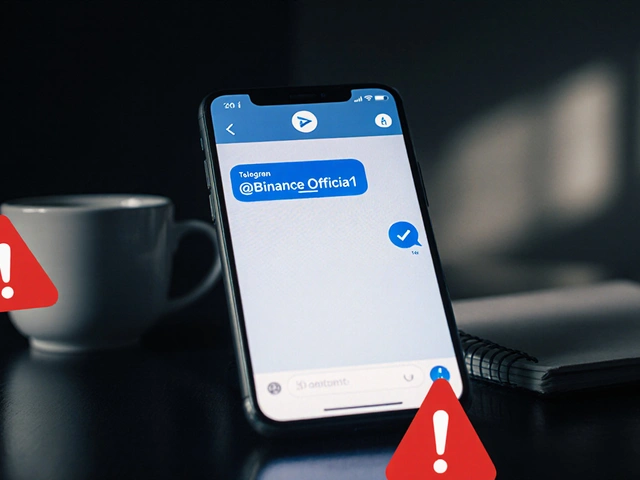
Telegram’s Bot API lets anyone create automated accounts that can message users, send files, or even reply to commands. That’s useful for automating alerts or moderating groups. But it’s also a goldmine for attackers. Malicious bots can send direct messages (DMs) to anyone who subscribes to your channel - even if they never interacted with the bot first. No warning. No consent. Just a message that says, “Verify your account,” “Click here for exclusive reports,” or “Your channel has been compromised.” These aren’t clumsy phishing attempts. They’re surgical. In April 2025, attackers used a fake verification bot to trick 2,300 journalists and sources from the Belarusian channel NEXTA into handing over their Telegram login details. The bot looked official. It had the right logo, the right tone, even a verified developer tag. Once clicked, it harvested credentials and gave attackers full access to the channel. The real problem? Telegram doesn’t encrypt bot communications end-to-end. Your messages, files, and even user data sent between your channel and a bot are only protected by server-side encryption. That means if a bot is compromised - or if it’s malicious from the start - everything it receives can be intercepted. Even worse, many bots use buttons that trigger hidden code. A simple “Confirm” button can run SQL injection attacks, steal cookies, or redirect users to malware sites.What You Must Do Right Now: 5 Basic Security Steps
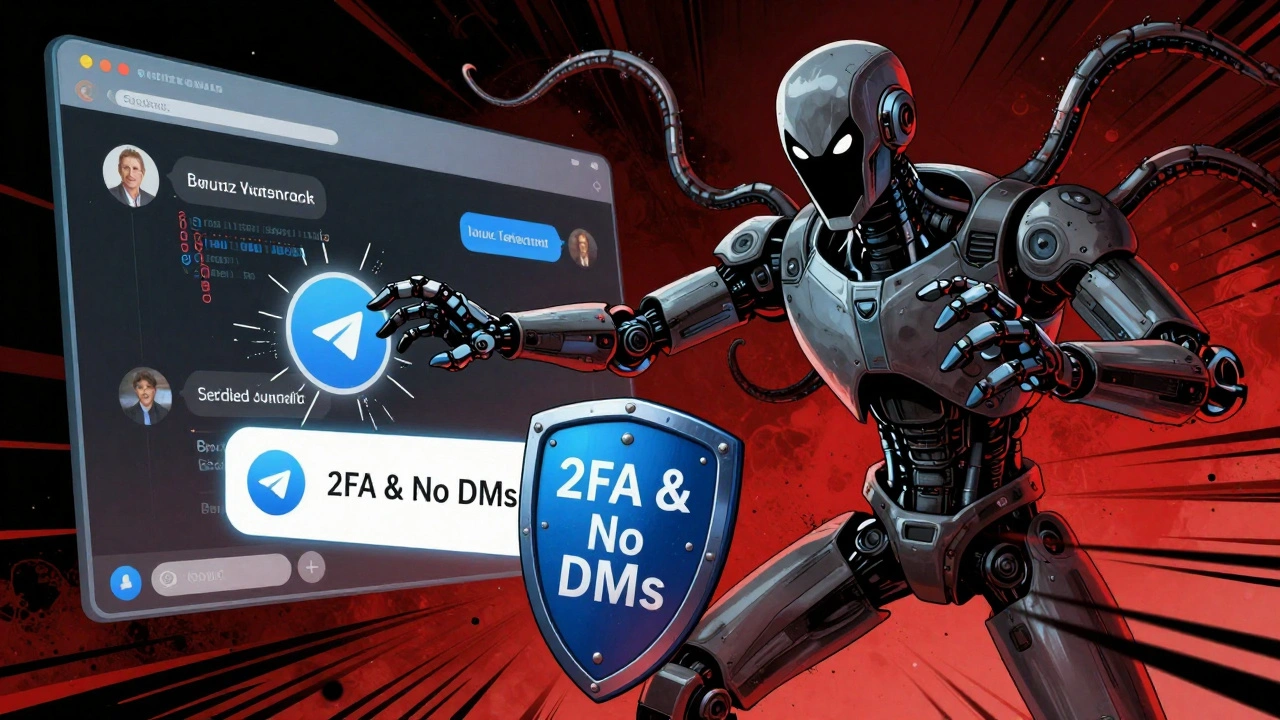
You don’t need to be a tech expert to protect your channel. Start with these five steps - they take less than three hours and block 90% of common attacks.- Enable two-factor authentication (2FA) for your channel admin account. Go to Settings > Privacy and Security > Two-Step Verification. Set a strong password - not your email, not your birthday. This stops attackers from taking over your channel even if they get your phone number.
- Restrict who can add links to your channel. In Settings > Privacy and Security > Forwarded Messages, change “Who can add a link to my account when forwarding my messages” to “My Contacts.” This prevents bots from spreading your channel’s link to new victims.
- Disable auto-download for media. In Settings > Data and Storage > Auto-Download Media, turn off automatic downloads for all file types. Malicious files disguised as PDFs, videos, or images are a top delivery method for spyware.
- Turn off P2P calls. Go to Settings > Privacy and Security > Calls, and set “Who can call me” to “My Contacts.” Telegram calls can expose your IP address, which attackers use to track your location or launch network attacks.
- Never interact with bots via DM. This is the most critical rule. If a bot messages you first - even if it looks official - don’t click anything. Don’t type /start. Don’t press buttons. Don’t reply. Only use bots in public channels where you initiate the command. As the OSINT Team warns: “Never activate (via /start) any Telegram bot!”
Security Bots That Actually Work - And Which Ones to Avoid
If you’re running a high-risk news channel - covering politics, corruption, or human rights - you need more than basic settings. You need a security bot designed for journalists. Alessia Bot (v4.2.1) is the most trusted option. It scans incoming messages across Telegram, WhatsApp, Discord, and Twitch for known threat actors. It uses a live blacklist of over 127,000 verified malicious accounts and removes them in real time. MediaZona, a Russian independent outlet, blocked 47 impersonation attempts in Q4 2025 using Alessia. The enterprise plan costs $29.99/month and includes 24/7 support. BotPenguin offers a more comprehensive suite: secure API integrations, controlled data access, and privacy-focused chatbot configurations. It’s used by 147 news organizations and reduced unauthorized access by 92% in their case studies. But it’s pricier at $49.99/month and has a steep learning curve for non-technical staff. Dr.WEB Bot is free and good at scanning links and files for malware. But it doesn’t monitor across platforms or detect social engineering. If you’re on a tight budget, it’s better than nothing - but don’t rely on it alone. Avoid community bots. Open-source or abandoned bots are dangerous. If the code hasn’t been updated in six months, it likely has unpatched vulnerabilities. In 2025, a bot called “SecureNewsBot” was widely used by small channels - until researchers found it was secretly logging user IDs and selling them on dark web forums.The Hidden Cost: False Positives and Audience Lockout
Security tools aren’t perfect. One of the biggest complaints from newsrooms is false positives - legitimate sources flagged as threats. In 2025, 68% of news organizations reported at least one incident where a security bot blocked a real whistleblower or source because their message matched a suspicious pattern. This is especially dangerous for channels covering sensitive topics. If your security bot blocks a message from a key informant, you might miss a critical story. The solution? Always have a backup communication channel. Use Signal for sensitive tips. Set up a secure email address. Train your team to recognize when a bot might be wrong. Also, don’t lock out your audience. Too many news channels make their settings so strict that new subscribers can’t join. Keep your channel public. Restrict only the dangerous features - DMs, file downloads, call access. Your audience should still be able to read your updates without jumping through hoops.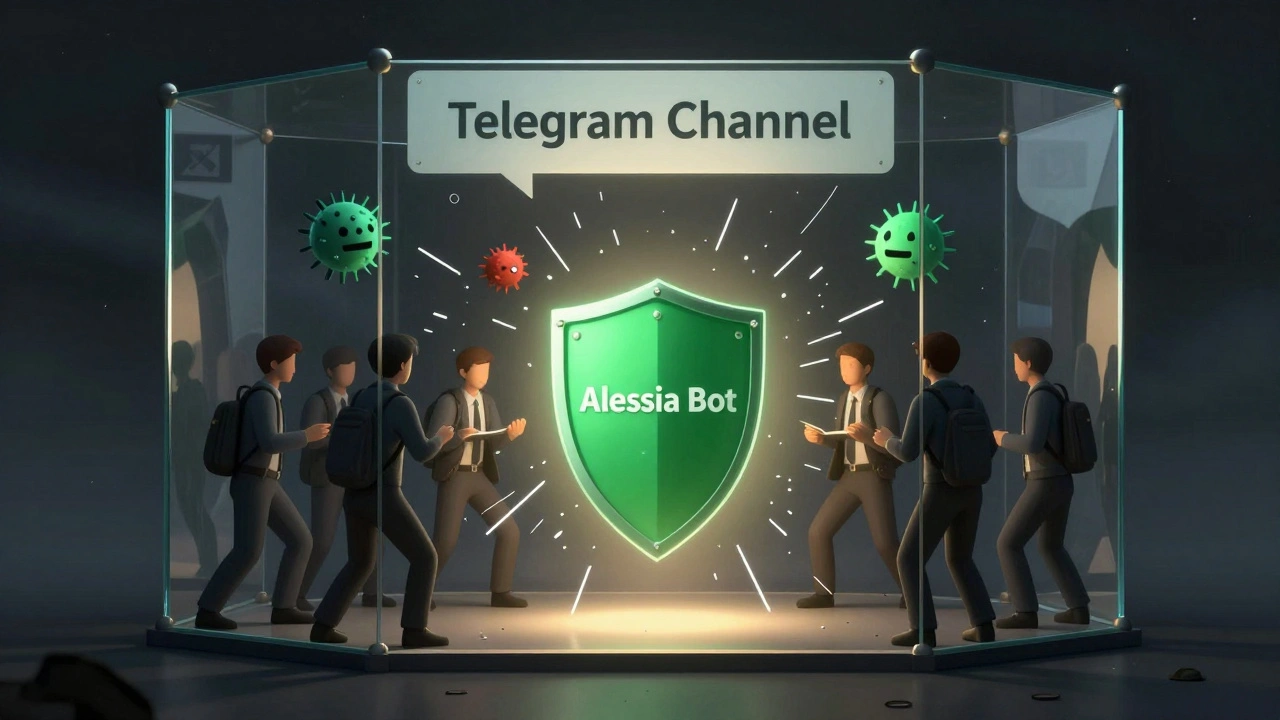
What’s Coming in 2026 - And What You Should Prepare For
Telegram released new bot verification features in January 2026. Now, when you interact with a bot, you’ll see the developer’s name and a verification badge - if they’ve applied for it. This helps, but it’s not foolproof. Attackers can still register as “verified” developers using stolen documents. Alessia Bot’s next update, version 5.0, launches in March 2026. It uses AI to detect social engineering - not just known threats, but suspicious language patterns. If a bot tries to manipulate you with emotional language (“Your life is in danger!” or “This is your last chance!”), it will flag it. Major outlets like The New York Times and BBC are testing systems that automatically flag compromised sources before publishing. This means your security tools will soon integrate directly into your newsroom workflow - not just as a barrier, but as a tool that helps you verify sources faster.Final Advice: Don’t Trust the Platform - Protect Yourself
Telegram isn’t designed for journalism. It’s designed for mass communication. Its security model is built for casual users, not reporters facing state-sponsored surveillance. Even with the best bots and settings, you’re still vulnerable. If you’re reporting from Russia, Iran, or Belarus, consider using Signal for high-risk communications. Use Telegram only for broadcasting - not for sourcing. Never store confidential documents on your Telegram cloud. Use encrypted external drives or secure cloud services like Proton Drive. The truth is simple: Telegram bot security isn’t about tech - it’s about behavior. The most secure channel in the world is useless if a journalist clicks a link in a DM. Train your team. Rehearse what to do when a bot messages you. Make security part of your daily routine, not an afterthought. Your audience depends on you to stay safe. Don’t let a bot take that away from them.Can a Telegram bot hack my channel just by messaging me?
Yes. Malicious bots can send direct messages to anyone who subscribes to your channel. They don’t need your permission. If you click a link, press a button, or reply, they can steal your login info, install malware, or take over your account. Never interact with bots via DM - even if they look official.
Is Telegram’s end-to-end encryption enough for news channels?
No. Telegram only offers end-to-end encryption in Secret Chats - not in regular channels or bot communications. All messages sent to or from bots are stored on Telegram’s servers and can be accessed by the bot’s owner, hackers, or even government agencies. Treat every bot interaction as unencrypted.
What’s the difference between Alessia Bot and BotPenguin?
Alessia Bot focuses on real-time threat detection across multiple platforms and blocks malicious users automatically. BotPenguin offers deeper integration with newsroom systems, secure API access, and controlled data handling - but it’s more expensive and complex. Choose Alessia for fast, automated protection. Choose BotPenguin if you need enterprise-grade control and support.
Are free security bots safe to use?
Most aren’t. Free bots often lack updates, have hidden data collection, or are abandoned projects with unpatched vulnerabilities. In 2025, a free bot called “SecureNewsBot” was found selling subscriber data. Only use bots from trusted, transparent providers with public code, active development, and clear privacy policies.
How do I know if a bot is fake?
Check the developer name. Official bots usually have a verified badge and a clear profile with contact info. Fake bots often have generic names like “Telegram Support” or “News Verify.” Look for spelling errors, poor grammar, or urgency tactics (“Act now or lose access!”). If in doubt, don’t interact - and report the bot to Telegram.
Should I use Telegram for sourcing sensitive information?
No. Telegram is not secure enough for confidential sources. Use Signal for encrypted one-on-one messaging. Store sensitive documents on encrypted drives or secure services like Proton Drive. Use Telegram only for broadcasting public content - never for gathering tips or sharing classified material.