When you join a Telegram news channel, you’re not just passively reading headlines. You’re part of a living system where every reaction, comment, and share influences what gets covered next. Unlike traditional newsrooms with editors in boardrooms, Telegram news channels thrive on real-time feedback from their audiences. This isn’t accidental-it’s how the most trusted and fastest-growing news channels on the platform stay relevant, accurate, and deeply connected to their communities.
How Feedback Actually Works on Telegram News Channels
There’s no formal survey or editorial meeting. Instead, feedback happens in plain sight. A channel posts a headline about a local election. Within minutes, comments flood in: "This misses the county commissioner’s statement," "Check the city council minutes," "I was there-this is wrong." Some users reply with screenshots of official documents. Others link to threads on X or YouTube. The channel admin sees which comments get the most replies, which ones spark arguments, and which ones are quietly upvoted by dozens of members. That’s the feedback loop.
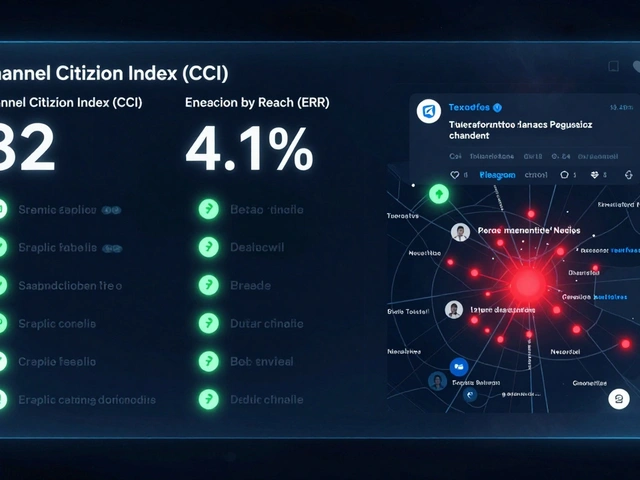
One channel in Michigan, with 87,000 subscribers, tracks which posts get the highest engagement over 48 hours. If a story about school funding gets 300 comments and 1,200 reactions, it gets a follow-up post the next day. If a post about a federal policy gets only 12 replies and 80% of them say "This is already on CNN," the channel drops it. They don’t need focus groups-they have real-time data from their own audience.
The Role of Comments, Reactions, and Cross-Platform Links
Telegram’s comment system isn’t just a place to vent. It’s a source of leads, corrections, and context. A post about a wildfire in California might get replies from residents sharing drone footage, maps of evacuation zones, or quotes from firefighters’ public statements. These aren’t just noise-they’re raw material for deeper reporting.
Studies show that 68% of Telegram news users say the platform helped them better understand current events. Why? Because they’re not just consuming news-they’re helping shape it. The most active channels treat their comment sections like a live newsroom. Editors tag trusted contributors: "@MikeFromSacramento verified this document," or "@LizLawyer clarified the legal timeline." Over time, these users become unofficial correspondents.
And it’s not just inside Telegram. A 2022 study of Dutch Telegram channels found that users frequently link to YouTube videos, Twitter threads, and even mainstream news sites-not because they trust them, but because they’re using them to challenge or confirm what’s being shared. This cross-platform dialogue creates a feedback loop that stretches beyond Telegram’s walls. A channel might post a claim about a political scandal. Someone replies with a link to a BBC investigation. The channel then posts a follow-up: "BBC confirms X, contradicts Y." That’s how accuracy builds.

Why Some Channels Fail (And How the Best Ones Adapt)
Not all Telegram news channels survive. The ones that fade are usually the ones that ignore feedback. They post the same headlines every day. They delete critical comments. They treat their audience like a broadcast list, not a community.
The successful ones do three things differently:
- They reward accuracy, not just engagement. A post that gets 500 likes but is factually wrong gets buried. A post with 80 likes that corrects a major error gets pinned.
- They invite contributors. Top channels have a private group for trusted members who submit tips, documents, or eyewitness reports. These people get early access to stories and are credited by name.
- They admit mistakes publicly. When a channel gets something wrong, they post: "Correction: We reported X. Here’s the correct info from Y source. Thanks to @User for catching this." That builds trust faster than any headline ever could.
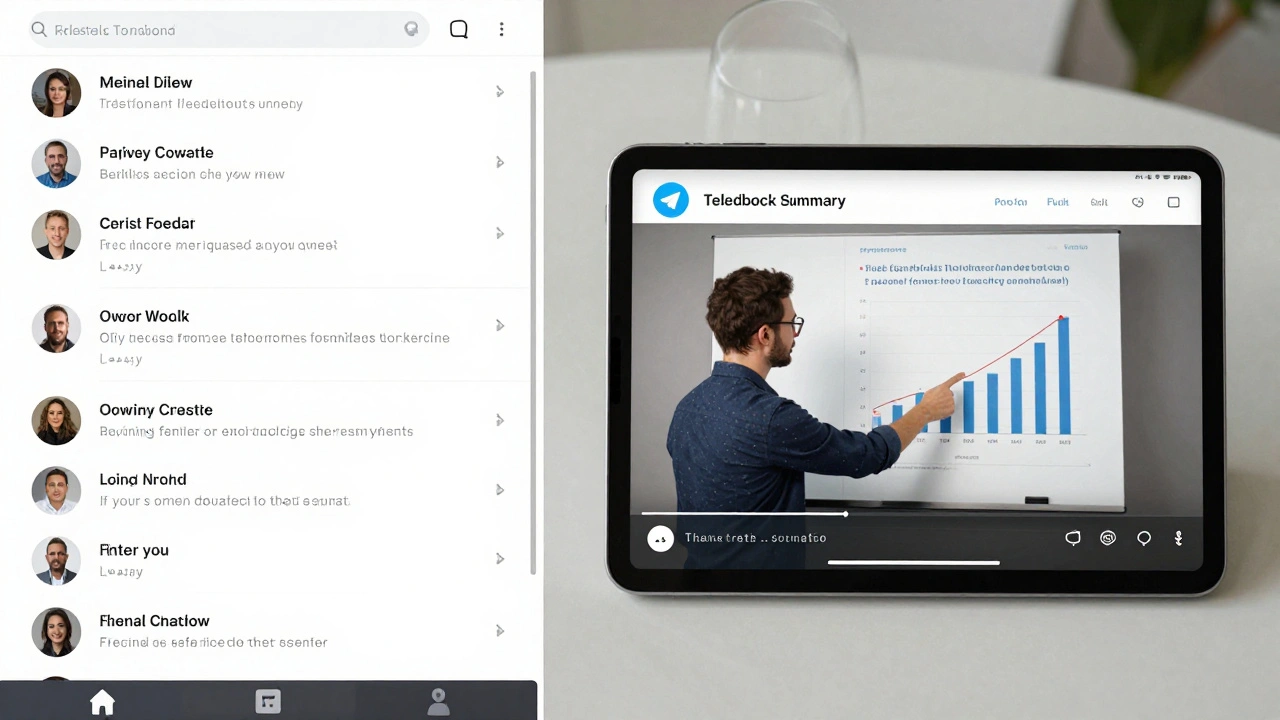
One channel in Texas, started by a former newspaper reporter, now has 210,000 subscribers. They post a weekly "Feedback Summary"-a short video where the editor highlights the top 5 comments from the week, explains how they changed coverage, and thanks the users who helped. That’s not a gimmick. It’s a strategy. And it works.
Algorithmic Bias and the Hidden Feedback Loops
Telegram doesn’t have a feed algorithm like Facebook or TikTok. You only see what you subscribe to. But that doesn’t mean there’s no influence. The platform’s "similar channels" feature recommends new channels based on what you follow. If you join a channel covering police reform, you might get recommended one focused on anti-government militias. That’s not a bug-it’s a feature of how communities form.
This creates a hidden feedback loop. Users don’t realize they’re being nudged into echo chambers. A channel that starts as "local crime updates" might slowly drift into conspiracy content because its most active commenters keep pushing for "deeper truths." The admin, wanting to keep engagement high, starts posting more of what gets reactions. Over time, the editorial focus shifts-not because of a deliberate decision, but because of silent, algorithmic pressure.
The smartest editors fight this by diversifying their sources. They’ll post a story from a mainstream outlet alongside a community-submitted report. They’ll invite users from different viewpoints into their private discussion group. They don’t avoid controversy-they manage it.
Building Trust Through Transparency
Trust on Telegram isn’t built by logos or bylines. It’s built by consistency, humility, and responsiveness. A channel that corrects errors, credits sources, and listens to its audience becomes more credible than any newsroom with a Pulitzer.
Here’s how the top 10% of Telegram news channels do it:
- They tag sources: "Source: City Hall press release, posted 2/18/2026, 3:42 PM"
- They show their work: "We called three officials. Two didn’t respond. One confirmed this."
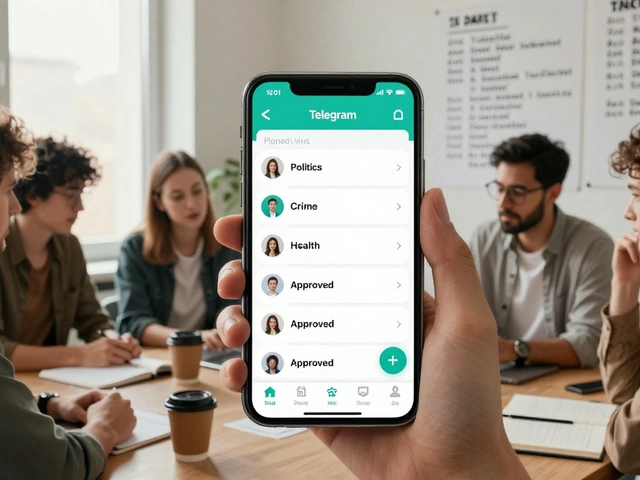
- They let users vote on story priorities: "Which should we cover next? A) School budget B) Police body cam release C) City council corruption? Reply with 1, 2, or 3."
- They post "Why we didn’t cover this": "We saw this claim on 3 channels. All sources were anonymous. We’re waiting for verification. We’ll update if it changes."
These aren’t fancy tactics. They’re basic journalism-done in public, in real time, with the community as co-editors.
What You Can Learn From Telegram’s Best News Channels
You don’t need 100,000 subscribers to build a feedback loop. Start small:
- Ask your audience: "What should we cover next?" Every Monday.
- Pin one comment per post that adds real value-then reply to it.
- When you make a mistake, post a correction. Don’t hide it.
- Create a private group for your most active contributors. Give them early access.
- Track what gets the most replies-not just likes. Replies mean engagement. Likes mean passive scrolling.
Telegram news channels prove that the best editorial planning isn’t done behind closed doors. It’s done in the comments. It’s done in the DMs. It’s done when you listen more than you talk.
The future of news isn’t just automated headlines or AI summaries. It’s human. It’s community-driven. And it’s already happening-right now-on Telegram.
Latest Posts