The phone buzzes. A video lands in your group chat. It shows smoke rising from a building, screams in the background, and a caption claiming an airstrike just hit a residential area. You are sitting in Asheville, thousands of miles away, but the footage feels immediate. Your finger hovers over the 'forward' button. Do you share it to warn others? Or do you wait, risking being called slow if it turns out to be old footage from a different conflict?
This is the daily reality for citizen journalists who use decentralized messaging platforms like Telegram to report on crises without institutional backing. In 2026, the line between professional newsrooms and individual reporters has blurred. During major conflicts, such as the recent wars in Ukraine and Gaza, Telegram became a primary real-time information dissemination platform that bypasses traditional media gatekeepers. But with this power comes a heavy ethical burden. Unlike established news organizations, you likely don’t have a legal team, a fact-checking department, or an editor-in-chief to stop you from publishing unverified claims.
The tension here is simple but dangerous: speed versus accuracy. If you prioritize speed, you might spread misinformation that harms innocent people. If you prioritize accuracy, you might miss the window to inform the public about an ongoing danger. This guide breaks down how to navigate these waters, protecting both your audience and yourself while maintaining integrity in crisis reporting.
The Speed Trap: Why Verification Matters More Than Ever
In traditional journalism, there is a concept called the "duty to verify." It means you check facts before you publish them. On Telegram, this rule is often ignored in favor of virality. A 2025 study published in the Journal of Communication analyzed channels during the Israel-Hamas war and found a stark divide. Some channels delayed posting until they could confirm details, building long-term trust. Others posted immediately, chasing engagement, and often had to retract stories later-or worse, never corrected them at all.
When you post unverified content, you aren't just sharing a guess. You are influencing public perception, potentially triggering panic, or even affecting military decisions. Military censorship laws exist for a reason; releasing coordinates or troop movements can get people killed. As a citizen journalist, you must ask: "What is the potential harm of this specific piece of information?"
To avoid the speed trap, adopt a personal verification protocol:
- Cross-reference sources: Does another independent channel show the same event from a different angle?
- Check timestamps: Use metadata tools to see when the video was actually recorded. Old footage resurfaces frequently during new conflicts.
- Geolocate the scene: Look for landmarks, street signs, or unique architectural features to confirm the location matches the claim.
- Wait for context: Resist the urge to add commentary until you know what happened. Stick to observable facts first.
If you cannot verify a claim within a reasonable timeframe, label it clearly as "unverified" or "alleged." Never present speculation as fact. Your credibility is your only currency in the decentralized media landscape.
Privacy and Dignity: The Human Cost of Viral Content
Crisis reporting is not just about buildings and bullets; it is about people. One of the most critical ethical failures on social media is the violation of privacy. When a tragedy occurs, images of victims, grieving families, or injured individuals often circulate rapidly. Sharing these images without consent causes secondary trauma to those involved and their loved ones.
The Israeli Code of Ethics emphasizes the principle of reputation protection, requiring journalists to ensure reporting does not unjustifiably harm individual reputations. While you may not be bound by this specific code, the moral obligation remains universal. Before posting any image or video containing identifiable people, consider:
- Consent: Did the person agree to be filmed? In chaotic situations, implied consent is rarely valid.
- Necessity: Is showing this person's face essential to the story? Often, blurring faces or cropping out identities preserves the truth of the event without violating dignity.
- Impact: Could this image lead to harassment, doxxing, or retaliation against the subject?
If you interview someone, be transparent about how their words will be used. The Independent Media Association stresses that subjects deserve to know if their quotes will appear in opinion pieces or analysis, not just straightforward reporting. Misrepresenting someone’s words to fit a narrative is a breach of trust that can destroy your reputation permanently.
Transparency and Identity: Who Are You Really?
Anonymity is a double-edged sword. For many citizen journalists, hiding their identity protects them from retaliation by state actors or hostile groups. However, anonymity also erodes accountability. Readers need to know who is providing information to assess bias and reliability.
You should strive for transparency wherever possible. Identify yourself clearly as a reporter, not just a random user. Explain your location, your perspective, and any potential biases. If you are embedded with a specific group, say so. If you are an independent observer, state that. This honesty helps your audience contextualize your reports.
Furthermore, be honest about your limitations. If you are not a trained journalist, admit it. Say, "I am a local resident documenting what I see," rather than posing as a professional correspondent. This distinction manages expectations and reduces the likelihood of misinterpretation. Professional identification fosters constructive discourse and builds a community of trust around your channel.
Safety First: Protecting Yourself and Your Sources
Ethical reporting also includes keeping yourself and your sources safe. Telegram is often perceived as secure, but it is not inherently end-to-end encrypted for all chats. Only "Secret Chats" offer end-to-end encryption. Group chats and cloud-based messages are stored on Telegram servers and can be accessed by authorities under certain legal conditions.
To protect sensitive information:
- Use Secret Chats: For communicating with sources or sharing raw data, always use Secret Chats. These messages cannot be forwarded or saved to the cloud.
- Avoid Metadata Leaks: When sharing photos or videos, strip metadata (EXIF data) that might reveal GPS coordinates or device information. Most smartphones allow you to disable this automatically.
- Operational Security (OPSEC): Be mindful of what you post publicly. Even indirect clues, like a reflection in a window or a unique landmark, can help adversaries locate you.
- Source Protection: Never reveal the identity of sources who provided information off-the-record. If a source fears retaliation, their safety must take precedence over the story.
The Reuters Institute recommends mapping network structures to understand who controls which channels. Knowing the political or business interests behind a channel can help you identify potential manipulation tactics. Stay aware of the broader ecosystem you are operating in.
Fighting Misinformation: A Collective Responsibility
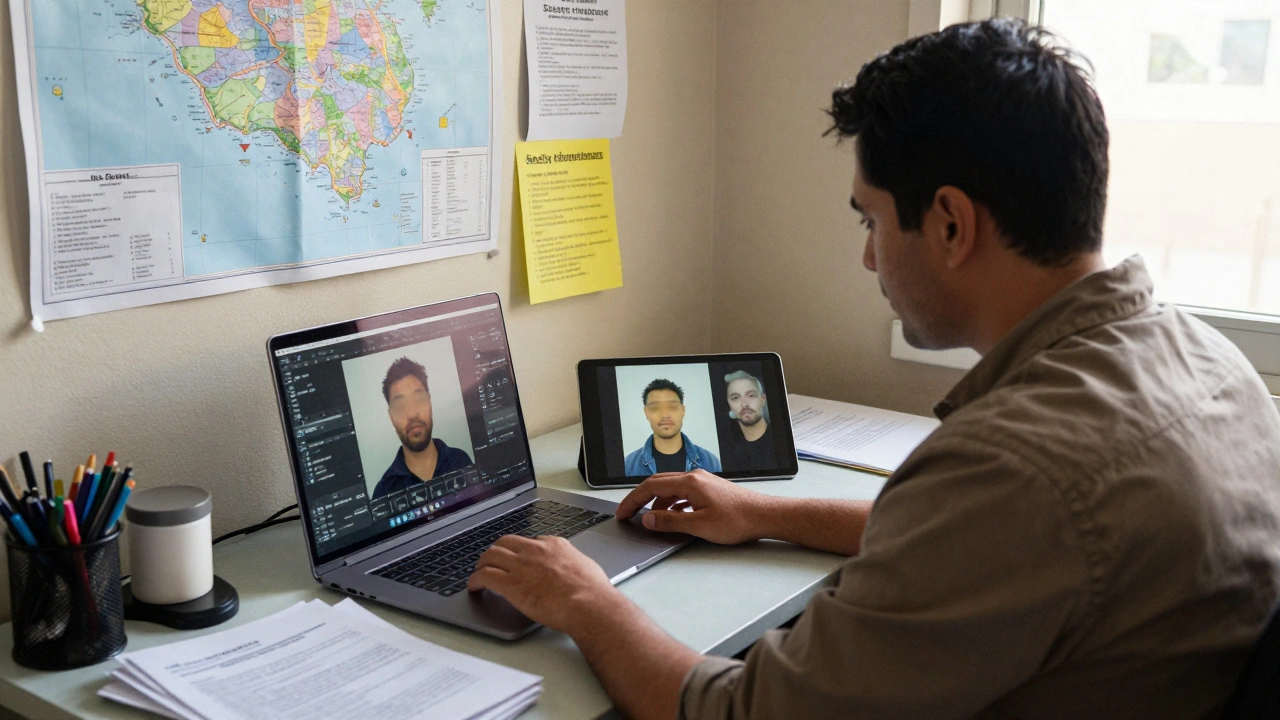
Misinformation spreads faster than truth because it is often more sensational. As a citizen journalist, you play a key role in slowing this down. When you encounter false information, do not simply ignore it. Engage with it critically. Correct the record with verified facts, but avoid amplifying the lie by repeating it unnecessarily.
Collaboration with mainstream media can enhance reliability. If you witness something significant, consider sending your footage to established news outlets for verification. They have resources to authenticate content and reach wider audiences. Conversely, mainstream outlets often rely on citizen journalists for on-the-ground access. This symbiotic relationship can improve overall information quality.
Additionally, promote media literacy among your followers. Teach them how to spot deepfakes, recognize manipulated images, and question emotional appeals. An informed audience is less likely to fall prey to disinformation campaigns. By educating your community, you contribute to a healthier information ecosystem.
| Scenario | Ethical Question | Recommended Action |
|---|---|---|
| Unverified Video | Can I confirm this is happening now and where? | Label as "unverified" or wait for confirmation. Do not forward without context. |
| Identifiable Victim | Is showing this person's face necessary and consensual? | Blur faces or crop images unless explicit consent is given. |
| Military Movement | Could this information endanger lives? | Do not share precise locations or troop movements. Prioritize safety over news value. |
| Anonymous Source | Is the source credible and protected? | Verify through multiple channels. Protect source identity using Secret Chats. |
Building Trust in a Decentralized World
The future of crisis reporting lies in hybrid models. Purely decentralized reporting lacks accountability, while purely centralized reporting can be slow and biased. The solution is a network of trusted citizen journalists who adhere to shared ethical standards.
Platforms like Telegram are beginning to explore verification systems. Channels that consistently demonstrate ethical behavior could receive badges or certifications. Until then, self-regulation is key. Create a code of conduct for your channel and stick to it. Invite feedback from your audience and correct mistakes openly. Transparency about errors builds more trust than perfection.
Remember, your goal is not just to break news; it is to provide accurate, humane, and responsible information. In times of crisis, clarity saves lives. By prioritizing ethics over speed, you contribute to a more resilient and truthful global conversation.
Is Telegram safe for sharing sensitive crisis information?
Telegram is not fully secure by default. Only "Secret Chats" are end-to-end encrypted. Regular group chats and cloud messages are stored on Telegram servers and can be accessed by authorities. For sensitive information, always use Secret Chats and strip metadata from files.
How can I verify if a video is real or old footage?
Use reverse image search tools to find earlier instances of the video. Check metadata for creation dates. Look for environmental clues like weather, clothing, or landmarks that contradict the claimed date or location. Cross-reference with other independent sources reporting the same event.
Should I blur faces in crisis footage?
Yes, unless you have explicit consent from the individuals shown. Blurring faces protects privacy and prevents secondary trauma to victims and their families. It is an ethical best practice in humanitarian reporting.
What is the difference between misinformation and disinformation?
Misinformation is false information shared unintentionally, often due to lack of verification. Disinformation is false information created and shared deliberately to deceive or manipulate. Both require careful handling to prevent spread.
Can citizen journalists be held legally responsible for what they post?
Yes, depending on local laws. Publishing defamatory content, revealing classified information, or inciting violence can lead to legal consequences. Always consider the legal implications of your posts and consult local regulations when possible.
Latest Posts