Telegram news channels have become a powerful way to reach millions of people quickly. But putting ads in front of those users is tricky. If you overload the feed with promotions, people leave. If you don’t monetize at all, the channel dies. The key isn’t avoiding ads-it’s making them feel like part of the experience, not an interruption.
Telegram Ads Are Different From Other Platforms
Unlike Facebook or YouTube, Telegram doesn’t show ads between every post. There are no pop-ups, no autoplay videos, no banner blindness. Telegram’s official ad system only allows sponsored messages-text-based posts that appear in channels with over 1,000 subscribers. They’re limited to 160 characters, can include images or videos, and only link to Telegram things: bots, channels, or Mini Apps. No external websites. No tracking pixels. No cookie harvesting.
This matters because Telegram users expect privacy and control. A 2025 YouGov study found that 32% of daily Telegram users notice ads more easily than the average adult-meaning they’re paying attention, but they’re also quick to反感. The platform’s design forces advertisers to be precise. You can’t just spray ads everywhere. You have to earn the right to show up.
Mini App Ads Are the New Standard
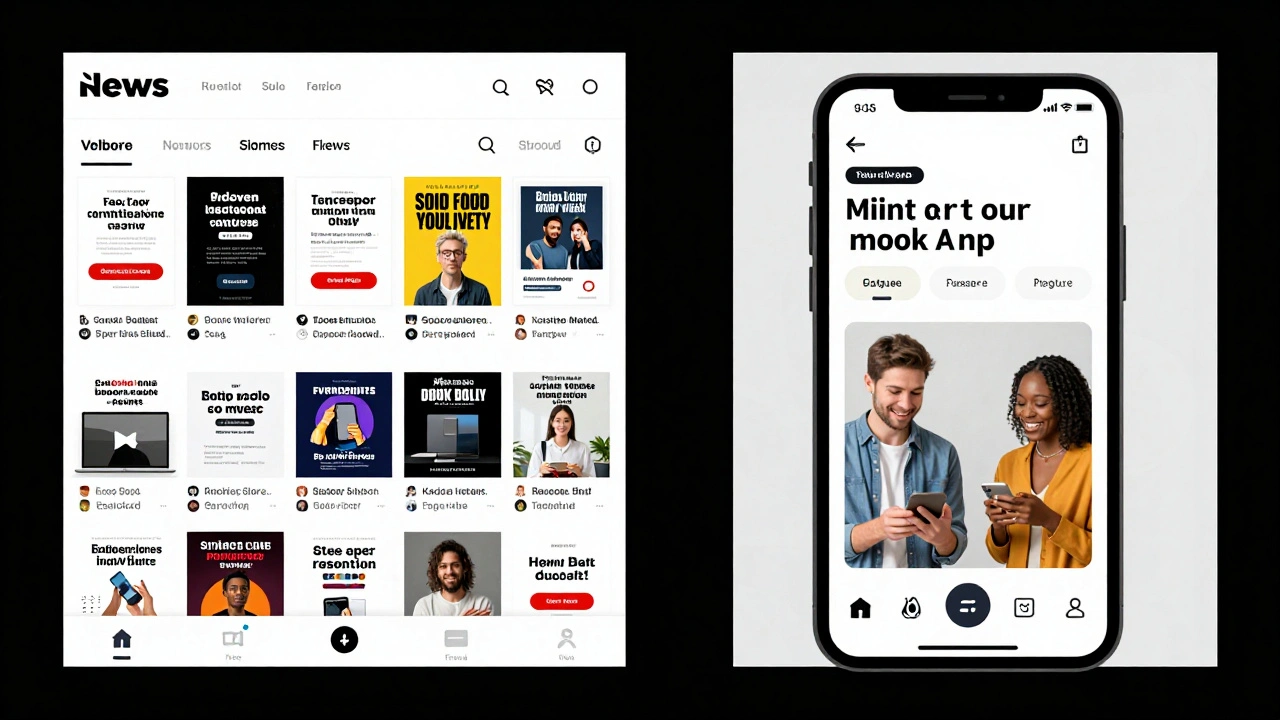
The real breakthrough in balancing ads and experience came with Telegram Mini Apps. These are lightweight, interactive tools built inside Telegram-like games, calculators, or quiz bots. Ads inside them don’t feel like ads. They feel like part of the flow.
There are two main types:
- Rewarded ads: Users watch a short video or complete a task, then get something back-a coin, a power-up, a premium feature. These make up 60-70% of Mini App campaigns and drive the highest engagement.
- Non-rewarded ads: These appear at natural breaks-after a level ends, between screens, or after a timer runs out. They’re subtle, predictable, and rarely annoying.
Why does this work? Because users aren’t being tricked. They know when an ad is coming. And if they don’t want it, they can skip it. PropellerAds reported in 2025 that Mini App ads have click-through rates between 20% and 40%-ten times higher than standard sponsored messages. That’s not because people are gullible. It’s because the system respects their time.
Targeting Is Everything
Telegram’s ad platform lets you target users by location, device, language, and even wallet balance-if they have TON cryptocurrency in their Telegram wallet. You can even target users who’ve seen fewer than two ads in the last week (called UVC targeting). This isn’t just about reaching the right people. It’s about not hitting the same person five times a day.
Frequency capping is built in. You can limit ads to 1-4 times per user per day. That’s not a suggestion-it’s a hard limit. If you try to flood a channel with 10 ads a week, the system won’t let you. This keeps the feed clean. It also means your ads are seen by people who haven’t been burned by too many promotions.
And here’s the kicker: Telegram users are more likely to be tech-savvy, have higher income, and care about privacy. That means they’re not just avoiding ads-they’re avoiding bad ads. If your message is irrelevant, they’ll ignore it. If it’s useful, they’ll click. That’s why CTRs for well-targeted ads hover between 0.9% and 2.4% for sponsored messages, and 20-40% for Mini Apps. The difference isn’t luck. It’s precision.

Don’t Monetize the News. Monetize the Tool.
Many news channels make the mistake of turning every post into a sales pitch. They slap an ad on top of breaking news. They turn a weather update into a promotion for a VPN. That’s not monetization. That’s betrayal.
The smart approach is to separate the content from the commerce. Keep your news feed clean-pure, timely, reliable. Then, build a Mini App that adds value: a daily briefing bot, a local event tracker, a quiz on current events. That’s where you place ads. Users come for the news. They stay for the tool. And when the tool offers them something useful in exchange for watching an ad, they’re happy to do it.
For example, a news channel covering tech trends might launch a Mini App that lets users compare smartphone specs. When they finish comparing, they’re shown a rewarded ad for a new phone case. They get a discount. The advertiser gets a warm lead. The channel earns revenue. Everyone wins.
The Cost of Getting Started
You can’t just sign up and start running ads. Telegram’s official platform requires a minimum spend of €1,500 plus fees. That’s not for small bloggers. It’s for serious publishers and brands. This barrier helps keep low-quality spam out. It forces advertisers to think strategically, not just throw money at the wall.
Third-party platforms like PropellerAds and RichAds make it easier to get started with smaller budgets, especially for Mini Apps. They handle the targeting, the creative, and the analytics. But even then, the best results come from those who treat Telegram users like humans-not data points.
What Happens When You Get It Wrong?
Some channels tried pushing too many ads too fast. One popular tech news channel in Brazil added three sponsored posts a day. Within two weeks, their subscriber growth flatlined. Engagement dropped 40%. Comments flooded in: “This isn’t news anymore. It’s an ad farm.” They had to remove the ads, rebuild trust, and start over.
That’s the risk. Telegram’s community is tight-knit. People trust channels that feel authentic. Once that trust breaks, it’s hard to fix. You don’t lose a few subscribers. You lose your reputation.
On the flip side, channels that use Mini Apps wisely report retention rates of up to 10% higher than those without ads. Why? Because users don’t feel exploited. They feel like participants.
Future of Telegram Advertising
Telegram is slowly integrating its TON blockchain wallet into advertising. Imagine a news channel offering a free daily crypto tip. To unlock it, users watch a 15-second ad and get 0.01 TON as a reward. No personal data collected. No sign-up needed. Just value for value.
This is the future: ads that don’t track you, don’t interrupt you, and actually pay you back. It’s not fantasy. It’s already happening in beta tests across Southeast Asia and Latin America.
Telegram isn’t trying to be the next Google Ads. It’s trying to be the opposite. And that’s why it works.
Three Rules for Success
- Ad less, but better. One high-quality, well-targeted ad per week beats five spammy ones.
- Use Mini Apps, not just sponsored posts. They’re the only format where users actively choose to engage.
- Give back. Whether it’s a discount, a tool, or a reward-make sure the user gains something real.
If you follow these, you won’t just survive on Telegram. You’ll thrive.