Telegram isn't just another messaging app. It’s become the underground pipeline for misinformation - a place where false claims, manipulated videos, and outright lies spread faster than on any other platform. Unlike Facebook or Twitter, Telegram doesn’t flag, demote, or remove content. There’s no algorithm pushing viral posts. Instead, it’s a wild west of encrypted channels, groups with tens of thousands of members, and anonymous accounts that vanish after posting. And because of that, traditional fact-checking methods just don’t work here.
Why Telegram Is a Fact-Checking Nightmare
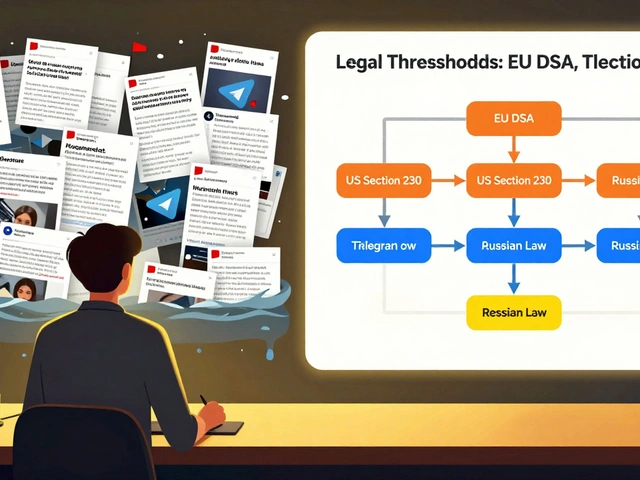
Most fact-checkers started by monitoring Facebook groups or Twitter threads. But when misinformation got shut down there, it didn’t disappear - it moved. Ukrainian fact-checkers at VoxCheck saw it firsthand: after their team debunked a false claim on Facebook, the same story popped up on Telegram within hours. Same content. Same actors. Just a new platform. The problem? Telegram has no public API for tracking viral content. No CrowdTangle. No Meta Newsroom. No way to see what’s trending across channels. Fact-checkers have to manually scroll through hundreds of anonymous channels every day, hoping to catch a lie before it spreads to YouTube, WhatsApp, or Instagram. One researcher called it "sorting everything by hand, which can be very annoying." And with messages flooding in every second, it’s impossible to keep up without help.The Rise of AI-Powered Fact-Checking Tools
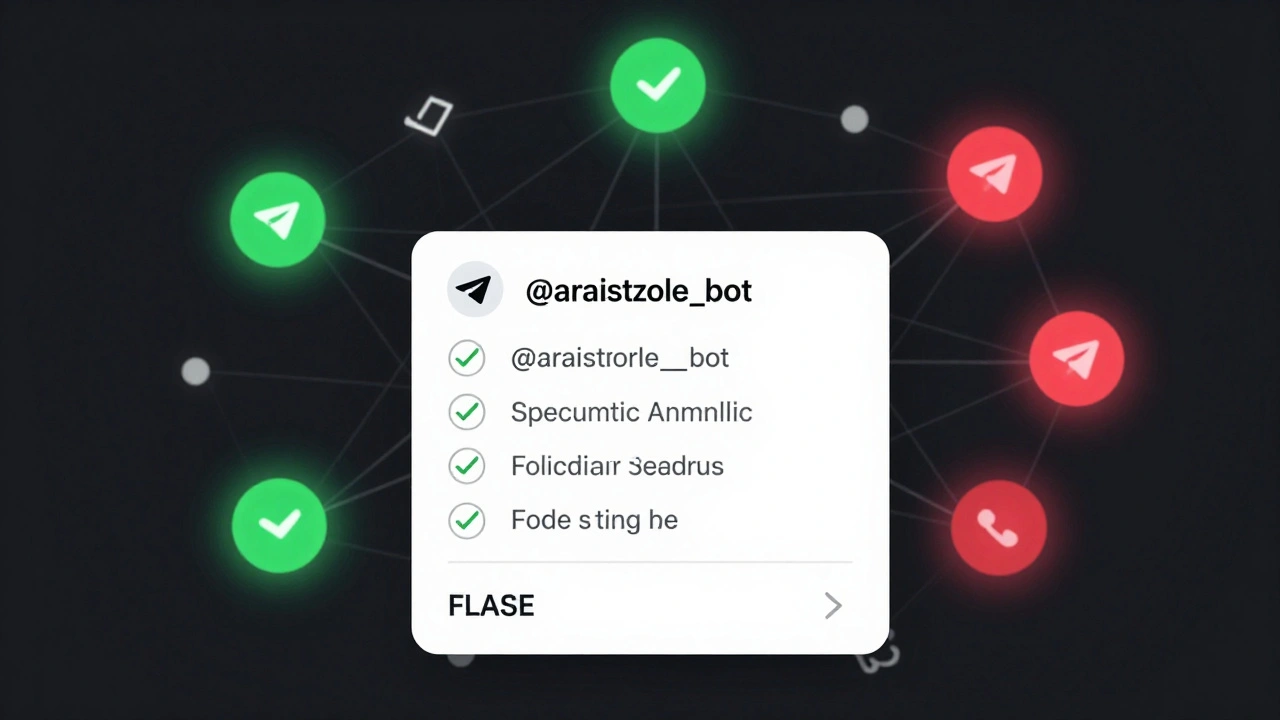
The answer isn’t more people. It’s better tools. Newtral, a Spanish fact-checking team, built FactFlow an AI-powered monitoring system trained on over 1 million messages from 2,000 suspicious Telegram channels. FactFlow scans text, audio, and video in real time. It doesn’t just flag lies - it traces where they came from. Journalists using it have uncovered hidden disinformation networks they never knew existed. What used to take hours now takes seconds. Meanwhile, in the U.S. and India, teams are using ArAIstotle a fact-checking bot that works directly inside Telegram chats. Users can forward a suspicious message to @araistotle_bot, and within seconds, it returns a breakdown: Is this claim true? Where did it come from? What sources back it up? The bot even checks links embedded in videos or voice notes. It costs five credits per check - simple, transparent, and built for scale. These tools aren’t magic. They’re trained on real data. FactFlow used Qwen, an open-source AI model, fed with thousands of real disinformation examples from Telegram. ArAIstotle pulls from the same verification database used by journalists worldwide. That means it’s not guessing - it’s referencing proven fact-checks.Fact-Checking Bots: Bringing Verification to the Source
One of the biggest breakthroughs? Fact-checking that happens inside Telegram - not outside. Before, you’d find a lie on Telegram, fact-check it on your computer, write a report, post it online… and by then, the lie had already gone viral on WhatsApp. The delay was fatal. The Facticity Telegram Bot changes that. It turns every user into a mini fact-checker. You see a claim? You reply to it with/check. The bot responds with a verified verdict. No switching apps. No waiting. No confusion.
It’s not about winning arguments. It’s about restoring shared reality in places where truth is under attack. In India, where coordinated disinformation farms push out content to thousands of groups daily, this kind of real-time intervention is the only way to stop the spread before it hits mainstream platforms.
Stop Repeating Work: NaradaFakeBuster
One of the quietest but most useful tools is NaradaFakeBuster a bot that checks if a claim has already been fact-checked. Imagine five researchers all working on the same false rumor. They don’t know it. They waste hours repeating the same work. NaradaFakeBuster solves that. You type in a headline or phrase. It searches global fact-check databases - Snopes, AFP, Reuters, local outlets - and tells you if it’s already been debunked. No need to reinvent the wheel. Just save time and focus on new threats.The Fake Fact-Check Trap
Here’s the twist: not all fact-checks are real. Russian state-linked channels now run fake "fact-checks" - they make up a story, then "debunk" it themselves. The goal? To make people distrust real fact-checkers. It’s disinformation targeting fact-checking itself. That means any workflow must include source verification. Before you cite a "fact-check" from a Telegram channel, ask: Is this from a known, transparent outlet? Does it link to original sources? Or is it just another layer of the lie?Telegram’s Verification System Is Useless
You might think Telegram’s blue checkmark means something. It doesn’t. Less than 1% of channels are verified. The rest? Mostly anonymous. A channel called "Breaking News Ukraine" might look official - but it could be run by a teenager in Minsk. There’s no way to tell. That’s why fact-checkers can’t rely on platform labels. They need their own authentication system: checking who owns the channel, when it was created, what other channels it shares content with, and whether it’s been flagged by other teams.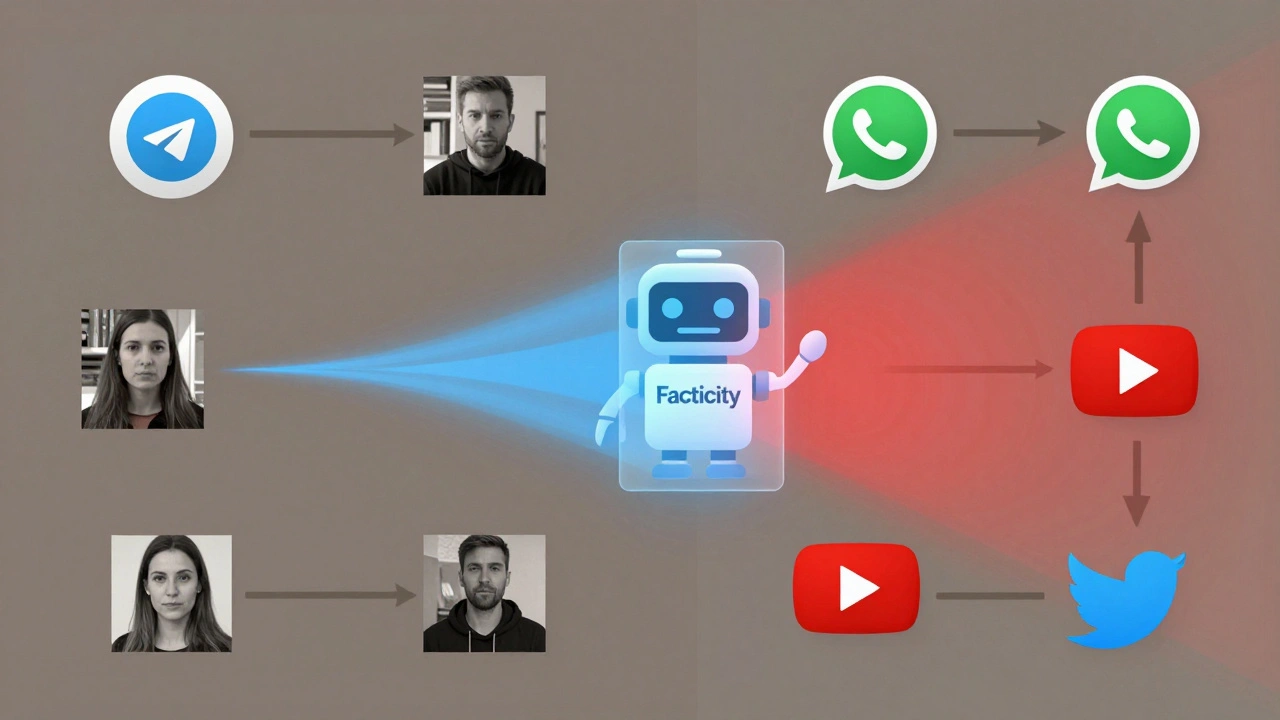
Prebunking: Stopping Lies Before They Start
The best fact-checking doesn’t happen after the lie spreads. It happens before. Indian fact-checkers at Newschecker.in noticed something: coordinated misinformation campaigns on Telegram often start with a single group. That group shares content to 20 others. Those 20 share it to 100. Then it explodes on Twitter. So they started monitoring those small, early groups. When they spotted a new false narrative - say, a fake video of a bombing - they didn’t wait. They created a fact-check, posted it in the same channel, and tagged the group admins. Within hours, the lie was neutralized before it ever left Telegram. This is called prebunking. It’s not about reacting. It’s about getting ahead of the curve.What You Can Do Today
You don’t need to be a journalist to help. Here’s how to start:- Add @araistotle_bot to your Telegram. Use it to check any suspicious message.
- If you run a news channel, encourage members to use
/checkon claims before sharing. - Use NaradaFakeBuster to avoid repeating fact-checks.
- Report fake channels to trusted fact-checking networks - they’re building databases.
- Don’t trust blue checkmarks. Always verify the source behind the message.
It’s Not About Perfect Accuracy - It’s About Slowing the Spread
No tool can catch every lie. Telegram moves too fast. But you don’t need to catch them all. You just need to slow them down. Fact-checking on Telegram isn’t about winning. It’s about making lies harder to spread. Every time someone uses a bot to check a claim, every time a journalist traces a lie back to its source, every time a group admin deletes a false post - you’re weakening the system. The goal isn’t to erase misinformation. It’s to make it too costly to keep pushing.Can I use these fact-checking tools if I’m not a journalist?
Yes. Tools like the Facticity Telegram Bot (@araistotle_bot) and NaradaFakeBuster are designed for anyone. You don’t need special access. Just add the bot, send a message, and get a verified answer. Anyone can help stop the spread.
Why can’t Telegram just fix this itself?
Telegram’s design prioritizes privacy and freedom over content moderation. It doesn’t monitor messages, even if they’re false. The company argues this protects free speech. But that also means users have to protect themselves - and that’s why community-driven fact-checking tools are so important.
Are these AI tools 100% accurate?
No. AI tools like FactFlow and ArAIstotle are powerful, but they’re not perfect. They can miss nuanced lies, sarcasm, or context-heavy claims. That’s why they’re meant to assist humans - not replace them. Human judgment still decides what’s real.
How do I know if a fact-check is real and not fake?
Check the source. Real fact-checks link to original documents, official statements, or credible media. Fake ones use vague language like "sources say" or "experts claim" without naming anyone. Look for transparency: who wrote it? When? Where was it published? If you can’t answer those, it’s likely not trustworthy.
Is monitoring Telegram worth the effort?
Yes - especially if you care about what’s shared on WhatsApp, Twitter, or YouTube. Most major misinformation campaigns start on Telegram. Catching it there means stopping it before it goes viral. It’s the most efficient place to act.