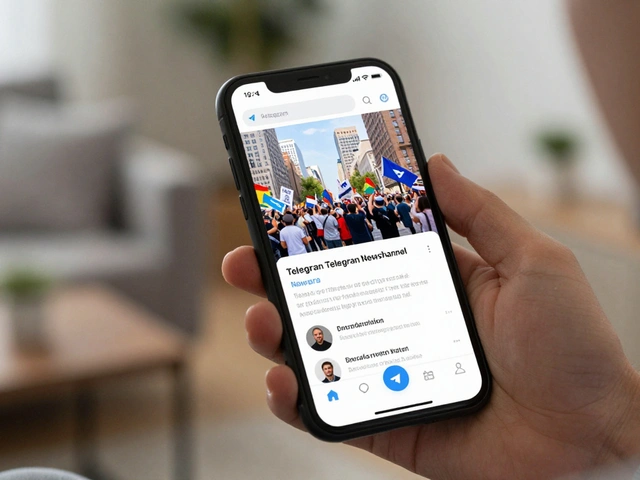
When a power outage hits a city, when a factory explosion sends smoke over neighborhoods, or when a protest turns violent - people don’t reach for TV or Twitter. They open Telegram. In the minutes after a local crisis begins, Telegram becomes the most reliable source of real-time updates. Not because it’s perfect, but because it’s unfiltered.
Telegram isn’t just another messaging app. It’s a news network built by users, not algorithms. While Facebook and Twitter bury posts under ads and recommendations, Telegram delivers everything straight to your feed. No sorting. No shadow banning. No delay. During a crisis, that matters more than ever.
Why Telegram Becomes the First Place People Look
In 2024, BankMyCell found that news channels made up 82% of all user engagement on Telegram. That’s higher than entertainment, politics, or education. Why? Because when something bad happens nearby, people don’t want opinions. They want facts. And Telegram gives them exactly that.
Think about it: during the 2023 earthquake in Turkey, local Telegram channels exploded with updates - building collapses, rescue routes, missing persons lists. Official government channels were slow. Mainstream media was overwhelmed. But community-run Telegram channels? They were live within minutes. Volunteers with phones recorded videos. Teachers turned their classrooms into relay points. Parents shared photos of safe zones.
Telegram doesn’t need to be fast. It just needs to be direct. And in a crisis, direct is better than polished.
How Crisis Types Change What People Subscribe To
Not all crises affect Telegram use the same way. A flood? People flood (pun intended) into channels that share water levels, evacuation maps, and volunteer contacts. A power grid failure? Channels that post generator locations and battery charging spots spike in activity. A violent protest? Channels that share real-time police movements and safe alleyways become the most subscribed.
A 2025 analysis of Telegram usage during 17 local emergencies across four countries showed clear patterns:
- Natural disasters (floods, fires, quakes): +140% increase in news channel subscriptions within 2 hours
- Public health alerts (poisoning, outbreaks): +95% spike in localized health bulletins
- Civil unrest: +210% rise in anonymous safety channels
- Infrastructure failures (power, water): +125% jump in community-run updates
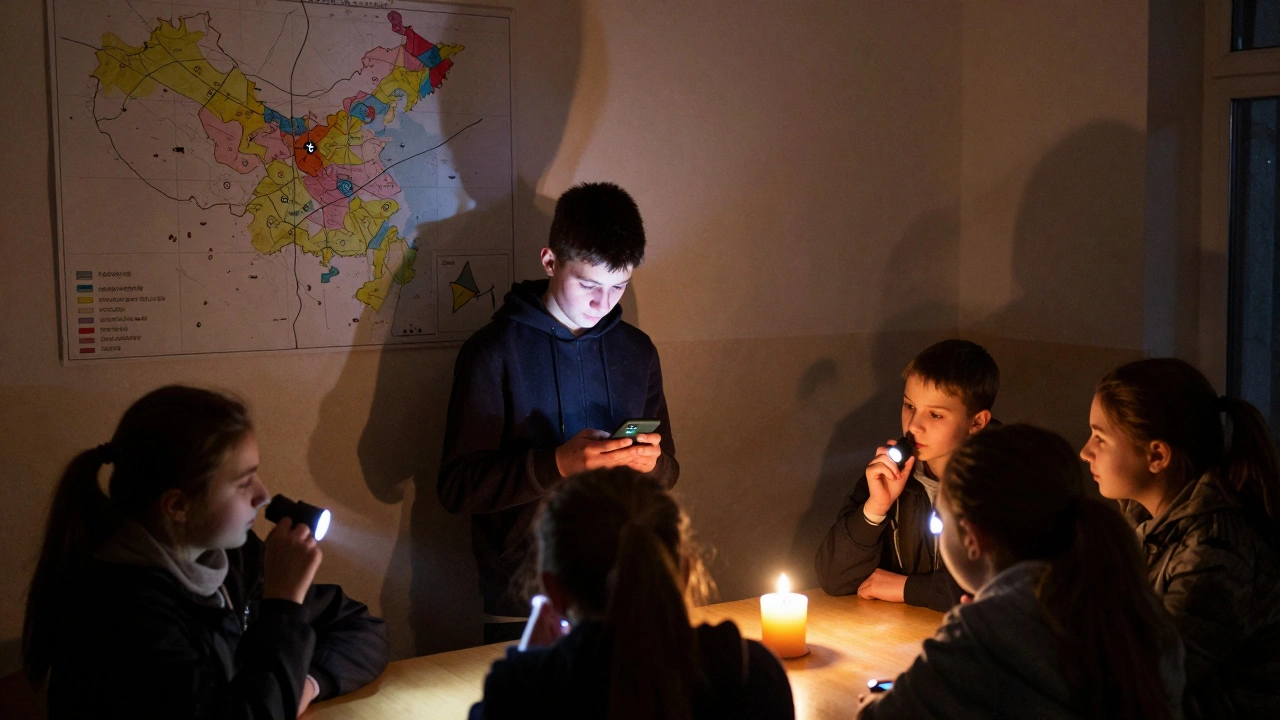
What’s striking is how quickly these channels form. In a small town in Ukraine, a 16-year-old started a Telegram channel during a winter blackout. Within 12 hours, it had 8,000 subscribers. He didn’t have a website. He didn’t have funding. He just had a phone and a need.
Who’s Leading the Charge - And Why It Matters
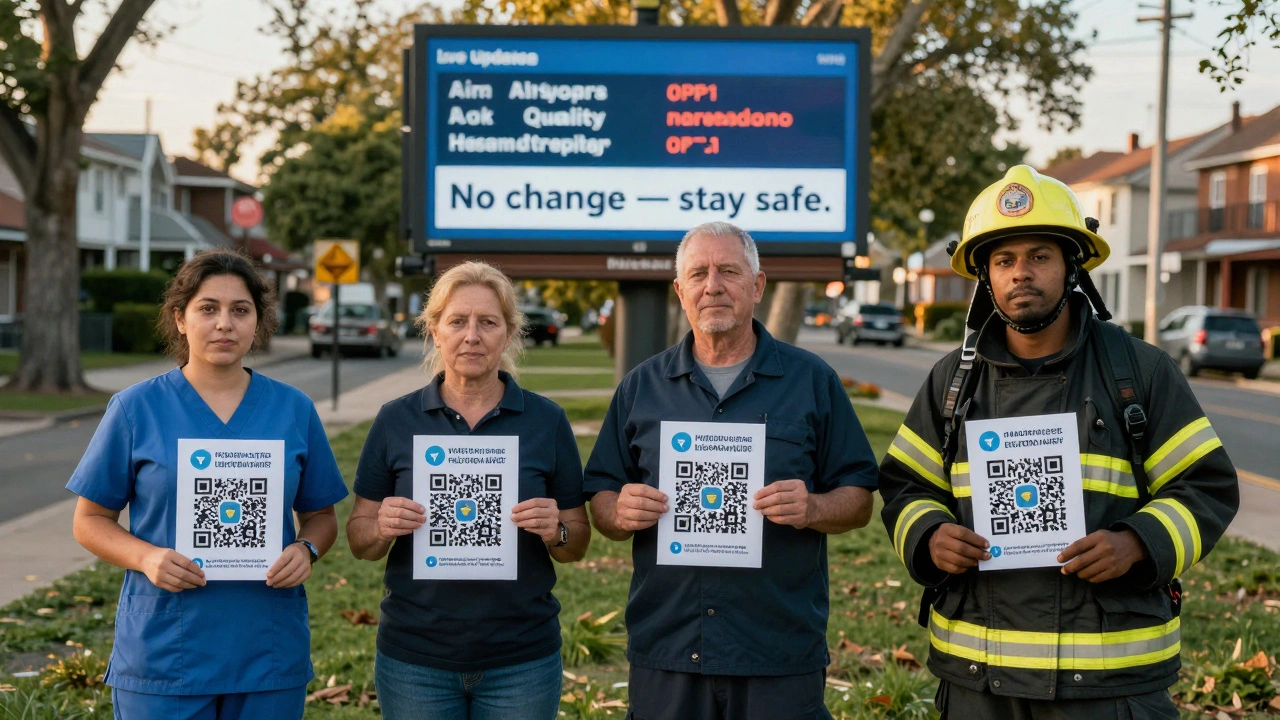
It’s not journalists or government agencies leading the charge during local crises. It’s teachers, nurses, mechanics, and students. These are the people who live there. They know the alleys, the old phone lines, the neighbors who can help.
Telegram gives them a megaphone. No approval needed. No corporate review. No waiting for a press release. One person posts a photo of a flooded road. Someone else replies with a detour. A third shares a link to a local charity offering free meals. It’s organic. It’s fast. And it works.
Compare that to Twitter, where misinformation spreads faster than facts, or Facebook, where posts vanish under algorithmic noise. Telegram’s lack of an algorithm is its greatest strength during emergencies. If you’re subscribed, you see it. No exceptions.
How Local News Channels Are Born - And Why They Stick
Before the crisis, most of these channels didn’t exist. After? They’re the most active in the city.
Take the case of a small industrial town in Ohio. In 2024, a chemical leak forced a shelter-in-place order. The city’s official channel had outdated info. A local pharmacist started a Telegram channel called “Eastville Alerts.” She posted updates every 20 minutes - air quality readings, pharmacy stock, who needed rides to hospitals. Within 48 hours, it had 22,000 subscribers. Three months later? Still active. Still growing. People didn’t just need info - they needed trust.
That’s the key difference: Telegram crisis channels aren’t about virality. They’re about reliability. And once a community finds a reliable source, they don’t leave.
The Hidden Cost: Misinformation and the Need for Verification
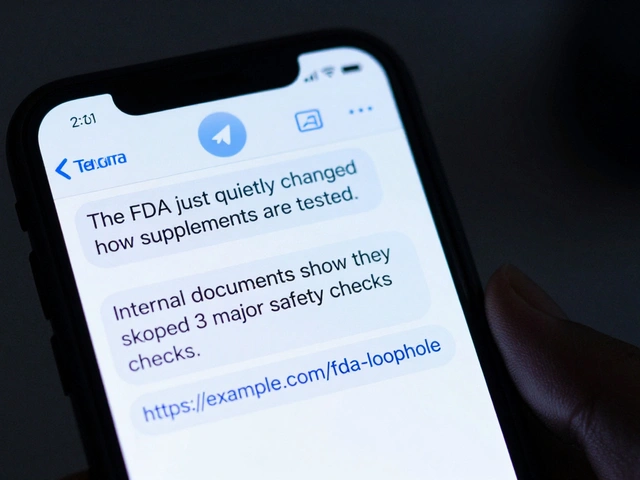
It’s not all perfect. Telegram’s openness means bad actors can slip through. False evacuation orders. Fake donation links. Rumors about poisoned water. During the 2025 flood in Louisiana, a Telegram channel with 15,000 followers spread a fake map that sent people into high-risk zones. No one checked. No one moderated.
That’s why the most successful crisis channels aren’t just fast - they’re verified. A nurse signs her posts. A retired firefighter adds his badge number. A local radio station links its live stream. These small signals build trust. And trust saves lives.
Communities that thrive during crises on Telegram use simple rules:
- Always tag the source (e.g., “Report from Eastville Fire Dept”)
- Update every 30 minutes - even if it’s just “no change”
- Pin the official emergency number
- Remove unverified rumors within 10 minutes
Those aren’t fancy policies. They’re basic human responsibility.
What Happens After the Crisis Ends?
Most people assume these channels die down. They don’t. In fact, many become permanent fixtures.
After the Ohio chemical leak, the pharmacist’s channel didn’t shut off. It turned into a weekly community update hub. It now shares local school closures, power outage schedules, and even neighborhood watch alerts. It’s no longer a crisis tool. It’s a lifeline.
That’s the quiet revolution happening on Telegram: local crises don’t just change how people consume news - they change who creates it. And once a community learns it can trust itself, it never goes back to waiting for someone else to speak.
What This Means for the Future of News
Telegram isn’t replacing traditional news. It’s bypassing it. When a crisis hits, people don’t wait for the evening news. They don’t scroll through headlines. They open Telegram and find someone they know - or someone who’s been there before.
That’s why 800 million monthly users aren’t just using Telegram for memes or cat videos. They’re using it because, in a world of noise, it’s one of the few places that still listens.
Why do people trust Telegram more than social media during crises?
Telegram doesn’t use algorithms to decide what you see. If you subscribe to a channel, you get every post - no hiding, no boosting, no burying. During a crisis, that means you see updates from neighbors, local officials, and volunteers before they appear anywhere else. No ads. No sponsored posts. No engagement bait. Just raw, real-time info.
Can Telegram be used for official emergency alerts?
Yes - and it already is. In countries like Ukraine, India, and Brazil, local governments use Telegram to send evacuation orders, water safety notices, and medical alerts. The platform’s ability to reach millions instantly makes it ideal for emergencies. Many cities now treat Telegram channels as official communication tools, alongside sirens and radio broadcasts.
Do crisis Telegram channels stay active after the emergency ends?
Often, yes. Once a community builds trust in a channel, it doesn’t disappear. Many evolve into permanent neighborhood hubs - sharing power outages, school delays, lost pets, and local events. The channel that started as a flood alert might become the go-to source for everything from pothole reports to community meetings.
How do you know if a Telegram news channel is trustworthy?
Look for three things: 1) The admin identifies themselves (name, role, badge), 2) They cite sources (e.g., “as per city emergency office”), and 3) They correct mistakes quickly. Trusted channels update regularly, even if it’s just to say “no new info.” Suspicious ones flood with emotional claims, vague links, or urgent calls to donate.
Is Telegram safer than WhatsApp for crisis updates?
For mass updates, yes. WhatsApp limits group sizes and doesn’t let you broadcast to thousands. Telegram channels can have millions of subscribers. That makes it far better for reaching entire neighborhoods at once. WhatsApp works for small groups. Telegram works for entire towns.
Local crises don’t just change how we get news. They change who we believe. And on Telegram, the most trusted voices aren’t the ones with the biggest following - they’re the ones who show up when it matters most.