Telegram isn’t just a messaging app-it’s become a primary news source for millions, especially in places where traditional media is slow, censored, or distrusted. But when do people actually open it to check the headlines? And does it matter if you’re in Kyiv, Jakarta, or Mexico City? The truth is, we don’t have hard data from Telegram itself. The app doesn’t share user behavior analytics. No public report breaks down exactly when news readers in Brazil check updates versus those in Poland. But that doesn’t mean we can’t figure out what’s likely happening-based on real patterns in how people live, work, and consume information.
Early Morning Rush: Europe and the Middle East
In countries like Ukraine, Poland, and Turkey, Telegram news channels explode with activity between 6:30 a.m. and 8:30 a.m. local time. Why? Because that’s when people are getting ready for work, sipping coffee, or commuting. News isn’t something they wait for-it’s part of their morning ritual. In Ukraine, where Telegram became the main source of real-time updates during the war, users often open the app the second they wake up. Channels like MediaSvit or Ukrainska Pravda see their highest engagement in that window. It’s not just about breaking news-it’s about context. People want to know what happened overnight before they step into the day. This pattern holds across much of Eastern Europe and parts of the Middle East. In Lebanon and Jordan, users check Telegram right after Fajr prayers, around 5:30-6:30 a.m. News isn’t passive here-it’s urgent. And Telegram delivers it without ads, without algorithms, just straight from the source. The lack of a centralized feed means you follow exactly who you trust. That trust builds habits: same time, same channels, same routine.Lunchtime Checks: Latin America and Southeast Asia
In Mexico, Colombia, and the Philippines, the biggest spike in Telegram news activity happens between 12:30 p.m. and 2:30 p.m. That’s lunchtime. People are off work or school, scrolling on their phones, and looking for updates. Unlike Europe, where news is a morning anchor, in these regions, it’s a midday reset. In the Philippines, where internet access is often limited to mobile data and people work long shifts, lunch is the only quiet moment in the day. Telegram channels like Philippine News or Manila Bulletin see a surge in clicks and forwards during this window. Same in Brazil: people check Telegram while eating, then share key headlines with family groups. The platform thrives here because it’s fast, private, and works on low bandwidth. You don’t need to watch a video or load a heavy site-just read a headline and a short summary. That’s perfect for a 15-minute break.Evening Deep Dives: North America and Australia
In the U.S. and Canada, Telegram news consumption is quieter overall. Pew Research found only 2% of U.S. adults use Telegram for news. But among those who do, the peak is between 7:00 p.m. and 9:00 p.m. That’s after work, after dinner, when people finally have time to dig deeper. Unlike TikTok or Twitter, where news is碎片化 (fragmented), Telegram users here tend to join niche channels-political analysis, tech leaks, investigative reports. They’re not just catching up. They’re researching. In Australia, the pattern is similar. With a large population of immigrants from Asia and Eastern Europe, there’s a mix of habits. But the strongest engagement for English-language news channels happens after 7 p.m. That’s when people who’ve been working all day have the mental space to process complex stories. It’s not about speed-it’s about understanding.
Nighttime Alerts: South Asia and Africa
In India, Nigeria, and Kenya, Telegram news consumption doesn’t follow a single peak-it’s constant. But the highest volume of messages and forwards happens between 10:00 p.m. and midnight. Why? Because that’s when the power is back on, the kids are asleep, and the house is quiet. In places with unreliable electricity or internet, people wait for the right moment to catch up. In Nigeria, where WhatsApp is overloaded with rumors, Telegram’s channels offer cleaner, verified updates. News about elections, fuel prices, or security alerts spreads fast after dark. In India, regional language channels (Hindi, Tamil, Bengali) see heavy traffic late at night. People who work in call centers or night shifts use Telegram to stay informed during their breaks. It’s not a habit-it’s a necessity.Why Timing Matters More Than You Think
The time you check Telegram isn’t random. It’s shaped by your life: your job, your culture, your internet access, your trust in institutions. In places where the government controls the news, people turn to Telegram at the first quiet moment of the day. In places where news is abundant but noisy, people wait until evening to sort through it. This also affects how news is written. Channels in Europe and the Middle East use short, direct headlines. In Latin America, they include emojis and voice notes. In South Asia, they post long threads with links to primary sources. The format matches the rhythm of the audience.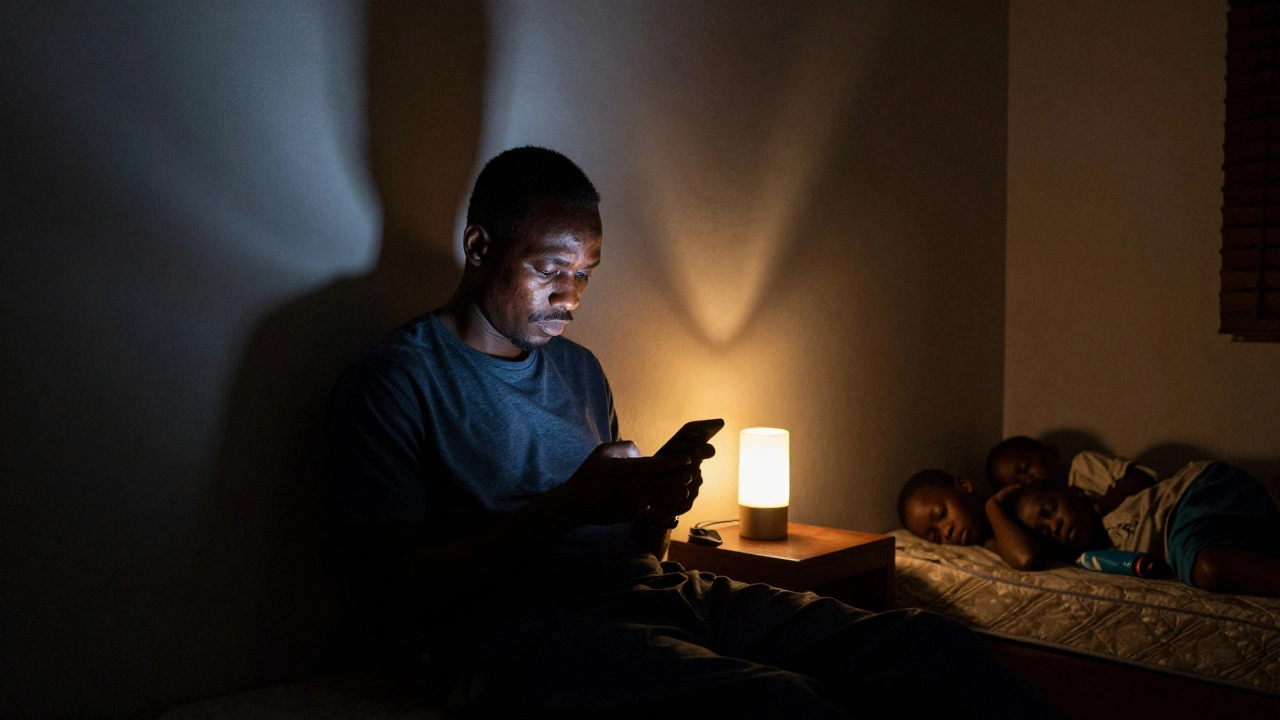
What This Means for Creators and Journalists
If you run a Telegram news channel, posting at 8 a.m. in Berlin won’t help your audience in Manila. You need to know your readers’ time zones-and their routines. A study from the Reuters Institute found that news apps lose users if they push content at the wrong time. The same applies to Telegram. A channel that posts at 11 p.m. in New York might be ignored in Jakarta, where people are already asleep. The smart creators don’t just post-they observe. They check their analytics (if available), ask their audience when they prefer updates, and test different times. One channel in Ukraine doubled engagement by shifting from 7 a.m. to 6:15 a.m. because users said they wanted to read before their kids woke up.What We Still Don’t Know
We still don’t have a global map of Telegram news habits. No company tracks it. Telegram doesn’t release it. Even academic researchers haven’t built reliable tools to measure it. But that doesn’t mean it’s invisible. It’s just hidden in plain sight-in the timestamps of forwarded messages, in the replies to posts, in the silence between spikes. The next breakthrough won’t come from a big tech report. It’ll come from someone in Lagos or Lahore who starts logging when their friends share news-and notices a pattern. That’s how real data is built: not from corporations, but from communities.How to Find Your Own Telegram News Rhythm
If you’re trying to figure out the best time to check news on Telegram, here’s what to do:- Look at the channels you follow. Check when the most active comments happen.
- Notice when your favorite journalists post. Is it early? Late? Always the same time?
- Try reading at different times for a week. When do you feel most informed?
- Ask your group: "When do you usually check Telegram news?" You might be surprised.
Your habit isn’t wrong. It’s just yours. And it’s probably shared by thousands-maybe millions-of others around the world.
Why doesn’t Telegram show when people read news?
Telegram prioritizes privacy over analytics. Unlike apps like Facebook or Twitter, it doesn’t track what you read, when you read it, or how long you spend on it. This means there’s no official data on news consumption timing. Any patterns we see are inferred from user behavior, not from Telegram’s internal metrics.
Can I trust news on Telegram?
Some Telegram channels are reliable, others are misleading. Pew Research found that 75% of U.S. Telegram news users expect the information to be mostly accurate-but accuracy isn’t guaranteed. Look for channels with clear sources, consistent posting, and no sensational headlines. Cross-check major claims with trusted outlets. Telegram is a tool-it doesn’t verify truth.
Are younger people using Telegram for news more than older people?
Not necessarily. In places like Ukraine and India, older adults use Telegram for news just as much as younger ones. The platform appeals to people who want control over their information, regardless of age. The Reuters Institute found that users over 35 are more likely to use direct news apps, but many of them have switched to Telegram because it’s faster and cleaner than traditional websites.
Do time zones affect when news spreads on Telegram?
Yes, but not in the way you might think. A breaking news story in Ukraine at 3 a.m. will spread to Europe by 5 a.m., then to North America by 10 a.m. But the real spread happens when local users in each region start sharing it in their own time. That’s why news moves fast on Telegram-it’s not pushed by algorithms, it’s passed by people.
Should I create a Telegram news channel for my region?
If you have reliable sources and a clear purpose, yes. But don’t just repost headlines. Add context. Post at times your audience is active. Use local language. Encourage discussion. The most successful channels aren’t the ones with the most followers-they’re the ones that feel like a trusted neighbor.