Imagine running a nationwide franchise or managing a multi-season media series. You have dozens of locations or spin-offs, each needing its own voice, yet you need them all to sing from the same corporate hymnbook. Sending emails works, but it’s slow. Social media algorithms bury your posts. What if you could build a real-time network where headquarters pushes global updates instantly, while local teams add their own flavor without breaking brand rules?
That is exactly what a Telegram content hub does. It transforms Telegram from a simple messaging app into a structured broadcast ecosystem. By combining channels, groups, and bots, you create a central nervous system for your content. This setup allows you to scale communication across multiple franchises or series seasons efficiently, keeping audiences engaged and staff aligned.
The Architecture of a Franchise Content Hub
To make this work, you cannot just create one big channel and hope for the best. You need a specific structure that balances control with local autonomy. Think of it as a hub-and-spoke model. At the center sits your main entity, and radiating out are specialized nodes for each location or sub-series.
Central Corporate Channel is the primary broadcast feed managed by headquarters, used for global announcements, core episode releases, and unified brand messaging. This is your source of truth. Everyone sees this first.
Connected to this are your subsidiary entities:
- Local Franchise Channels serve specific geographic regions or individual store units, allowing localized promotions and event notifications.
- Sub-Series Channels focus on specific seasons, spin-off shows, or product lines within a larger media franchise.
- Discussion Groups act as linked two-way conversation spaces attached to channels for Q&A, feedback, and community building.
This architecture leverages Telegram’s native ability to handle public and private visibility. Your main channel should be public to maximize discoverability via search engines and direct links. Local channels can be public if they want broad reach in their city, or private if they are exclusive VIP communities for loyal customers. The key is consistency. Each node must follow a strict branding framework defined at the hub level.
Setting Up the Infrastructure: Step-by-Step
Building this network isn’t rocket science, but it requires precision. If you set up five channels differently, you’ll spend hours fixing formatting instead of creating content. Here is how to standardize the creation process across your team.
- Create the Master Channel: Open Telegram (desktop is better for bulk work). Tap the pencil icon, select “New Channel,” and enter your main brand name. Upload the official logo. Write a description that includes keywords relevant to your entire franchise. Set it to Public and choose a short, memorable username like @BrandNameHQ.
- Define the Branding Template: Before creating local channels, document the rules. For example, every local channel name must follow the format “[Brand] - [City].” Every avatar must use the same color palette. Every description must start with the same tagline.
- Deploy Local Nodes: Have regional managers create their channels using the template. They should link these new channels to their existing customer lists via invite links. Ensure they add the headquarters admin as a secondary admin to maintain oversight.
- Link Discussion Groups: In the channel settings, find the “Discussion” option. Create a linked group for each channel. This automatically forwards comments from the group to the channel post, making conversations visible to everyone. This is crucial for transparency and community engagement.
By doing this upfront, you ensure that when a user joins any part of your network, the experience feels familiar and professional. The visual identity remains cohesive even if the content varies slightly by region.
Content Strategy: Balancing Global and Local
The biggest challenge in a franchise hub is avoiding content fatigue. If headquarters blasts ten messages a day, local followers will mute the channel. If local teams post too little, they look inactive. You need a balanced content mix.
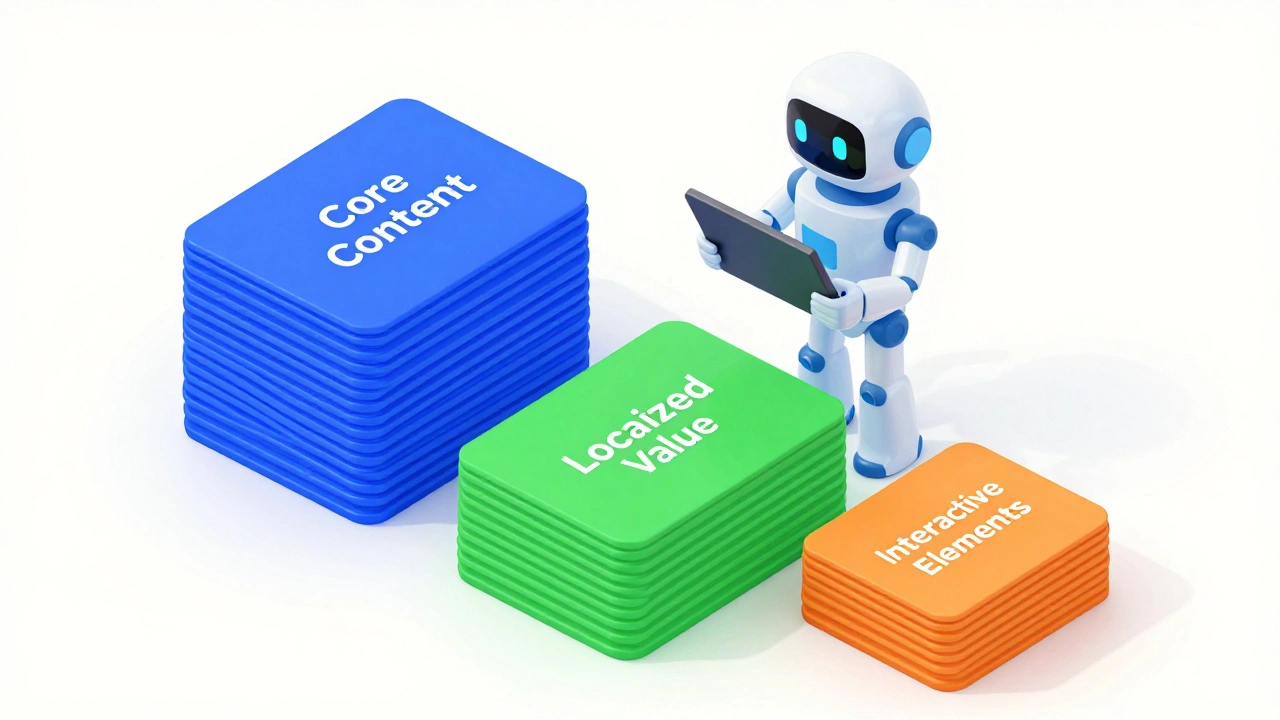
Use the 70-20-10 rule adapted for Telegram:
- 70% Core Content: These are the non-negotiable updates from the hub. New episode trailers, national sales events, or major brand news. These go into the Central Channel and can be forwarded to local channels if relevant.
- 20% Localized Value: This comes from the local admins. Store-specific happy hours, local meetups, or behind-the-scenes looks at the local team. This builds personal connection.
- 10% Interactive Elements: Polls, quizzes, and AMAs (Ask Me Anything) sessions. Telegram supports native polls and quizzes, which are perfect for boosting engagement metrics.
For a media franchise, this might look like: Headquarters posts the season trailer (Core). The “Season 2 Fan Club” channel posts a poll about favorite characters (Interactive). A specific actor’s fan group shares an exclusive photo from the set (Localized Value).
Consistency is key. Aim for 2-3 posts per week per channel. Use scheduling tools to plan these weeks in advance. This prevents gaps in posting, which kills momentum.
Automation and Bots: Scaling Without Burning Out
You cannot manually manage fifty channels. That is where bots come in. Telegram’s Bot API is powerful and accessible, even for non-developers, thanks to various third-party services and no-code platforms.
Implement these three bot functions immediately:
- Welcome Sequences: When someone joins a local channel, a bot sends an automated message. “Welcome to [Brand] Chicago! Here are our opening hours and today’s special.” This reduces repetitive questions.
- FAQ Handlers: Link a bot to answer common queries. “Where do I buy tickets?” “What is the return policy?” This frees up human moderators to handle complex issues.
- Cross-Promotion Tools: Use bots to automatically forward important announcements from the Central Channel to all local channels. This ensures that critical information reaches every node simultaneously without manual copying.
Services like ManyChat or specialized Telegram bot builders allow you to set up these flows visually. For more advanced needs, developers can write custom Python scripts using the `python-telegram-bot` library to integrate with your CRM or inventory systems.
Moderation and Community Health
A content hub is only as good as its community. If your discussion groups become cluttered with spam or unanswered complaints, users will leave. Moderation is not optional; it is part of the service.
Establish clear guidelines for your local admins:
- Response Time: Aim to reply to questions within 24 hours. Faster is better. Use “Fast Reply” features in Telegram Premium or business accounts to save time.
- Tidiness: Regularly clean up old threads. Pin important announcements. Remove off-topic discussions politely but firmly.
- Engagement Rituals: Schedule weekly activities. A “Friday Q&A” or a “Monthly Contest” gives users a reason to stay active. MeetBunch, a community growth expert, emphasizes that seasonal activities drive ownership among members.
Train your local staff to view moderation as customer service. A well-moderated group builds trust. A neglected group breeds frustration.
Measuring Success: Analytics and Optimization
You need data to know if your hub is working. Telegram provides basic analytics for channels with over 1,000 subscribers, showing views, reactions, and subscriber growth. For smaller channels, you may need external tools or manual tracking.
Focus on these three metrics:
| Metric | Why It Matters | Target Benchmark |
|---|---|---|
| View-to-Subscriber Ratio | Shows how many people actually read your posts. | 30-50% of total subscribers |
| Reaction Rate | Indicates emotional engagement beyond passive reading. | 5-10% of views |
| Growth Rate | Tracks acquisition efficiency of your invite links. | 5-10% monthly organic growth |
If a local channel has low view ratios, check the timing of your posts. Are you sending them when people are asleep? If reaction rates are low, your content might be too dry. Add more visuals, videos, or interactive polls. Use A/B testing: send similar posts at different times or with different headlines to see what resonates.
Common Pitfalls to Avoid
Even with a solid plan, mistakes happen. Here are the most common errors franchise owners make when starting a Telegram hub:
- Inconsistent Branding: Allowing local teams to use random logos or names confuses users. Stick to the template.
- Over-Automation: Bots are helpful, but don’t let them replace human connection entirely. People join communities for people, not robots.
- Ignoring Private vs. Public: Don’t put sensitive operational info in public channels. Use private groups for internal staff communication.
- No Clear Call-to-Action: Every post should guide the user somewhere. Buy now, click here, vote in this poll. Silence is the enemy of conversion.
Start small. Launch the central channel and two local pilots. Test the workflow. Fix the bugs. Then scale to the rest of the network. This iterative approach saves time and resources in the long run.
Can I forward posts from my main channel to all local channels automatically?
Yes, you can use Telegram bots to automate forwarding. While Telegram doesn't have a native "broadcast to all channels" button for regular users, you can set up a bot that listens to your main channel and reposts selected messages to a list of target channels. This requires some technical setup or the use of third-party automation services like ManyChat or Chatfuel.
Is it better to use public or private channels for a franchise?
It depends on your goal. Use public channels for marketing, announcements, and broad audience building because they are searchable and shareable. Use private channels for exclusive offers, VIP clubs, or internal staff communication. A hybrid approach often works best: a public main channel for general info and private local groups for deeper community engagement.
How do I prevent spam in my Telegram discussion groups?
Enable the "Slow Mode" feature in group settings to limit how frequently users can post. Assign trusted admins to moderate actively. Use bots like @GroupHelpBot to auto-delete spam links or inappropriate content. Clearly state community rules in the pinned message and enforce them consistently.
What is the ideal posting frequency for a Telegram franchise channel?
Aim for 2-3 high-quality posts per week. Telegram is a push-notification platform, so overposting can annoy users and lead to mutes. Quality matters more than quantity. Focus on valuable updates, exclusive deals, or engaging multimedia content rather than daily noise.
Can I monetize my Telegram franchise channels directly?
Yes, Telegram supports paid subscriptions for channels. You can offer exclusive content, early access, or special discounts to paying subscribers. However, build your audience and provide free value first. Monetization works best when users already trust your brand and see clear additional value in the premium tier.