Most people start a news channel by hoping the right audience just finds them. They post a few updates, share the link with a dozen friends, and then wonder why the subscriber count stays flat. The reality is that in a crowded digital landscape, a single channel is a lonely island. If you want to actually move the needle in a specific geographic area, you need a network, not just a page. By building a web of interconnected regional channels, you create a funnel where users from one city naturally flow into the news feed of the next, building a massive, localized footprint that a single "national" channel can't touch.
| Feature | Single News Channel | Regional Network |
|---|---|---|
| Audience Trust | General / Broad | High (Hyper-local relevance) |
| Growth Speed | Linear | Exponential (via cross-pollination) |
| Ad Revenue | National rates only | Local business + National tiers |
| Content Depth | Surface level | Deeply specific to community |
Setting Up Your Local Hubs
Before you can network, you need solid nodes. Think of each channel as a local hub. You aren't just "creating a group"; you're building a destination. When you set up your Telegram is a cloud-based instant messaging service that allows for the creation of one-to-many broadcast channels channels, the naming convention is your first and most important filter. If your channel is named "City News," you're competing with everyone. If it's "North East Sector Updates: [City Name]," you've immediately signaled exactly who the content is for.
Don't overlook the description. You have a few seconds to tell a visitor why they should stay. Instead of "News for the city," try "Real-time traffic, local council decisions, and breaking alerts for [City Name] residents." This specific value proposition turns a casual click into a permanent subscription. Use a clean, high-resolution icon-avoid cluttered images. A simple, bold geographic symbol or a stylized city skyline works best because it remains legible even as a tiny circle in a user's chat list.
The First 1,000: Breaking the Zero-Growth Barrier
The hardest part of channel growth is the move from 0 to 1,000 subscribers. At this stage, the Telegram Ads platform isn't available to you, so you have to get your hands dirty with organic distribution. Start with your immediate circle, but don't stop at 200 people. The key is to find where your local audience already hangs out online.
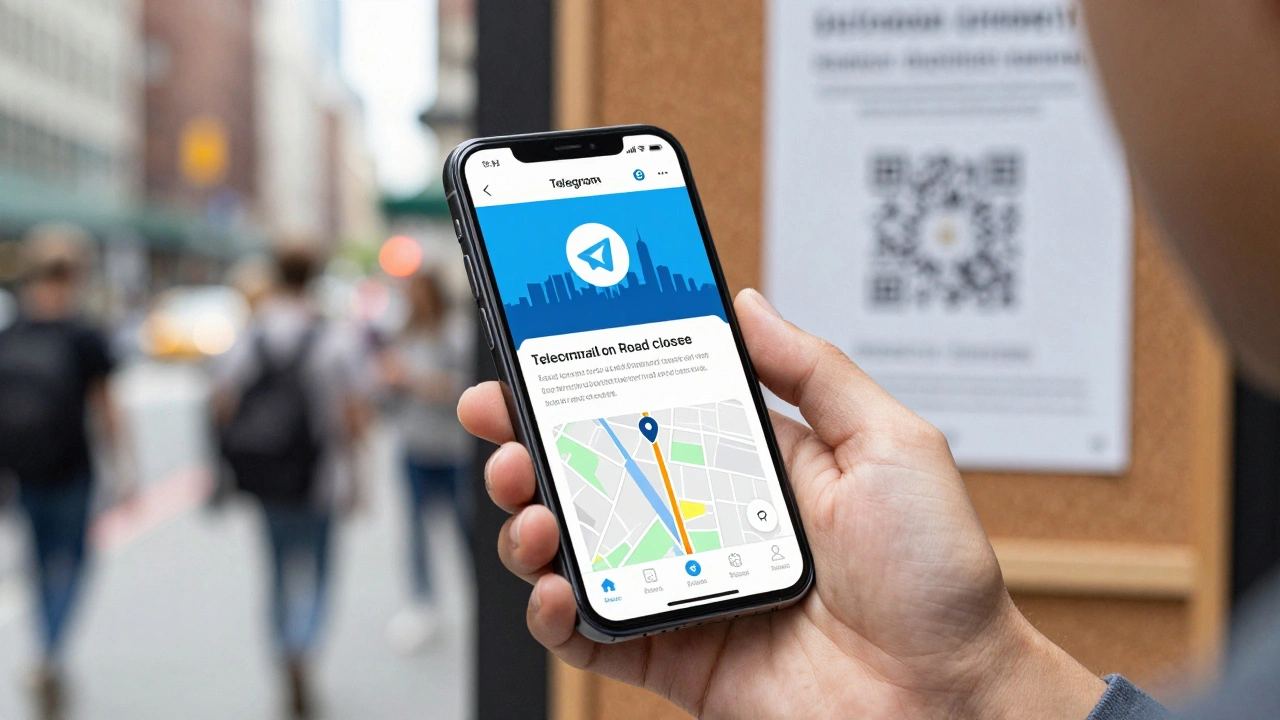
Look for niche Facebook groups, local subreddits, and community forums. But here is the trick: do not just drop your link and leave. That's spam, and it gets you banned. Instead, find a trending local conversation-maybe a road closure or a new zoning law-provide a helpful summary, and then say, "I'm tracking the full story over on the local Telegram channel if anyone wants real-time updates." You're offering a solution, not a pitch.
- Email Signatures: Add your channel link to your professional email. It's a passive but steady stream of local contacts.
- Website Integration: If you have a local blog or site, put a "Join our Telegram for Breaking News" widget prominently on the homepage.
- Physical Touchpoints: In regional news, the physical world matters. QR codes on community boards or local business flyers can drive high-intent local users directly into your funnel.
Engineering the Network Effect
Once you have three or more regional channels, you stop growing them as individual entities and start treating them as a portfolio. This is where cross-promotion becomes your primary engine. If a user is subscribed to your "West Side News" channel, there is a high probability they also care about the "City Center News" channel.
The most effective way to do this is through "Relevant Redirects." When a story breaks in the City Center that affects the West Side, post the update in the West Side channel and link directly to the deep-dive coverage in the City Center channel. This creates a loop where subscribers move between your hubs, increasing their total time spent within your ecosystem.
You should also implement a "Network Directory" as a pinned message in every channel. This is a simple list of all your regional hubs. It tells the user: "We don't just cover this street; we cover the whole region." This elevates your brand from a random chat group to a professional media network.
Scaling with Automation and Content Batching
Managing five regional channels is a full-time job; managing fifty is impossible without a system. To avoid burnout, you need to separate content creation from content distribution. Use Content Batching-the process of producing a week's worth of non-urgent local updates (like "Weekend Events" or "Local Business Spotlights") in one sitting.
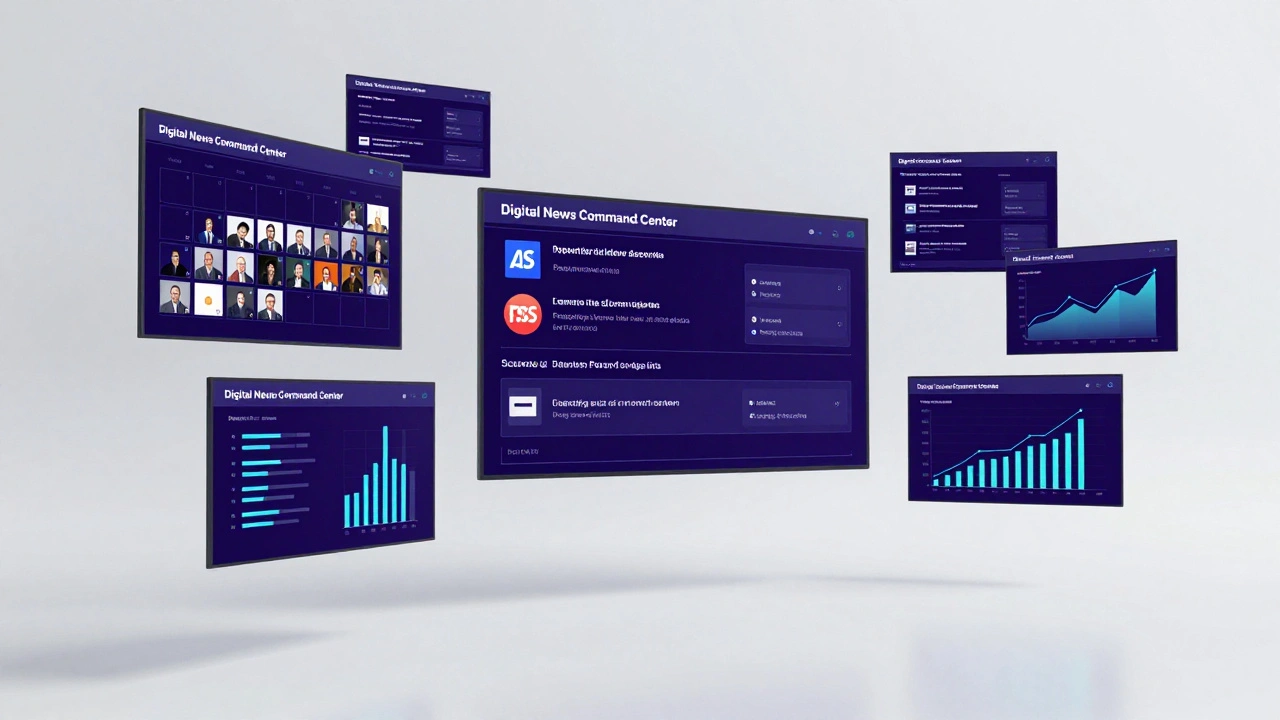
Since Telegram allows you to schedule posts, you can map out your entire regional calendar on a Sunday and set it to trigger during peak hours-usually 7:00 AM to 9:00 AM for morning commuters and 6:00 PM to 8:00 PM for evening wind-downs. For breaking news, however, you need a fast-response layer. This is where Telegram Bots come in. You can set up bots to scrape official government RSS feeds or Twitter alerts, which then notify you (the admin) to curate and push the news to the relevant regional channels instantly.
Moving into Paid Growth and Monetization
Once your channels hit the 1,000-subscriber mark, you unlock the ability to use the official advertising platform. However, don't just throw money at the wall. The most efficient use of a budget in a regional network is "Targeted Native Integration." Instead of a generic ad, pay for a sponsored post in another local channel that isn't part of your network but shares the same audience-like a local sports fan group or a city-wide hobbyist community.
When it comes to making money, the regional model is superior to the national one. Why? Because local businesses (dentists, cafes, law firms) have small marketing budgets but a desperate need for hyper-local reach. You can offer "Network Packages" where a local business gets a post in one specific city channel for a low fee, or a "Regional Blitz" where they appear across all your hubs for a premium price. This creates a scalable revenue stream that grows as you add more regional nodes.
Keeping the Community Engaged
A news channel that only broadcasts is a newspaper; a news channel that engages is a community. If you just push links, people will mute your notifications. To prevent this, you have to give them a reason to participate. Use the built-in poll and quiz features to let the community vote on which local issues they want you to investigate next.
Create member-exclusive value. For example, once a month, host a live stream with a local official or a business owner. By providing access that people can't get anywhere else, you turn your subscribers into advocates. When a new resident moves to town and asks "Where do I get the best local info?", your engaged members will be the ones sending them your link.
How many channels are too many to manage?
There is no hard limit, but the quality usually drops when a single admin manages more than 5-7 channels without automation. To scale beyond that, you need a distributed team of local "stringers" or moderators who live in those regions and can verify news on the ground.
Should I use public or private channels for a regional network?
Always start with public channels. Public channels are searchable within Telegram and indexable by search engines, which is critical for organic discovery. You can always create a private "VIP" group for your most engaged members later for exclusive content.
How do I prevent people from leaving when news is slow?
Avoid the "ghost town" effect by scheduling "evergreen" content. This includes local history facts, "Business of the Week" spotlights, or community polls. Keeping a steady pulse of activity ensures that when a major breaking story hits, your audience is already paying attention.
What is the best way to handle cross-promotion without annoying users?
The key is relevance. Only promote another channel in your network if the story actually affects that audience. If you post a generic "Join our other channels" message every day, people will mute you. If you post "This road closure in the North end affects commuters in the South end-see the full map here [Link to North Channel]," it's a service, not an ad.
Can I automate the news gathering process?
Yes. Use tools like Zapier or custom Telegram bots to connect RSS feeds from local government websites or official police blotters. However, never let a bot post directly to the channel without a human editor. A quick check for typos and a touch of local context is what separates a professional news network from a spam bot.
Next Steps for Network Owners
If you're just starting, don't try to launch ten channels at once. Start with one "Anchor Channel" in your most active city. Get it to 500 subscribers and refine your posting style. Once you have a template that works, duplicate that system for the next region. If you're already running a few channels, your next move is to create a shared "Brand Identity Guide" so that every channel in your network feels like it's part of the same trusted organization, regardless of which city it covers.