Telegram isn’t just for private chats anymore. By early 2026, it had become one of the most trusted platforms for breaking news-especially in regions where traditional media is restricted or slow. But here’s the catch: verified channels are the only ones people actually believe. Unverified channels? They get ignored, flagged, or worse-blamed for spreading rumors. If you’re running a news channel on Telegram and want people to take you seriously, you need to get verified. Not just for the blue checkmark. For real, lasting trust.
Why Verification Matters More Than Subscribers
You might think having 50,000 followers is the goal. But on Telegram, numbers don’t mean trust. A channel with 5,000 verified followers gets more engagement than a channel with 50,000 unverified ones. Why? Because users know verified channels have been checked by someone other than Telegram. They’re not just popular-they’re accountable. In January 2026, verified news channels saw 37% higher engagement than unverified ones. That’s not a coincidence. People click, share, and comment more when they know the source has passed real checks. And when misinformation spreads-like false emergency alerts or fake election results-users turn to verified channels first. That’s the power of trust.How Telegram’s Verification System Actually Works
Telegram’s system isn’t one-size-fits-all. It’s built in layers, like a security onion. The first layer is the basic blue checkmark. To get it, you need proof you’re who you say you are-on other platforms. Specifically, you need verified accounts on at least two of these: Twitter/X, Facebook, Instagram, or YouTube. And each one must link back to your Telegram channel in its bio. That sounds simple, right? Not always. Many small news outlets can’t meet this because they don’t have the resources to maintain verified profiles on multiple big platforms. Twitter/X charges $800 a month for organizational verification. For a local community paper, that’s a dealbreaker. The second layer-launched in February 2025-is the real game-changer. Once you have the blue checkmark, you can apply for third-party verification. This means trusted organizations in your field verify you. A local newspaper? Verified by a press association. A health news channel? Verified by a public health authority. A restaurant review channel? It gets a little carrot icon, with a note saying “Verified by Local Food Safety Board.” This second layer doesn’t just show you’re real. It tells users why you’re trusted. That transparency is what sets Telegram apart from other platforms. On X, you get a checkmark and that’s it. On Telegram, you get context.What Gets You Rejected (And How to Fix It)
Most applications get denied-not because they’re fake, but because they’re incomplete. Here’s what kills applications:- Wikipedia page doesn’t meet notability standards (52% of rejections)
- Links to Telegram aren’t in the bio of external profiles
- Third-party verification body doesn’t recognize the applicant’s sector
- Channel has no consistent posting history (Telegram checks activity over 3+ months)
The Hidden Tech Behind the Trust
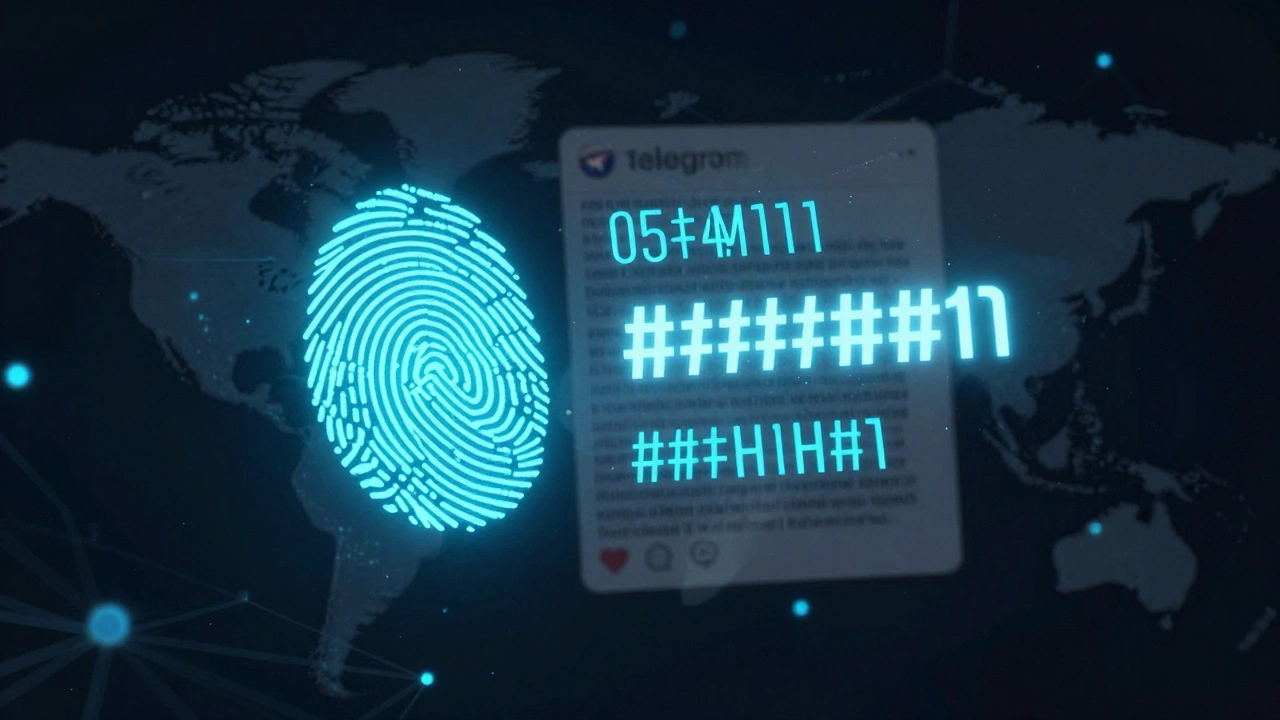
Beyond the blue checkmark and sector icons, Telegram uses behind-the-scenes tech to lock in credibility. Every post from a verified channel gets a cryptographic signature. That means if someone tries to edit or fake a message, the system flags it instantly. Each piece of content also gets a unique hash and timestamp-like a digital fingerprint you can trace back to the moment it was sent. This isn’t just for show. In late 2025, a false rumor about a school closure spread on unverified channels in Ohio. Within 12 minutes, the verified local news channel pushed out the correction with a timestamped proof. Users could see exactly when the lie started and when the truth was confirmed. That kind of transparency builds loyalty. Advanced users even set up bots to auto-publish verified updates. One community news channel in Michigan automated their flood alerts using Telegram’s Bot API. They reduced verification processing time by 30% and cut response delays to under 90 seconds during emergencies.Who’s Winning-and Who’s Getting Left Behind
Big names like Reuters, Bloomberg, and The Guardian have fully adopted Telegram’s verification system. They use custom icons, multi-layer verification, and even sell verified clips through emerging micro-licensing systems. But the real story is in the gaps. Only 8% of local news organizations in the U.S. are verified. Why? The barrier is too high. The EU’s Digital Services Act will force platforms to make verification easier by Q3 2026. That could change things. But right now, if you’re a small-town reporter without a budget for Twitter Blue or a Wikipedia editor on staff, you’re stuck. That’s the trust gap. Users trust verified channels 83% more than unverified ones, according to Trustpilot data. But 68% of local news outlets can’t even apply. It’s not fair. It’s not inclusive. And it’s not sustainable long-term.
What You Should Do Next
If you’re serious about building trust on Telegram, here’s your action plan:- Choose two platforms to verify on. Start with Instagram-it’s fastest. Then pick one more: Twitter/X, Facebook, or YouTube.
- Link your Telegram channel in the bio of both. Post consistently for at least 90 days.
- Get media coverage. One credible article can unlock Wikipedia eligibility.
- Apply for the blue checkmark via Telegram’s @VerifyBot. Wait 14-21 days.
- Once verified, contact your sector’s official body-press association, health dept, etc.-and ask if they offer third-party verification.
- Use Telegram’s Bot API to automate updates and track content provenance.
- Always publish corrections with timestamps. Transparency is your strongest tool.
What’s Coming Next
By late 2026, Telegram plans to roll out “microcorrespondent networks”-where field reporters submit verified snippets via encrypted bot forms. Think of it like a live, decentralized wire service. Content will be cached regionally to cut delays under 100ms. And for the first time, verified news clips could be sold directly through tokenized contracts, without ads or trackers. The goal? To turn Telegram into a true edge news engine-one where trust isn’t just a badge, but a built-in feature. But that future only works if small, local voices get included. Right now, the system favors the loud. The next step is making it fair.How long does Telegram verification take?
The full process takes 6 to 8 weeks on average. First, you need to get verified on two external platforms like Twitter/X or Instagram-each takes 3 to 7 business days. Then, you apply through Telegram’s @VerifyBot, which typically takes 14 to 21 days to process. If you’re applying for third-party verification, add another 2 to 4 weeks depending on the sector organization’s review time.
Can I get verified without a website or Wikipedia page?
Yes, but only if you have verified accounts on two other platforms like Twitter/X, Facebook, Instagram, or YouTube. Telegram accepts those as your primary verification sources. However, having a Wikipedia page or official website makes your application stronger and increases your chances of passing third-party verification later.
Is Telegram verification free?
Telegram’s own verification process is free. But the platforms you need to get verified on first aren’t. Twitter/X charges $800/month for organizational verification. Facebook and Instagram are free but require consistent activity. Third-party verification is usually free if offered by a public body like a press association or government agency.
What if my news channel is too small to get verified?
You still have options. Start by building credibility through consistent, accurate reporting. Get covered by larger outlets-this helps with Wikipedia eligibility. Join local journalism networks that may offer free verification support. Even without the blue checkmark, users will trust you if you correct mistakes publicly, cite sources, and respond to questions. Trust is earned over time, not just granted by a badge.
Does verification guarantee my news is accurate?
No. Verification confirms your identity, not your accuracy. A verified channel can still spread false information. That’s why experts recommend adding three trust layers: Telegram verification, transparent sourcing, and a public correction policy. Users trust channels that admit mistakes-and show how they fix them.
Can I lose my verification status?
Yes. If your external accounts are suspended, your Telegram verification can be revoked. Also, if you violate Telegram’s terms-like spreading misinformation, impersonating others, or using bots to inflate engagement-you’ll lose your checkmark. Third-party verification can also be withdrawn if your organization no longer meets the standards of the verifying body.
How do I know if a channel is truly verified?
Look for the blue checkmark next to the channel name. Then, click the channel profile. If it’s third-party verified, you’ll see a custom icon (like a carrot or diploma) and a note saying who verified it and why. If there’s no note, it’s only basic verified. Always check the linked external profiles to confirm they’re real and active.