Telegram is where news is going - but not everyone trusts it yet
Millions of people in emerging markets are turning to Telegram for news because it’s fast, private, and free from ads. But here’s the problem: most of them are new to getting news this way. They don’t know who to believe. A channel with 5 million followers could be a respected outlet - or a bot farm pumping out AI-written lies. Without a blue check or a familiar logo, trust doesn’t come easy.
Why Telegram works for news - and why it’s risky
Telegram isn’t just another app. It’s the fourth most-used messaging platform in the world, with over 1 billion users as of March 2025. And 85% of them follow at least one news channel. That’s not a small niche. That’s a major shift in how people get information.
Why? Because Telegram doesn’t algorithmically bury your news. No feed. No engagement bait. You join a channel, and you get everything it posts - in order, no exceptions. For people tired of being manipulated by clickbait on Facebook or TikTok, that’s a breath of fresh air.
But here’s the catch: anyone can create a news channel. No approval needed. No verification. You can start a channel called "Global Daily News" tomorrow and claim to be the BBC. And if you post fast enough, people will believe you - especially if they’ve never seen real journalism before.
Who’s actually using Telegram for news?
It’s not the U.S. That’s where only 9% of people use Telegram regularly. The real growth is in Latin America, Southeast Asia, the Middle East, and parts of Africa. In these regions, traditional media is often controlled by governments or corporations. Telegram fills the gap.
The core users? Men aged 25-34. They’re tech-savvy, skeptical of mainstream outlets, and hungry for unfiltered updates. They spend nearly 4 hours a month on Telegram news channels - more than any other content type. And they check it daily. That’s not passive scrolling. That’s active reliance.
But here’s what most people don’t realize: 70% of these news channels make money through ads or sponsorships. That means the person posting the latest earthquake update might also be pushing a crypto coin or a fake VPN. The line between journalism and marketing is invisible - and that’s dangerous for first-time users.
Three things that build trust - and one that destroys it
After studying 12 top-performing news channels on Telegram, three patterns stand out. These are the things that make users say, "I trust this."
- Clear sourcing in every post - The best channels don’t just say "Breaking: Protests in Jakarta." They link to a video from a local reporter, quote a government statement, or embed a photo from a verified eyewitness. If there’s no source, they say "We’re verifying." And they update it when they know more.
- Consistent posting schedule - Users don’t just want accuracy. They want reliability. Channels that post at the same time every day - say, 7 a.m. and 7 p.m. - build a habit. People start checking at those times. That routine becomes trust.
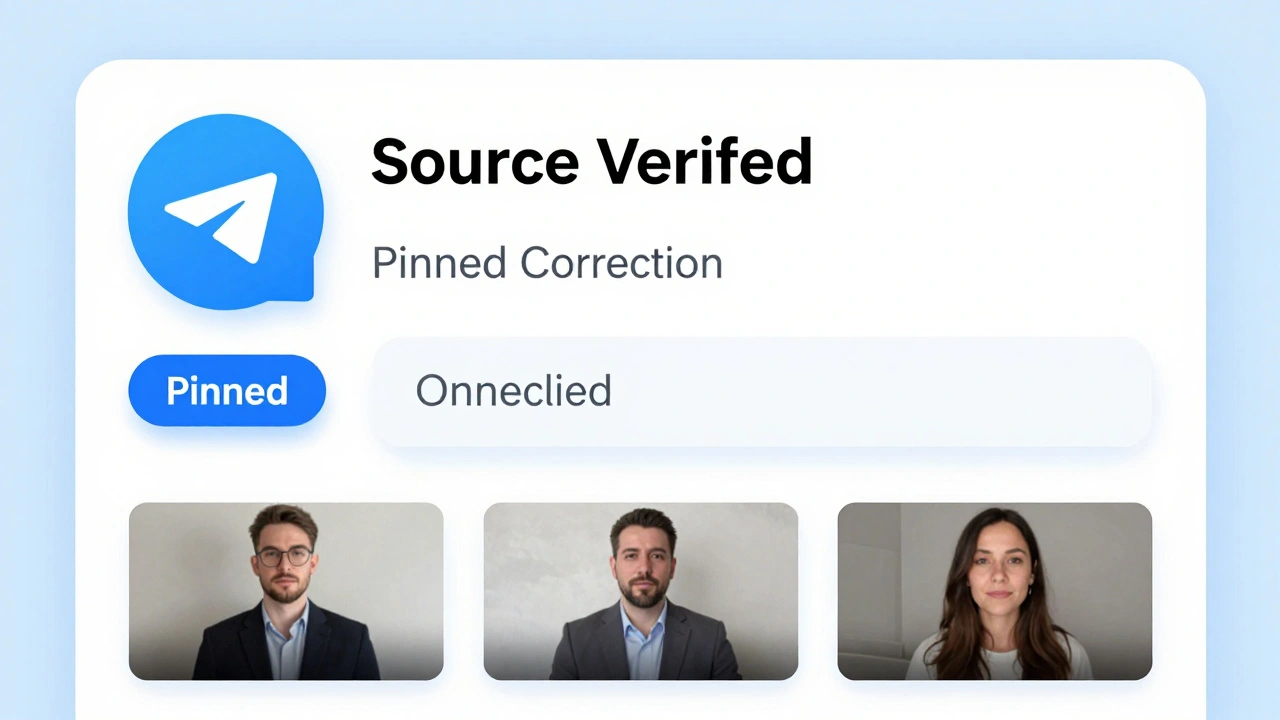
- Visible corrections - Mistakes happen. But the channels that survive are the ones that admit them. A pinned post titled "Correction: We misreported the death toll" - with the original post linked and struck through - tells users: "We’re human. We care about truth."
And the one thing that kills trust faster than anything? Unlabeled AI content. Users on Reddit’s r/TelegramNews say this is their top complaint. If a channel posts a detailed analysis of a political scandal - but it’s written by a bot - they feel lied to. Even if the facts are right, the deception breaks the relationship.
How to verify a channel before trusting it
First-time users need simple rules. Here’s how to tell if a channel is worth following:
- Check the description - Does it say who runs it? Is there an email or website? If it just says "News from around the world," walk away.
- Look for pinned posts - The best channels pin their fact-checks, corrections, and mission statements. If there’s nothing pinned, it’s likely a spam account.
- See who else follows it - If a channel has 2 million followers but no comments, that’s a red flag. Real news channels have debates, questions, and replies.
- Search the name on Google - Type the channel name + "scam" or "fake." If nothing comes up, that’s good. If you find warnings from media watchdogs, don’t join.
- Wait 24 hours - If a channel breaks a huge story, wait a day. See if other trusted sources pick it up. If it’s real, it’ll spread. If it’s fake, it’ll vanish.
Telegram’s new tools - and what they mean for trust
Telegram isn’t ignoring the problem. In February 2026, they launched "Source Verification Badges" for major news organizations. These aren’t blue checks. They’re official labels that appear next to a channel name - like a stamp from a trusted institution.
And in April 2026, they rolled out "Fact-Check Threads." When a channel posts something controversial, users can now click to see a dedicated thread where other verified channels respond with evidence. It’s not perfect - but it’s a start.
By the end of 2026, experts predict 63% of Telegram’s top 1,000 news channels will partner with third-party fact-checkers like NewsGuard. That means you’ll start seeing labels like "Fact-Checked by NewsGuard" - just like you see "Certified Organic" on food.
But here’s the catch: these tools only help if you know they exist. Most first-time users don’t. That’s why the real work isn’t on Telegram’s side. It’s on the side of the news organizations that want to be trusted.
What news outlets need to do - step by step
If you’re a journalist or media outlet trying to reach new audiences on Telegram, here’s what actually works:
- Start with a clear channel name - Not "Breaking News Today." Use your real brand: "BBC News (Official)" or "Al Jazeera Arabic Updates." Don’t try to be clever.
- Write a detailed bio - Include your mission, your team, your contact info, and your editorial standards. Link to your website. Say clearly: "We do not accept paid promotions."
- Post consistently - Even if it’s just one update a day. Consistency builds rhythm. Rhythm builds trust.
- Pin your correction policy - Create a post titled "How We Handle Mistakes." Explain how you verify, how you correct, and how users can report errors.
- Use links - every time - Never post a headline without a source. Even if it’s a screenshot of a tweet or a photo from a local paper. Attribution isn’t optional. It’s your credibility.
- Engage with comments - Answer questions. Say "We don’t know yet" if you don’t. Don’t delete criticism. Respond to it.
- Wait for the badge - Don’t rush. Telegram’s verification system is slow. But if you’re legitimate, you’ll get it. And when you do, it’ll mean something.
Why this matters - beyond clicks and followers
Building trust on Telegram isn’t about growing a big audience. It’s about giving people the tools to think for themselves. In places where misinformation has led to violence, where governments shut down the internet, where people have no other way to know what’s real - a reliable news channel can save lives.
First-time users aren’t looking for entertainment. They’re looking for truth. And they’re willing to wait for it. If you give them clear sources, honest corrections, and real transparency, they’ll stick with you - even when the world is falling apart.
What’s next for Telegram news
The EU’s Digital Services Act kicks in March 2026. Telegram must now disclose who owns channels with over 45 million followers. That’s a game-changer. It forces accountability.
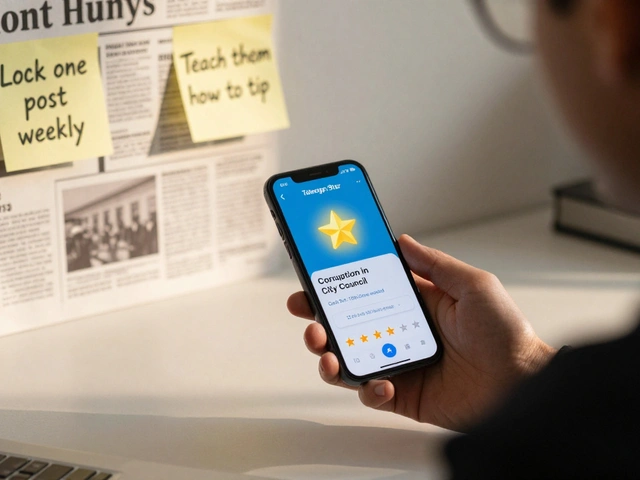
By 2027, we’ll likely see Telegram introduce a "Trust Score" for channels - based on accuracy, transparency, and response time. It might look like a star rating. Or a green check. Either way, it’ll help new users decide faster.
But none of that matters if news organizations don’t start acting like journalists - not influencers. The platform will evolve. But trust? That’s something you earn, one honest post at a time.