Every day, thousands of viral clips flood Telegram channels-raw, unfiltered, and often emotionally charged. But here’s the truth: just because a clip goes viral doesn’t mean it should be shared. Many creators rush to post trending videos without asking the right questions. What’s the story behind it? Who’s really in the clip? Could this mislead people? If you’re not contextualizing before publishing, you’re not sharing content-you’re spreading noise.
Why Telegram Is Different
Telegram isn’t TikTok. It’s not Instagram Reels. On these platforms, algorithms push content based on engagement patterns. On Telegram, people push content. Clips spread because someone in a group thought, "You need to see this," and forwarded it. That changes everything. The responsibility shifts from the algorithm to the person sharing. Telegram’s recent updates have made video sharing smoother: faster loading, higher quality, and support for files over 4GB. But the platform’s core identity hasn’t changed-it’s built on trust, privacy, and community. People join groups because they believe in the people running them. If you post a clip without context, you break that trust.The First Rule: Don’t Just Share-Explain
A clip of a protest, a dog saving a child, or a strange weather event might look shocking. But without context, it’s just a snippet. Here’s how to fix that:- When was it filmed? A video from 2020 labeled as "today’s news" spreads misinformation.
- Where did it happen? Location matters. A clip from Ukraine labeled as "local incident" misleads your community.
- Who filmed it? Is it a verified eyewitness, a news outlet, or someone with an agenda?
- What happened before and after? Viral clips often cut out the beginning or end. That’s where the truth hides.
Don’t just paste the video. Write a short note. One or two sentences. "This was filmed in Kyiv on Jan 12, 2026, by local resident Maria K. The full 5-minute clip shows how neighbors helped each other after the power outage." That’s it. That’s enough.
Context Is the New Hook
Most viral content advice tells you to grab attention in the first 2 seconds. On Telegram, that’s backwards. The hook isn’t the action-it’s the reason to care. Think about it: Why would someone pause their day to watch a 17-second clip? Because they trust you. Because they know you won’t waste their time. If your post says, "This is insane," they scroll past. If it says, "This is how a small town saved its only school from demolition," they watch. Your context isn’t decoration. It’s the story. The opening line of your post is the first frame of your video. Make it count.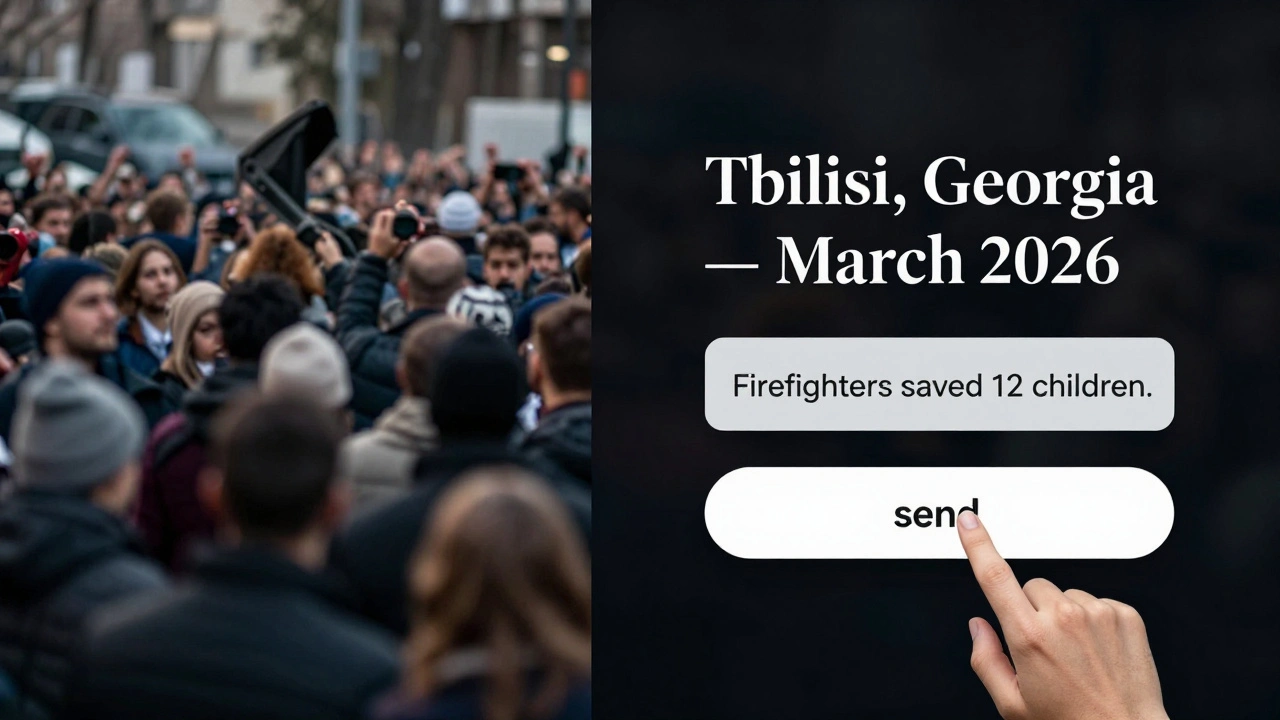
Check for Manipulation
A lot of viral Telegram clips are doctored. Deepfakes, edited audio, mislabeled footage-it’s everywhere. You don’t need to be a tech expert to spot red flags.- Look for unnatural movement. Faces that glitch, shadows that don’t match light sources, or audio that cuts out at odd moments.
- Reverse image search. Upload a frame of the video to Google Images or TinEye. If it shows up in a 2019 news article, you’ve found your context.
- Check timestamps. Telegram videos show upload dates. Compare them to reported events. If the clip was uploaded 3 days after the event, ask why.
- Ask: Who benefits? Is this clip meant to scare? Anger? Divide? If the emotional response feels manufactured, dig deeper.
There’s a clip going around right now of a "flooded city"-but the water is clearly from a movie set. The original video was from a 2023 film premiere. Someone reuploaded it with fake captions. Without context, it went viral. With context, it died.
Use Text Overlays Like a Pro
Over half of Telegram users watch videos without sound. That’s not a coincidence-it’s the platform’s culture. People share clips while commuting, at work, or in quiet spaces. If your video has no captions, it’s invisible. But don’t just add subtitles. Add context.- Put the location in the first frame: "Tbilisi, Georgia - March 2026"
- Highlight key quotes: ""We had 12 hours to save them" - firefighter"
- Use contrast for humor or irony: A clip of someone yelling "I’m fine!" while falling off a ladder? Add: "She said she was fine. The ER disagreed."
Text overlays should answer questions before they’re asked. That’s how you keep viewers watching-and sharing.
Build Shareable Moments
Viral clips don’t spread because they’re long. They spread because they have moments people need to send to someone else. Think of these as "value bombs"-three key moments in your clip that make someone say, "I have to show this to Alex."- Surprise - "The cat actually saved the baby?"
- Emotion - "She cried for 10 minutes straight after reading the letter."
- Relatability - "This is exactly how my grandma talks."
Don’t wait for these moments to happen. Build them. Edit your clip so one of these moments lands in the first 8 seconds, another at the midpoint, and the last in the final 5 seconds. That’s the sweet spot for forwarding.

Respect the Platform’s Values
Telegram’s users care about three things: privacy, truth, and community. If your clip feels like clickbait, it won’t last. If it feels like a public service announcement, it will. Ask yourself:- Would I feel comfortable sending this to my mom?
- Would I be proud if this was the first thing someone saw when they joined my channel?
- Am I helping people understand the world-or just getting views?
There’s a difference between sharing something because it’s shocking and sharing something because it’s meaningful. The first gets 100 views. The second gets 10,000 shares.
What to Do When You’re Not Sure
You found a clip. You’re not sure if it’s real. You don’t know the full story. Don’t post it. Instead:- Post a question: "Does anyone know what’s going on here?" Attach the clip.
- Ask your community: "Can anyone verify the date or location?"
- Wait 24 hours. Often, someone will find the original source.
That’s not slow-it’s smart. It builds trust. It turns your channel into a place people rely on, not just scroll through.
Final Thought: You’re Not a Distributor. You’re a Guide.
On Telegram, you’re not a content creator trying to go viral. You’re a curator. Someone’s trust is in your hands. Every clip you share is a vote for what kind of community you want to build. Context isn’t extra work. It’s the whole point.Before you hit send, ask: "Am I helping someone understand-or just making them react?"
Why is context more important on Telegram than on TikTok or Instagram?
Telegram is built for private sharing and group conversations, not public feeds. People forward clips to friends, family, or community groups because they trust the sender. If you post without context, you’re not adding value-you’re adding confusion. On TikTok, the algorithm rewards fast, emotional reactions. On Telegram, people reward clarity, truth, and reliability.
Can I use AI tools to auto-generate context for my clips?
AI can help with transcription or basic tagging, but it can’t replace human judgment. AI won’t know if a video was filmed during a protest or a rehearsal. It won’t sense if someone’s emotional tone is being manipulated. Always review AI-generated context yourself. Use it as a starting point-not a final answer.
What if I accidentally share a false clip? Can I fix it?
Yes-but you have to act fast. Delete the original post immediately. Then post a new message: "Correction: The clip I shared earlier was mislabeled. Here’s the correct info." Include the source, the mistake, and your apology. People respect honesty more than perfection. A quick correction builds more trust than pretending you never made a mistake.
How do I find the original source of a viral clip?
Start by taking a screenshot of a clear frame from the video. Use Google Images or TinEye to search for it. Look for news articles, forums, or previous posts with the same footage. Check timestamps-if the clip was uploaded 2 days after a reported event, it’s likely not live. Also, search for key phrases from the audio using Google or YouTube. Often, the original is still out there.
Should I always add captions, even if the clip has no dialogue?
Yes. Even silent clips need context. Use text overlays to explain what’s happening: "Firefighters rescued this dog from a collapsed building," or "This drone shot shows the flood’s progress over 48 hours." If viewers can’t understand the clip without sound, they’ll skip it. Captions aren’t just for accessibility-they’re for clarity.
What’s the biggest mistake people make when sharing Telegram clips?
Assuming that because it’s trending, it’s true. Viral doesn’t mean verified. The most shared clips are often the ones with the most misleading context. The best way to stand out? Be the person who says, "I checked this. Here’s what really happened." That’s the kind of content people keep coming back for.