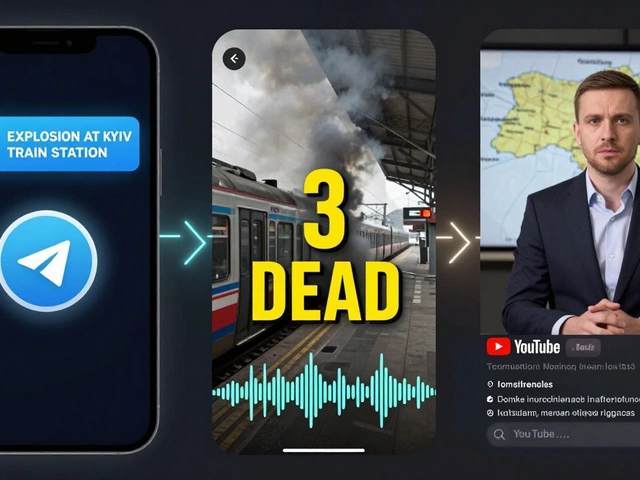
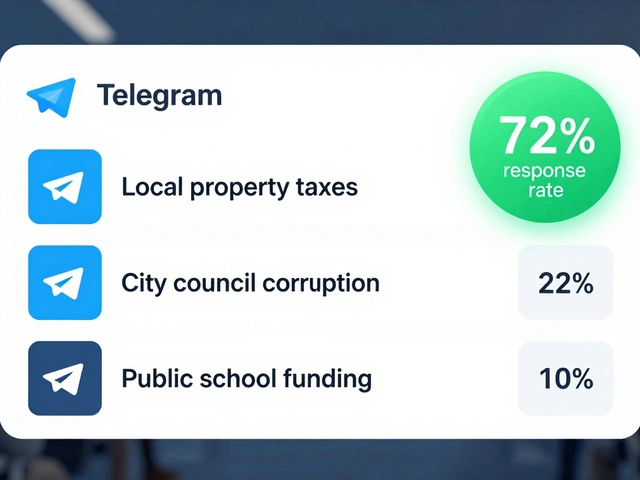
Ever posted something you thought was a home run, only for it to land with a thud? You check the stats: views are down, reactions are sparse, and nobody is forwarding your link. It’s frustrating, but more importantly, it’s expensive if you’re running ads or relying on sponsorships. This isn’t just bad luck; it’s content fatigue. Your audience has seen enough of this specific format, topic, or tone, and their brains have tuned you out.
On platforms like Meta or TikTok, algorithms tell you when an ad is dying through rising costs and dropping click-through rates. Telegram is different. It’s organic, direct, and lacks those built-in auction signals. But that doesn’t mean you’re flying blind. By combining native Telegram statistics with third-party tools, you can spot the exact moment your audience starts checking out before it ruins your channel’s growth trajectory.
The Anatomy of Content Fatigue on Telegram
Content fatigue happens when your subscribers are exposed to repetitive or predictable content, causing their responsiveness to drop. In advertising terms, we call this "creative fatigue." On Telegram, it manifests as a gradual decline in key metrics despite consistent posting schedules.
Think about your own feed. If a channel posts five times a day about the same niche topic using the same headline style, you eventually mute it or stop opening the notifications. That mental shift-from active interest to passive ignoring-is what we need to measure. Without user-level frequency data (like "this user saw this post 3 times"), we have to infer fatigue from aggregate behavior. When the collective group stops reacting, shares, or growing, fatigue is likely setting in.
Core Metrics to Watch in Native Analytics
You don’t always need expensive software to start detecting issues. Telegram’s built-in analytics dashboard provides the raw signals necessary to build a baseline. Access these by tapping your channel name and selecting "Statistics." Here are the three primary indicators to monitor weekly:
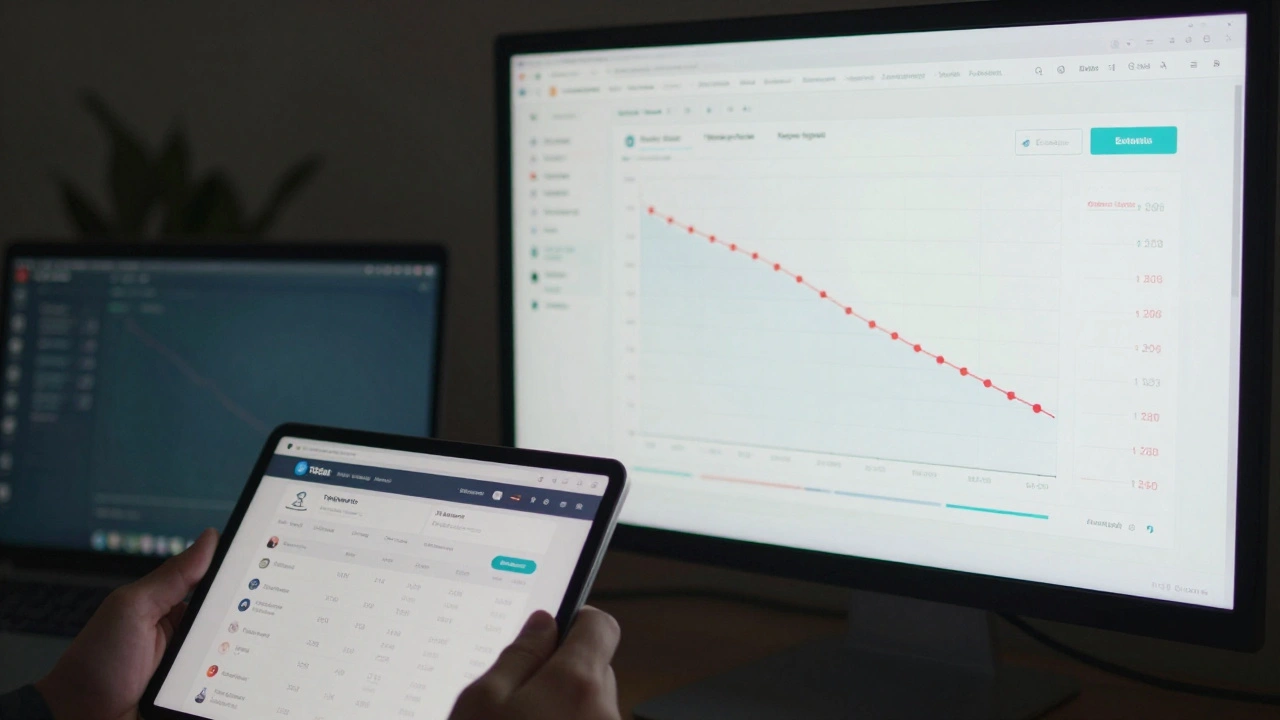
- Average Views Per Post: Look at the trend line over the last 30 days. Is the average view count dropping even though your subscriber base is growing? If yes, your reach per follower is shrinking, a classic sign of fatigue.
- Engagement Rate (Reactions + Forwards / Views): Views are vanity; interactions are sanity. Calculate your engagement rate for each post. If your historical average is 8% and recent posts consistently hit 4%, your content is losing resonance.
- Subscriber Growth vs. Churn: A high subscriber count with slowing net growth suggests you’re attracting people who leave quickly. Check the "New Followers" graph against the "Unsubscribes" data (available in detailed stats). Rising churn alongside stagnant growth indicates dissatisfaction.
For example, if you post educational threads every Tuesday, track the median engagement of those threads over the past month. If the median drops by 20-30% compared to the previous month’s baseline, flag it. This "baseline-and-delta" method borrows from paid social strategies, where a 20% drop in CTR triggers a creative refresh. Apply the same logic here.
Enhancing Detection with Third-Party Tools
Native stats are good, but they lack depth. To truly understand *why* fatigue is happening, you need granular data from specialized analytics platforms. These tools provide context that native dashboards miss, such as sentiment analysis and competitor benchmarking.
| Tool | Primary Function | Fatigue Signal Detected |
|---|---|---|
| TGStat | Channel Growth & Trends | Declining engagement trends relative to category averages |
| Telemetrio | Subscriber Dynamics | Rising churn rates and low activity among new joins |
| Combot | Group Activity Tracking | Drops in daily messages per active user |
| Brand24 | Sentiment Analysis | Increase in negative keywords like "spammy" or "boring" |
| Popsters | Cross-Platform Engagement | Underperformance of recent posts vs. top historical benchmarks |
Telemetrio is particularly useful for tracking subscriber dynamics. It helps you distinguish between slow acquisition and actual disengagement. If your gross additions are stable but net growth plummets because unsubscribes spike, your content is failing to retain interest. Similarly, Combot is essential for groups. It tracks daily activity levels. If message volume drops or becomes concentrated among just two users, the broader community has gone silent-a clear fatigue signal.
For channels, LiveDune and Popsters allow you to compare individual posts. They help you identify if a specific content type (e.g., long-form text) is underperforming compared to others (e.g., images). This granularity lets you pinpoint exactly which part of your strategy is tired.
Building a Fatigue Detection Workflow
Monitoring manually is error-prone. Building a semi-automated workflow ensures you catch fatigue early. You can use automation platforms like n8n or Zapier to pull data from Telegram APIs or third-party tools and send alerts to a private admin chat.
- Establish Baselines: For each content category (news, tutorials, promos), calculate the average engagement rate and views per subscriber over the last 10 posts. This is your "fresh" baseline.
- Set Thresholds: Define a fatigue trigger. A common rule of thumb is a 20-30% drop in engagement rate or views per subscriber compared to the baseline, sustained over 3-5 consecutive posts.
- Automate Data Collection: Use a scheduled trigger (e.g., every Monday morning) to fetch the latest week’s metrics. Tools like TGStat offer APIs for this purpose.
- Calculate Deltas: Compare current week metrics against the baseline. Flag any category where the metric falls below the threshold.
- Add Sentiment Context: Integrate data from Brand24 to check for spikes in negative mentions. High negative sentiment combined with low engagement confirms fatigue rather than a temporary dip.
- Alert and Act: Send a summary report to your team. If fatigue is detected, pause the underperforming content type and rotate in fresh formats.
This approach mirrors professional ad management. Just as marketers replace creatives when CPM rises and CTR falls, you should refresh content when engagement deltas turn negative. The goal is to stay ahead of the curve, not react after subscribers have already left.
Responding to Detected Fatigue
Once the signals confirm fatigue, immediate action is required. Ignoring it leads to compounding losses as churn accelerates. Here are practical steps to reset audience attention:
- Rotate Formats: If text posts are fatigued, switch to carousels, short videos, or polls. Visual variety breaks the pattern recognition that causes tuning out.
- Pivot Topics: Analyze which sub-topics still perform well. If "market updates" are stale but "tool reviews" remain strong, shift focus temporarily to re-engage the core audience.
- Change Posting Times: Sometimes fatigue is temporal. Experiment with posting at off-peak hours to catch users who might be scrolling differently.
- Introduce Interactive Elements: Use quizzes, AMAs, or community challenges. Interaction forces cognitive engagement, breaking the passive consumption loop.
- Prune Audience: Use tools like TrendHero to remove inactive or fake subscribers. Inflating your denominator skews engagement rates and masks true fatigue levels.
Remember, fatigue is natural. Even the best content loses potency over time. The key is detection speed. By treating Telegram analytics as a diagnostic tool rather than just a scorecard, you maintain relevance and sustain long-term growth.
What is the most reliable indicator of content fatigue on Telegram?
A sustained 20-30% drop in engagement rate (reactions + forwards divided by views) compared to your historical baseline is the most reliable signal. This should be observed across multiple consecutive posts, not just one outlier.
Can I detect content fatigue without third-party tools?
Yes, using native Telegram analytics. Monitor the trend lines for average views per post and subscriber growth. If views per subscriber decline while total subscribers rise, fatigue is likely occurring. However, third-party tools provide deeper insights into churn and sentiment.
How often should I check for content fatigue?
Weekly monitoring is recommended. Daily fluctuations are normal noise, but weekly trends reveal meaningful shifts in audience behavior. Automating this process ensures consistency and prevents oversight during busy periods.
Does subscriber growth mask content fatigue?
Absolutely. Rapid subscriber growth can dilute engagement rates if new members are less engaged than existing ones. Always normalize metrics by dividing engagement by subscriber count to get an accurate picture of per-user interest.
What role does sentiment analysis play in detecting fatigue?
Sentiment analysis adds qualitative context to quantitative drops. An increase in negative keywords like "boring" or "repetitive" confirms that declining engagement is due to content quality issues rather than external factors like platform algorithm changes.