You know the feeling. You post an update in your Telegram channel, and it vanishes instantly under a wall of spam and unrelated debates. Hosting an Ask Me Anything session is the opposite of that noise. It is a structured moment where your audience gets clarity, and you get direct feedback without the distraction. When done right, a Telegram AMAinteractive Q&A format where hosts interact with their audience by answering questions in real-time becomes one of the most powerful tools in your community growth arsenal.
The challenge isn't asking people to attend; it's keeping them engaged once they arrive. Unstructured events risk derailing quickly. Your news subscribers are usually busy and informed. They expect value, not filler. If you promise a deep dive into a roadmap update but spend twenty minutes talking about coffee, you've lost them. This guide breaks down exactly how to run these sessions, from setting realistic expectations to archiving the conversation for those who missed the live window.
Setting Clear Objectives Before You Schedule
Before you even open the calendar, define what success looks like. You cannot improve what you do not measure. Vague aspirations like "we want better engagement" do not help you decide if the session was a win. Instead, apply the SMART Goalsgoal-setting framework ensuring objectives are Specific, Measurable, Achievable, Relevant, and Time-bound. This ensures everyone involved knows the target outcome.
For instance, aim to drive a 20 percent increase in Telegram engagement during the session week. Or, target attracting 500 live attendees in the chat room. You might even set a qualitative goal, such as gathering fifty substantive community questions to address recurring confusion. These metrics make post-analysis possible. If you planned for 500 people and got 400, you analyze why. If you aimed for 50 questions and only got five, you know your prompts failed. By anchoring your plan to concrete data, you turn a social event into a strategic operation.
Also, consider the broader business impact. Are you trying to launch a new feature? Clarify a controversial policy decision? Humanize your leadership team? A single session often tries to do too much. Pick one primary theme. If the topic is "Project Roadmap," don't let the conversation drift into "General Industry Gossip." Stick to the core narrative that drives your subscribers forward.
Choosing Between Text and Voice Formats
In 2026, the debate over text versus voice communication persists, though text remains the king of asynchronous interaction. Most crypto and technology communities prefer text-based AMAs hosted on platforms like Telegram, Discord, or Reddit. Why? Because text allows for archiving. It allows users to participate at their own pace. A text thread can be pinned to the top of the group, accessible months later.
Voice sessions, like those on Twitter Spaces or voice channels in Discord, offer immediate vocal nuance. However, they require your audience to drop everything and listen live. If they miss it, they miss it entirely unless you have a recording. For a news subscriber base, which often consists of professionals balancing multiple tabs, text is safer. It respects their time.
| Feature | Text-Based (Telegram/Discord) | Voice-Based (Spaces/Live) |
|---|---|---|
| Accessibility | High (Read later) | Low (Live only unless recorded) |
| Engagement Style | Sequential, linear questions | Real-time, chaotic interruption |
| Moderation Difficulty | Medium (Requires filtering text) | High (Hard to mute mic spammers) |
| Archive Value | Easy to pin and search | Requires transcription or long video links |
| Audience Preference | Dominant for Tech/Crypto | Niche for Podcast-style listeners |
Hybrid approaches exist. You could host a short voice introduction on Twitter and link back to a Telegram text thread for the heavy lifting. But starting out, keep it simple. Master the text format on Telegram first. It aligns best with the way news subscribers consume information.
The Critical Role of Moderation
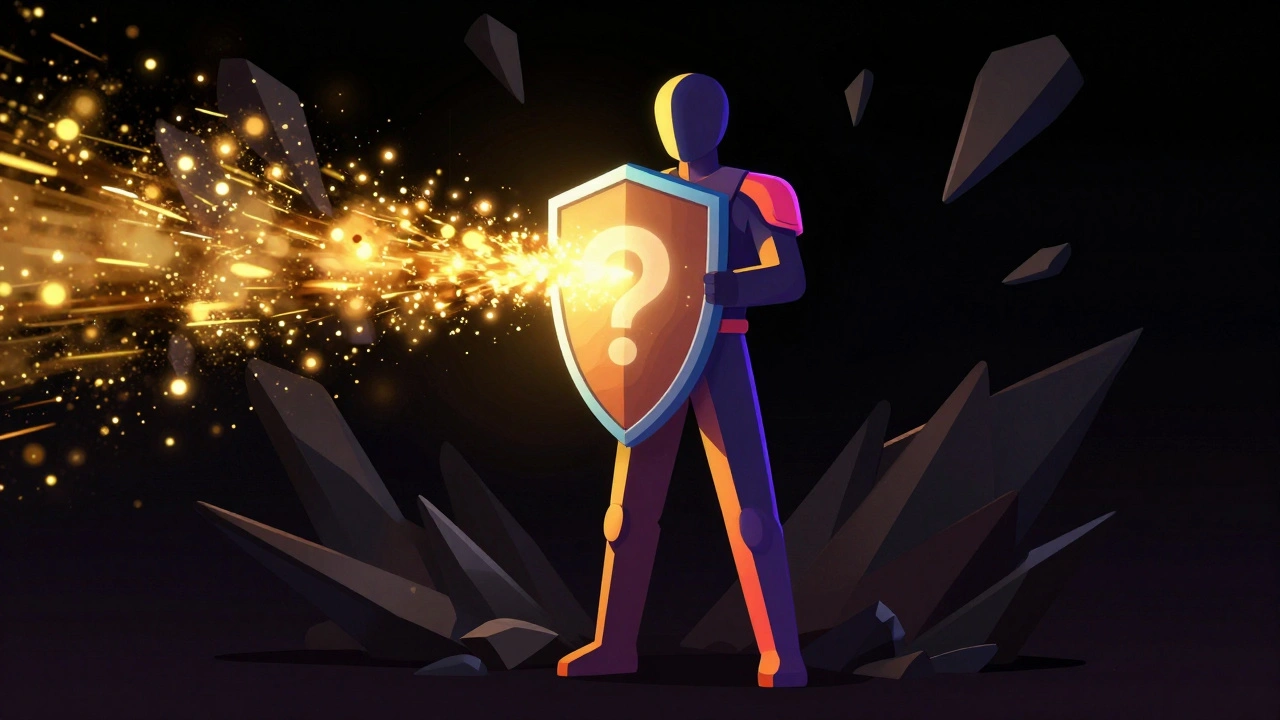
This is where most organizers fail. They invite guests and leave the chat open. In fast-moving chats, this is a disaster waiting to happen. Spam bots, trolls, and off-topic arguments can hijack the feed in seconds. You need a skilled moderator whose only job is to manage the flow. They are the shield between your host and the chaos.
Your moderator must be empowered to act decisively. If someone asks a duplicate question that was already answered ten minutes ago, the moderator filters it. If a spam account joins and posts a phishing link, the moderator deletes and mutes immediately. Do not ask the host to do this. Their brain needs to stay focused on answering high-signal questions.
The moderator also curates the questions. Imagine a queue of fifty questions. You cannot answer them all in order of arrival. Group similar themes together. If three people ask about the tokenomics, combine them into one comprehensive response. This prevents repetition and keeps the conversation moving logically. Furthermore, prepare for the "tough" questions. In Web3 communities, skepticism is healthy. The moderator helps ensure hostile questions are treated professionally rather than shutting down the guest.
Structuring the Session Timeline
Clocks tick fastest when you are live. A well-timed agenda keeps energy levels up. Based on industry standards from platforms like Coinbound, here is a reliable blueprint:
- Introduction (5 Minutes): Start with a warm welcome. Introduce the speaker clearly-who are they, and why does their expertise matter? Give a brief overview of the project updates relevant to the talk. Keep it tight.
- Pre-Submitted Questions (15-25 Minutes): Allow subscribers to submit questions via a form or bot beforehand. This filters out low-effort queries. The host answers these first because they are often the most complex and researched.
- Live Questions (10-20 Minutes): Open the floor for real-time input. The moderator feeds the best ones to the host. Watch for duplicates here and filter aggressively.
- Wrap-Up (5 Minutes): Reiterate next steps. Drop links to resources mentioned. Tell people exactly when they can expect a transcript or summary.
Total time should rarely exceed 45 minutes. Attention spans in chat environments degrade rapidly after that point. Ending slightly early leaves them wanting more, while running overtime frustrates those who have to log off.
Preparing Guests and Talking Points
A guest often shows up thinking they are there to "chat." You need to steer them toward value creation. Provide a list of 5 to 10 topics you hope to cover. These aren't strict scripts, but guardrails. Ensure they understand which products or features are ready for public discussion and which are still in private beta. Never allow half-baked ideas to surface in a public AMA; confusion leads to market volatility.
Talking points should cover four pillars:
- Product Updates: What is actually shipping soon? Be specific with dates.
- Partnerships: Explain the significance of new deals beyond just names.
- Tokenomics: Address the financial structure transparently. Hiding inflationary risks destroys trust.
- Roadmap: Show progress on deliverables. Avoid vague promises like "we will grow in Q4."
The most effective guests balance prepared responses with spontaneity. They answer the specific questions asked but connect them back to the big picture. This authenticity builds genuine rapport with the subscriber base.

Post-Event Follow Up and Documentation
The work isn't done when the chat ends. The true asset of an AMA is the content generated. Transcripts and recaps extend the life of the session indefinitely. Publish a written summary on your website or social media pages. This serves as permanent documentation.
Recaps allow those who couldn't attend to catch up. It also acts as a reference for future debates. If someone claims you said something different last month, you can link directly to the recap. This creates accountability and transparency. Finally, gather feedback from attendees. Did they find the Q&A helpful? Which questions were missing? Use this data to refine the format for the next cycle.
Frequently Asked Questions
What is the best time to host a Telegram AMA?
The optimal time depends on your subscriber distribution. For global audiences, overlap periods like late afternoon Eastern Standard Time (US) or mid-morning UTC often work best. Test different times and track attendance to find your peak.
How many moderators do I need?
For a standard session under 1,000 members, one active moderator is sufficient. For larger groups, have at least two to handle spam deletion and question sorting simultaneously without slowing down the chat.
Should I allow anonymous questions?
Yes. Anonymous submission increases the quality of feedback. Subscribers often have sensitive concerns they hesitate to attach their identity to. It fosters honesty.
Can I monetize my Telegram AMA?
Direct monetization is rare, but AMAs build the trust required for conversions later. You can sponsor sessions with partners instead of charging attendees directly, preserving goodwill.
How do I prevent FOMO-driven spam?
Require bot verification before allowing message access. Set auto-mute rules for keywords related to scams or unsolicited trading calls. A pre-screened question queue is also highly effective.
Latest Posts