Telegram is one of the most popular messaging apps in the world, with millions of users sharing news, videos, and group chats every day. But for kids and teens, it can be a dangerous place-especially when they join public news channels or private groups without understanding the risks. Unlike apps like Instagram or TikTok, Telegram doesn’t check your age when you sign up. A 10-year-old can create an account just as easily as a 30-year-old. And once they’re in, they might stumble onto violent content, predatory strangers, or explicit material-without any warning.
Why Telegram Is Risky for Minors
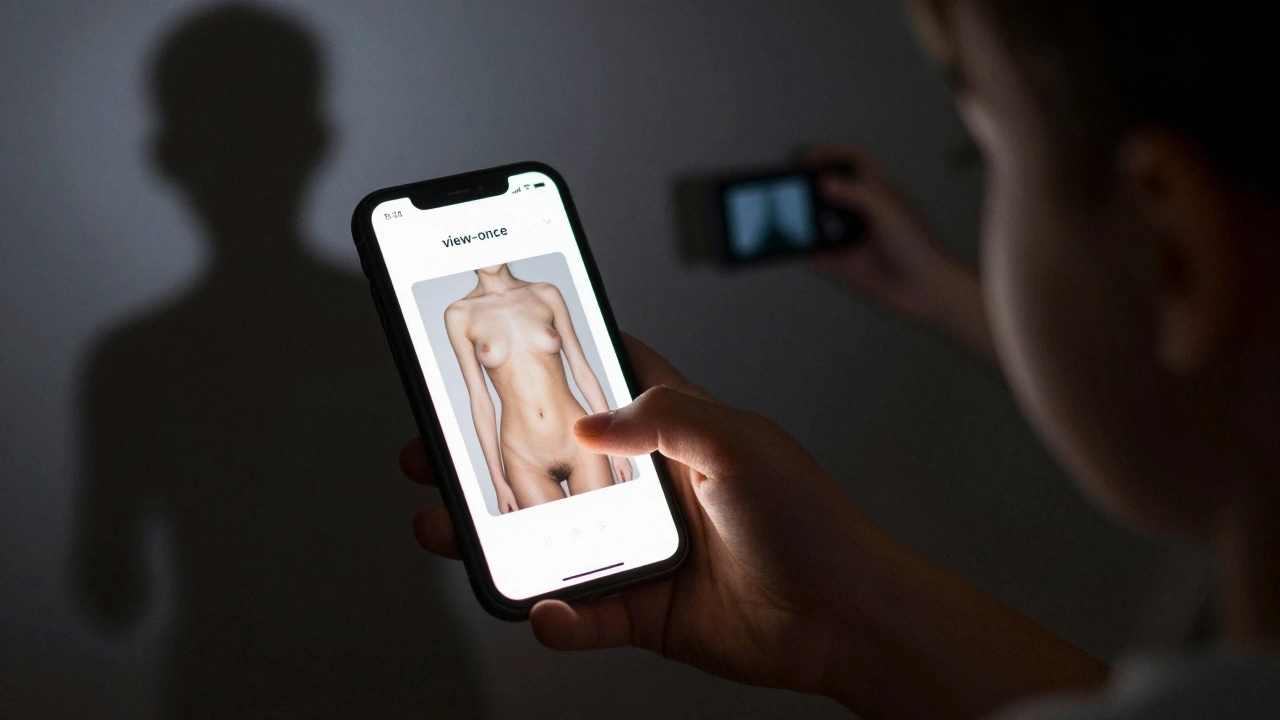
Telegram’s design prioritizes privacy over safety. That’s great for journalists, activists, or adults who want to keep their conversations private. But for kids, it’s a recipe for trouble. The app doesn’t filter content in public channels. If someone posts a video of a violent protest, a graphic crime scene, or sexually explicit material, it shows up without any age gate. And because Telegram doesn’t require phone number verification beyond linking a number (which can be fake or borrowed), there’s no way to know who’s really behind a channel or group.One of the biggest dangers is the "view-once" message feature. It sounds safe-messages disappear after being seen. But kids don’t realize that anyone can take a screenshot, record the screen, or use third-party tools to save the content before it vanishes. Once a photo or video is sent, the sender loses all control. That’s why so many cases of teen sexting and cyberbullying on Telegram end in trauma, blackmail, or even legal trouble.
Public channels are especially risky. They’re often run by strangers who post news, memes, or entertainment content-but also sneak in adult material, extremist views, or grooming tactics. A child might join a "news for teens" channel thinking it’s about sports or school, only to find themselves exposed to disturbing images or messages from adults pretending to be peers.
What Telegram Doesn’t Do (But Should)
Telegram claims to have a zero-tolerance policy for child sexual abuse material (CSAM). And yes, they scan public media using hash databases to block known illegal content. But here’s the problem: that only works for public posts. Private chats, encrypted messages, and group conversations are completely invisible to Telegram’s systems. That means if a predator is grooming a child in a private group, Telegram has no way to see it-even if the child reports it later.There’s no age verification. No parental consent option. No way to block minors from joining certain channels based on content type. And while Telegram has a reporting button, it’s buried deep in the app. Most kids don’t know how to use it-or fear they’ll get in trouble if they tell an adult.
Australia’s eSafety Commissioner took action in late 2025, forcing Telegram to stop challenging rules that require better child protection. The platform eventually backed down-but still hasn’t added basic safeguards like age gates, content filters for minors, or tools for parents to monitor activity. That leaves families with only one option: take matters into their own hands.
How Parents Can Protect Their Kids
The good news? You don’t need to take away your child’s phone. You just need to set clear boundaries and use the tools available.
- Lock down privacy settings. Go into your child’s Telegram account and change these settings:
- Set "Who can see my phone number" to "Nobody"
- Set "Who can see my profile photo" to "My Contacts"
- Set "Last Seen and Online" to "My Contacts"
- Block unknown contacts. Teach your child to never accept messages from people they don’t know in real life. If someone they’ve never met sends a link, a video, or asks for personal info-tell them to block and report immediately.
- Review every group they join. Ask your child: "Who runs this group? What do they post? Have you seen anything weird?" If they can’t answer, it’s a red flag.
Also, turn off "Secret Chats" entirely. These encrypted chats are designed to be untraceable-and that’s exactly why predators use them. There’s no way for parents to monitor them, and they’re not protected by any safety features. If your child needs to talk privately, encourage them to use a family-approved app like Signal instead.

Third-Party Tools That Actually Work
Some parents try to spy on their kids’ messages. That breaks trust. The better approach? Use tools that alert you to danger without reading private texts.
- Bark monitors activity across devices and sends alerts when it detects keywords like "sex," "naked," "meet up," or "I’m scared." It works on Telegram, even though the app is encrypted-because it scans the device’s notifications, not the messages themselves.
- AirDroid Telegram Monitor gives you real-time alerts for explicit content and suspicious behavior. It doesn’t store messages, but it flags when something dangerous is sent or received.
- Kidslox lets you set daily time limits and block Telegram during homework hours or after bedtime. It’s not about control-it’s about creating safe windows for use.
These tools don’t replace conversation. They support it. Use them as a safety net, not a surveillance system.
Teach, Don’t Ban
The most effective protection isn’t a setting or an app-it’s a conversation. Talk to your child like this:
- "If someone asks you to send a private photo, even if they say it’s just for fun, say no. That’s never okay."
- "If you see something scary or confusing on Telegram, come to me. I won’t yell. I won’t take your phone. I’ll help you."
- "You don’t have to be friends with someone just because they’re in the same group. Real friends don’t pressure you."
Studies show that kids who feel safe talking to their parents about online risks are 70% less likely to engage in risky behavior. The goal isn’t to lock them out of the digital world. It’s to give them the skills to navigate it without getting hurt.
What About Other Apps?
Signal is the closest alternative. It offers the same end-to-end encryption as Telegram but has better reporting tools and a smaller, more trusted user base. The problem? Most teens use Telegram because their friends are there. If you switch your child to Signal, they’ll be isolated. That’s not a solution-it’s a punishment.
WhatsApp? It’s better moderated than Telegram, but still lacks parental controls. Instagram Direct? It has AI filters and reporting-but teens are moving away from it. There’s no perfect app. The reality is: Telegram is where the traffic is. And if your child is using it, you need to prepare-not panic.
What’s Changing in 2026?
Australia’s move in late 2025 is a sign of what’s coming. Other countries are watching. Governments are starting to demand that platforms like Telegram implement age verification, content filters for minors, and mandatory parental consent for users under 16. But until those laws are enforced globally, the responsibility falls on families.
Telegram might one day add protections. But right now? It’s up to you.
Can Telegram see what my child is messaging?
No. Telegram cannot see messages in Secret Chats or private groups because they’re end-to-end encrypted. Even if law enforcement asks, Telegram doesn’t have access. That’s why third-party monitoring tools that scan device notifications are the only way parents can get alerts about risky activity.
Is it illegal for a child under 16 to use Telegram?
It’s against Telegram’s terms of service, but not illegal in most countries-yet. Australia made it illegal for platforms like Telegram to allow users under 16 to create accounts as of December 2025. Other countries are likely to follow. Even if it’s not illegal now, it’s still risky.
What should I do if my child received a threatening message on Telegram?
Don’t delete the message. Take a screenshot. Block the sender. Report the account through Telegram’s in-app reporting tool. Then contact your local child protection agency or law enforcement. If the message involves sexual content or threats, report it to the National Center for Missing & Exploited Children (NCMEC) or your country’s equivalent.
Can I block specific channels my child joined?
You can’t block channels remotely, but you can guide your child to leave them. Open Telegram together, go to "Chats," find the channel, tap the three dots, and select "Leave Channel." If your child refuses, explain why it’s dangerous. If they’re old enough to understand, let them make the choice-but make sure they know the consequences of staying.
Are there any free tools to monitor Telegram?
Yes. Bark offers a free tier that alerts you to explicit content and concerning keywords. Kidslox also has a free version with basic app blocking. Neither can read encrypted messages, but they can warn you when your child is exposed to danger. Paid tools like AirDroid offer more detailed alerts but aren’t necessary for most families.
Latest Posts