The core struggle here is the "double-edged sword" of privacy. The same features that allow a pro-democracy activist in Iran to coordinate a protest without being arrested are the ones that make intelligence agencies in France or the UAE nervous. If a platform is truly private, it protects the dissident, but it also shields the criminal. Navigating this tension is the central challenge of modern regulatory governance.
The Technical Guardrails of Political Speech
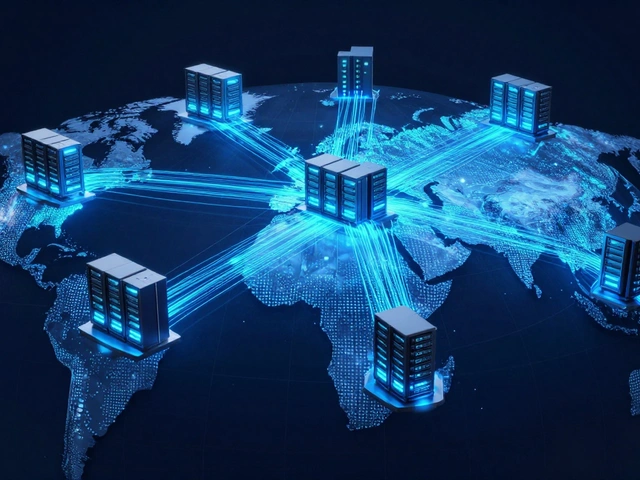
To understand why political actors flock to this platform, we have to look at how it's built. Telegram isn't just one big chat room; it's a hybrid of a messenger and a broadcasting tool. The use of Channels allows a single entity to broadcast messages to an unlimited number of subscribers. This creates a one-to-many communication flow that is vital for distributing real-time news during elections when traditional media is censored.
Then there are the Groups, which are used for the actual "boots on the ground" coordination. During the 2019 Hong Kong protests, activists used these groups to share live locations of police presence and strategize next moves. They didn't just rely on the app, though. They built a secondary layer of security, circulating guides on using VPN (Virtual Private Networks) and prepaid SIM cards to hide their real identities from state surveillance.
One massive point of confusion is encryption. Many people assume every chat on the platform is locked tight, but that is not the case. While End-to-End Encryption (E2EE) is available, it is not enabled by default. Users have to start a "Secret Chat" to get this level of protection. Furthermore, E2EE does not work in group chats. This is a critical distinction because it means that while a private one-on-one conversation might be invisible to the company, large-scale political coordination happens on servers where the data is encrypted at rest, but not necessarily end-to-end.
How Telegram Differs from the Competition
Why not just use WhatsApp or Signal? The answer lies in the scale and the discovery mechanism. WhatsApp is tied closely to your phone's contact list, which is great for family but limiting for political movements. Signal is the gold standard for privacy, but it lacks the massive broadcasting capabilities of Telegram's channels.
| Feature | Telegram | Signal | |
|---|---|---|---|
| Default E2EE | No (Optional) | Yes | Yes |
| Broadcasting Channels | Unlimited scale | Limited | Small groups |
| Censorship Resistance | High (Difficult to block) | Moderate | Low (Meta-owned) |
| Algorithmic Feed | None | None | Minimal |
Because there is no algorithmic promotion, the spread of a political message on Telegram depends on organic referrals. If a channel grows, it's because people are actively sharing the link, not because a computer decided it was "engaging." This makes the platform significantly more resistant to the kind of state-sponsored bot farms that often hijack conversations on X (formerly Twitter) or Facebook.

Governance and the "Anti-Censorship" Philosophy
The platform's approach to content is essentially: "We don't care if you're criticizing the government." This is a direct reflection of the founders' experiences with the Russian state. While the platform does block terrorist-related content (like ISIS bots), it generally refuses to take down political speech even when requested by a sovereign government.
This creates a massive headache for regulators. In countries like France, investigators have found that the same anonymity that protects a human rights lawyer also protects drug traffickers and extremists. This is the classic trade-off of digital governance. If you build a door that no one-not even the landlord-can open, you protect the tenant's privacy, but you also provide a hiding spot for criminals.
To manage this, the platform uses a reporting-based system. They don't proactively scan your messages for "problematic" political opinions. Instead, they rely on users to report violations, and they use a Spambot to handle blocks and appeals. It's a lean, decentralized model of moderation that prioritizes the individual's right to speak over the state's desire for order.
The Gaps in the Armor: Risks and Reality
No system is perfect. While the content of a message might be hidden, metadata-the "who, when, and where" of a conversation-can still be a vulnerability. If a state actor can see that a thousand people are suddenly messaging the same coordinate in a city, they don't need to read the messages to know a protest is happening.
There is also the problem of the "echo chamber." Because there is no one moderating political channels and no algorithm pushing opposing views, misinformation can spread like wildfire. During the war in Ukraine, for instance, both sides used the platform to push propaganda. The privacy features that stop a government from deleting a post also stop the platform from correcting a lie. This means that while political speech is protected, its accuracy is not guaranteed.

Lessons for Future Democratic Infrastructure
What can we learn from the way Telegram is used during election cycles? First, that there is a massive, unmet demand for infrastructure that doesn't prioritize profit or government compliance. People want tools that give them control over their own encryption and their own visibility.
Second, the "searchability" of a platform is a political feature. By making channels harder to find via global search and relying on direct links, the platform prevents the easy "hijacking" of political discourse by outside actors. It forces communities to be intentional about who they trust and who they follow.
Finally, the success of this model shows that a clear, public commitment to non-censorship creates a powerful brand of trust. When users know the platform won't cave to a government request to delete a political dissident, they move their entire operational infrastructure there. This trust is the most valuable asset a communication tool can have in an era of surveillance.
Is Telegram actually secure for political activists?
It depends on how you use it. For maximum security, activists must use "Secret Chats" for one-on-one conversations to get end-to-end encryption. Because group chats and standard channels are not end-to-end encrypted, users often supplement the app with VPNs and anonymous SIM cards to prevent their phone numbers from being tracked by state authorities.
Why does Telegram not use end-to-end encryption by default?
Telegram prioritizes a "cloud-based" experience. By storing messages on their servers (encrypted but not end-to-end), they allow users to access their accounts from multiple devices seamlessly. E2EE requires the keys to stay on the device, which means if you lose your phone or switch devices, you lose the chat. They offer Secret Chats as a trade-off for those who need maximum privacy over convenience.
How does the platform handle government requests to remove political content?
The platform generally ignores requests to remove content based on political opinions or criticisms of the government, citing the founders' principles of free speech. However, they do comply with laws regarding the removal of terrorist-related content and child abuse material.
Can governments block Telegram entirely?
Many countries have tried, and some have succeeded in partially blocking it. However, Telegram is technically more difficult to block than many other apps because it frequently updates its proxy settings and allows users to use MTProto proxies to bypass national firewalls.
Does Telegram use algorithms to promote political news?
No. Unlike Facebook or X, Telegram does not have a discovery algorithm that pushes content into your feed based on your interests. Growth is organic; you find channels through direct links, search, or referrals from other users.
What to do next
If you are managing a community or organizing a political movement, don't rely on a single tool. Diversify your communication. Use Telegram for broadcasting and large-scale coordination, but move sensitive, high-risk strategic planning to an app with default end-to-end encryption for all participants, like Signal.
For those in high-risk environments, audit your account settings. Hide your phone number from everyone in the privacy settings and use a Two-Step Verification password. This prevents "SIM swapping" attacks where a government actor takes over your phone number to gain access to your account.