Imagine posting a meme about New York traffic at 9 AM EST. You expect laughs from your American followers. But what happens to the users in Tokyo? They are likely asleep. What about the friends in Madrid? They are just starting their day. If you treat your entire Telegram channel as one giant bucket of people, you are leaving engagement on the table. This is where segmenting Telegram audiences is the strategic process of dividing your subscriber base into distinct groups based on geographic location and linguistic preferences to optimize content delivery. It transforms a chaotic broadcast into a targeted conversation.
As of 2026, Telegram’s user base is no longer dominated by a single region or language. The platform has gone global. Asia accounts for 38% of all users. Europe holds 27%. Latin America makes up 21%, while the Middle East and North Africa (MENA) represent 8%. When your audience is spread across these continents, a "one-size-fits-all" approach doesn't just fail; it actively alienates half your community. You need a system that respects time zones, cultural nuances, and language barriers.
The Hard Truth About Native Telegram Targeting
Here is the first hurdle you will hit: Telegram does not make this easy. Unlike Facebook or Twitter, Telegram lacks robust native tools for geolocation targeting. On Facebook, you can target ads down to the state level. On Twitter, you can schedule posts for specific countries via platforms like SproutSocial. Telegram? Not so much. The platform provides limited built-in functionality for filtering users by country or language preference.
This limitation creates a gap. Marketers cannot simply click a button to send a Spanish message only to subscribers in Mexico. Instead, they must rely on third-party solutions and structural workarounds. Platforms like Telega.io have emerged to fill this void. Telega.io operates a curated directory of over 5,000 manually verified channels across more than 15 languages. While this helps with discovery, managing an existing diverse audience requires a different set of tactics. You have to build your own segmentation infrastructure using bots, analytics, and smart content scheduling.
| Platform | Native Geo-Targeting | Language Segmentation | Third-Party Dependency |
|---|---|---|---|
| High (Country/State) | High | Low | |
| Twitter/X | Medium (Country) | Medium | Low/Medium |
| Telegram | Low/Limited | Low | High |
Mastering Time Zones and Posting Schedules
Geographic segmentation is useless if you post at the wrong time. Data from Postiz's 2026 Telegram Analytics Guide highlights a critical reality: geographic distribution dictates optimal posting times. If you publish during peak hours in New York, you miss the audience in Tokyo due to the 12+ hour time zone difference. Conversely, posting for Tokyo might mean your European audience sees your content late at night.
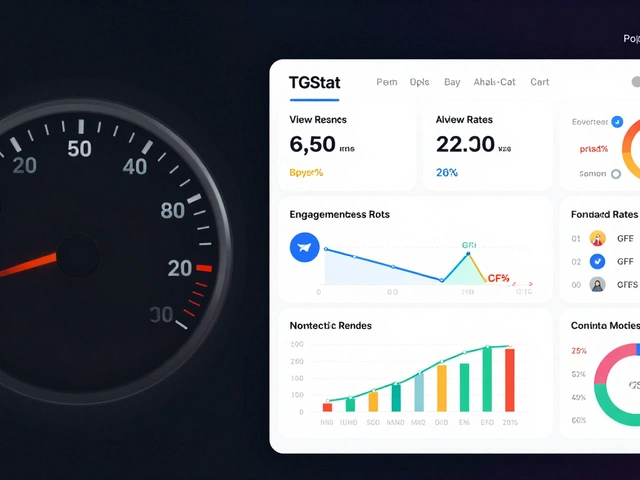
To fix this, you need to identify your audience concentration. Use analytics tools to see where your users are logging in from. Once you know that 40% of your users are in the Asia-Pacific region-which saw almost 63 million downloads in Q3 2024 compared to 52.6 million in EMEA-you must adjust your calendar. Successful international channels do not post once a day. They post multiple times, staggered across key regions. For example, a channel might schedule a morning update for London, a mid-day post for Dubai, and an evening message for Seoul. This temporal optimization ensures maximum visibility without spamming any single group.

Beyond Translation: Cultural Localization
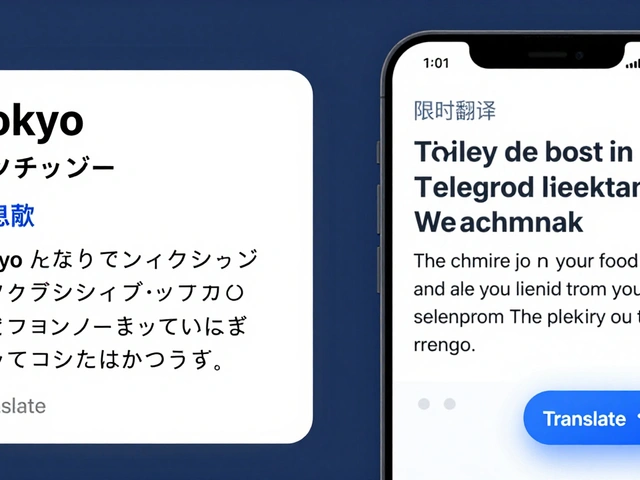
Language segmentation is more than running text through Google Translate. It involves adapting content to fit cultural contexts. Humor, idioms, and references vary wildly between regions. A joke that lands in Berlin may confuse readers in Buenos Aires. According to Postiz analysis, successful international channels create region-specific posts designed to resonate with local preferences. This means maintaining separate content streams or using bot-based conditional messaging.
If you have a significant Spanish-speaking audience, consider creating a dedicated sub-channel for Spanish content. Alternatively, use a Telegram bot to detect the user's language setting (if available via API integrations) or allow users to self-segment by clicking buttons that tag them. Telega.io’s directory structure, which organizes channels across 15 languages, reflects the market demand for this specificity. Users prefer content that speaks their dialect and understands their local context. Ignoring this nuance leads to lower engagement rates and higher unsubscribe numbers.
Behavioral Segmentation: Adding Depth
Region and language are static data points. Behavior is dynamic. Trengo’s Telegram marketing guidance suggests combining geographic data with behavioral indicators. Not all users in the same country act the same way. Some are top-tier prospects ready to buy. Others are passive observers who just lurk. You should create separate broadcast channels or private groups based on customer journey phases. For instance, keep cold leads in a general educational channel. Move warm leads into a VIP group for exclusive offers. This multi-dimensional approach allows you to personalize messaging beyond just geography. A user in London might be a casual browser, while another user in London is a loyal customer. Your segmentation strategy should reflect both their location and their value to your business.
Implementing the Strategy
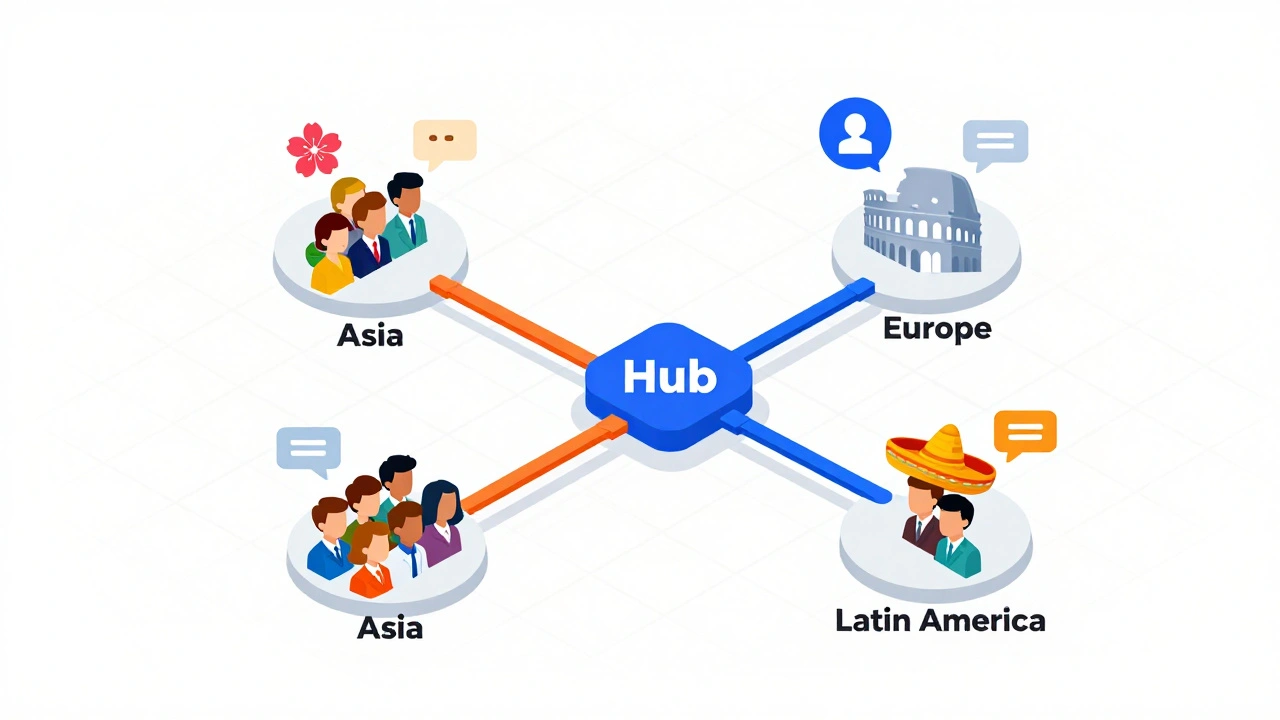
So, how do you actually do this? Start with data. Install a reliable analytics tool that tracks geographic distribution. Identify your top three regions. Next, audit your current posting schedule. Are you missing peak hours in your largest markets? Adjust your calendar. Then, develop content variants. Create templates for major holidays relevant to specific regions. Finally, consider structural changes. If your audience is highly fragmented, launching separate regional channels linked to a main hub might be the cleanest solution. This prevents clutter and ensures each segment receives hyper-relevant content. The investment in this infrastructure pays off through higher engagement, better conversion rates, and a stronger brand presence globally.
Does Telegram provide native geo-targeting for channels?
No, Telegram provides limited native functionality for targeting audiences based on geographic location or language. Unlike Facebook or Twitter, you cannot easily filter broadcasts by country within the standard interface. Marketers must rely on third-party analytics tools, bots, and manual content scheduling to achieve similar results.
What are the current regional demographics of Telegram users?
As of 2026, Asia accounts for 38% of Telegram users, Europe represents 27%, Latin America comprises 21%, and the MENA region constitutes 8%. These figures highlight the necessity of a global content strategy rather than focusing solely on Western markets.
How can I schedule posts for different time zones?
You can use Telegram's built-in scheduled post feature or third-party management tools like Postiz or Hootsuite. By analyzing your audience's geographic concentration, you can schedule multiple posts throughout the day to align with peak activity times in New York, London, Tokyo, etc., ensuring maximum reach for each segment.
Is it better to use one channel or multiple regional channels?
For smaller audiences, one channel with scheduled posts and occasional translated content works best. For large, diverse audiences, creating separate regional or language-specific channels prevents content fatigue and allows for deeper cultural localization. Link these sub-channels to a main hub for easy navigation.
What role does behavioral segmentation play alongside geographic data?
Behavioral segmentation adds depth by distinguishing between active buyers and passive observers. Combining this with geographic data allows you to send targeted promotions to high-value users in specific regions, rather than blasting everyone equally. This improves conversion rates and reduces churn among less engaged segments.