You open Telegram to check the latest headlines from a trusted source. The name looks right. The logo is familiar. But you are not reading the official update-you are reading a carefully crafted lie designed to manipulate your opinion or steal your money. This is the reality of fake news brands and lookalike channels that mimic legitimate media outlets, government agencies, and public figures on messaging platforms. These clones are not just annoying spam; they are sophisticated tools used by propagandists, criminals, and state actors to spread disinformation at scale.
In 2024 and 2025, researchers uncovered massive networks of these imposters. Detector Media analyzed 271 pairs of Telegram channels, finding that many were nearly identical copies of official channels from countries like Ukraine, Georgia, and Armenia. Meanwhile, academic computer scientists at the University of Rome developed a machine learning model that detected fake channels with 85.49% accuracy by analyzing millions of messages. The threat is real, it is growing, and understanding how to spot these fakes is essential for digital safety.
The Anatomy of a Clone Channel
Fake channels do not usually try to reinvent the wheel. Instead, they exploit human psychology and platform limitations. They rely on subtle naming variations that deceive users during channel discovery. For example, a fake channel might use a special character, an extra space, or a slightly different spelling of a well-known brand name. To the casual observer scrolling through search results, the difference is invisible.
Detector Media’s analysis revealed specific patterns in how these clones operate. They found that channels sharing less than 10% similarity often had only one or two matching letters or emojis. However, the most dangerous fakes maintained a 30-50% similarity with original channels. This range is tricky because it allows the clone to look authentic enough to gain trust while remaining distinct enough to evade automated detection systems. These channels often include common words like 'news,' 'front,' or 'official' to boost their credibility score in string similarity algorithms.
The goal is simple: exploit the authority of the legitimate counterpart. By looking like a trusted source, these channels can promote propaganda, distribute false information, or conduct fraud operations without immediate suspicion. Users often assume that if a channel has a professional logo and a name that sounds familiar, it must be legitimate. That assumption is exactly what attackers count on.
The 90/10 Rule of Disinformation
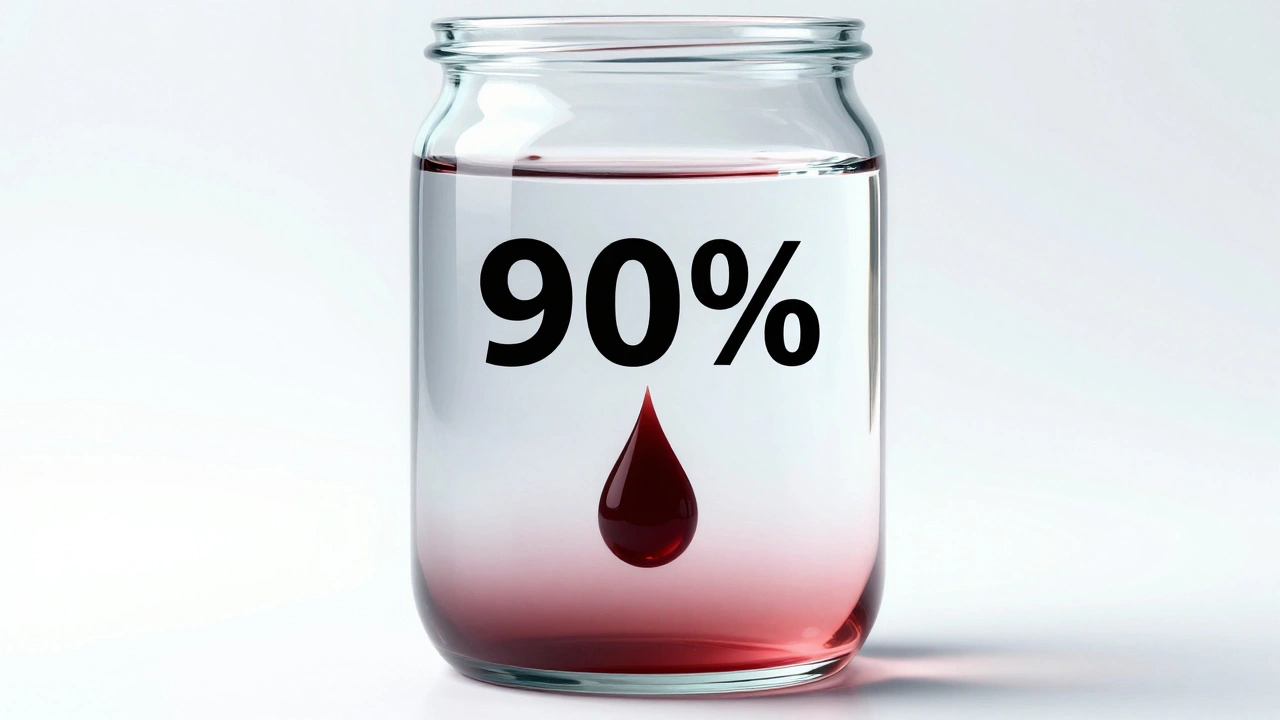
One of the most insidious tactics used by lookalike channels is the "90/10 rule." This strategy involves mixing 90% genuine, accurate information with 10% false or sponsored content. The Ukrainian fact-checking organization Nota Yenota documented this approach in 2025 when investigating a network of fake profiles impersonating major news outlets like Ukrinform and UNIAN.
Why does this work? Because humans build trust based on consistency. If a channel posts accurate weather updates, local event notices, and verified political statements for weeks, subscribers stop questioning its authenticity. When the channel finally drops a piece of propaganda or a fraudulent advertisement, the subscriber is more likely to accept it as true because the source has already established a track record of reliability. Nota Yenota warned that these anonymous operators frequently post advertisements without 'sponsored' labels, creating uncertainty about whether users are consuming real news or commissioned propaganda.
This tactic makes traditional fact-checking difficult. You cannot simply dismiss a channel as fake because it posted one incorrect headline. Instead, you have to monitor its behavior over time, which requires effort most users are unwilling to expend. The result is a steady erosion of trust in digital media, where even legitimate sources face skepticism because their clones have poisoned the well.
Targeting Politics and Conflict Zones
Not all fake channels are created equal. Research shows that political figures and news organizations are the primary targets. In the dataset analyzed by the University of Rome, political figures represented the majority of fake channel content. Other high-value targets included celebrities, cryptocurrency services, and established companies.
The Security Service of Ukraine (SBU) published a comprehensive list of identified Russian propaganda Telegram channels in 2024-2025. Names like 'Legitmnyy' (Легитимный), 'Rezident' (Резидент), and 'Sheptun' (Шептун) were flagged for spreading systematic misinformation about the Ukraine-Russia conflict. These are not random trolls; they are part of coordinated state-level disinformation operations. Similarly, the organization Hope not Hate documented 23 fake Telegram channels coordinating to spread messages attributed to Sabmyk, suggesting a larger network of approximately 100 channels operating in concert.
These networks often target small towns and regional centers. Nota Yenota found fake channels targeting places like Novolynsk, Kovel, and Irpin. By focusing on smaller communities, propagandists can dominate the local information landscape without facing immediate scrutiny from major international media watchdogs. The anonymity of Telegram amplifies this effect, allowing operators to remain hidden behind pseudonyms while influencing public opinion in sensitive regions.
Manual Detection: What to Look For
While technology helps, you still need to know how to spot a fake channel yourself. Here are the key markers that indicate a channel may be a clone:
- Channel Creation Date: Check when the channel was started. A channel claiming to be an official government body or a long-established news outlet should not have been created last month. Newly created channels with high claims of authority warrant extreme skepticism.
- Subscriber Count vs. Engagement: Look at the ratio of subscribers to comments and reactions. Legitimate news channels usually have active communities. Fake channels often have artificially low engagement despite claiming large audiences, or they disable comments entirely to prevent scrutiny.
- Administrator Transparency: Verified channels typically display clear organizational information. If the admin profile is blank, uses a generic avatar, or links to suspicious external sites, proceed with caution.
- Content Quality and Citations: Does the channel link to original sources? Fake channels often repost content without attribution or cite non-existent articles. If you click a link and it leads to a broken page or a unrelated site, that is a red flag.
- Posting Patterns: Automated reposting from multiple sources without editorial curation suggests a clone operation. Real news organizations have editors who curate content. Bots just dump everything they find into a feed.
A critical rule of thumb: never search for a channel by name alone. Search functionality cannot distinguish between legitimate channels and near-identical clones. Instead, access official Telegram channels through verified links provided on the organization's official website or social media profiles.

Platform Features and Limitations
Telegram has introduced features to help users navigate this minefield, but they are not foolproof. The platform offers a 'Similar Channels' feature that displays a list of public channels related to your interests based on subscriber base similarities. While helpful for discovery, this feature can inadvertently suggest fake channels alongside legitimate ones, especially if the fake channel has managed to attract a significant audience.
Official channels can receive verified checkmarks, which serve as a strong signal of authenticity. However, currently, only a small percentage of official channels display this status. Many legitimate local news outlets, community groups, and smaller government agencies do not have verification badges. This creates a gap where users might distrust unverified legitimate channels while trusting verified-looking fakes that use similar visual cues.
Telegram also allows administrators to report impersonation and request removal of clone channels. The platform analyzes whether channels fundamentally violate community guidelines by directly impersonating verified entities. However, response times and enforcement effectiveness vary significantly across global regions. In some cases, takedowns happen quickly; in others, fake channels operate for months before being removed, causing substantial damage in the meantime.
| Feature | Legitimate Channel | Lookalike/Fake Channel |
|---|---|---|
| Verification Status | Often verified (blue check) | Rarely verified; may use fake badges |
| Creation Date | Aligns with brand history | Recently created despite old branding |
| Content Mix | Curated, edited, cited | Reposted, uncited, 90/10 truth mix |
| Admin Identity | Transparent, linked to org | Anonymous, generic avatars |
| Engagement | Active comments, real interactions | Low engagement, disabled comments |
The Role of AI and Future Trends
As fake channels become more sophisticated, so do the tools used to detect them. Academic research continues to improve machine learning models for identifying subtle variations in operating patterns, posting schedules, and content reposting behaviors. The University of Rome’s model achieved 85.49% accuracy, but researchers aim to push this higher by analyzing deeper semantic connections between text and metadata.
International coordination is also accelerating. National security agencies, platform operators, and fact-checking organizations are sharing databases of identified fake channels and their operators. The European Union Digital Services Act introduces regulatory frameworks requiring platform accountability for fake channel removal, affecting Telegram’s operational policies across EU jurisdictions as of 2025. This legal pressure forces platforms to invest more heavily in detection infrastructure.
However, this is an ongoing arms race. As detection systems improve, propagandists develop new methods to evade them. They use more subtle naming variations, employ human moderators to make bots look more natural, and coordinate cross-promotion networks to amplify reach. The future of fake news recognition will depend on continuous technological advancement combined with user education initiatives from organizations like Nota Yenota and Detector Media.
How can I verify if a Telegram channel is official?
The safest way to verify a Telegram channel is to find the official link on the organization's verified website or social media profiles. Look for a blue verification checkmark next to the channel name, though note that not all legitimate channels have this. Check the channel creation date, administrator transparency, and whether content cites original sources. Avoid searching by name alone, as clones often use nearly identical names.
What is the 90/10 rule in fake news channels?
The 90/10 rule is a disinformation tactic where a fake channel posts 90% accurate, genuine information mixed with 10% false or sponsored content. This builds trust with subscribers over time, making them more likely to believe the false information when it appears. It exploits human tendency to trust sources that consistently provide accurate data.
Why are political figures and news outlets targeted by fake channels?
Political figures and news outlets are high-value targets because they influence public opinion and policy. Propagandists and state actors use fake channels to spread misinformation, manipulate narratives during conflicts, and undermine trust in democratic institutions. Research shows these sectors represent the majority of fake channel content due to their impact on societal stability.
Can Telegram automatically remove fake channels?
Telegram has mechanisms to report and remove impersonation, but enforcement is inconsistent. The platform relies partly on user reports and automated detection systems. While verified entities can request takedowns, response times vary globally. Regulatory pressures like the EU Digital Services Act are pushing for faster removal, but complete automation remains challenging due to the subtle nature of many clones.
What role does AI play in detecting fake Telegram channels?
AI and machine learning models analyze message patterns, subscriber growth, and content similarity to identify fake channels. Researchers at the University of Rome developed a model achieving 85.49% accuracy by examining millions of messages. AI helps detect subtle anomalies like automated reposting and unusual posting schedules that human reviewers might miss, though it is part of an ongoing arms race with increasingly sophisticated fakers.