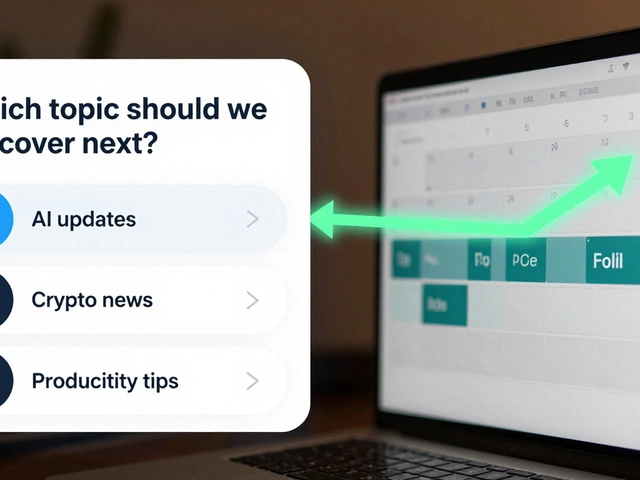
Most people treat Telegram is a cloud-based instant messaging service that allows users to broadcast messages to large audiences via channels as a fast-track to the truth. But in a world of instant forwards, a single sensational headline can travel to thousands of people before a fact-checker even wakes up. If you run a news channel, you aren't just a curator of information; you're a gatekeeper. The real danger isn't just a fake story slipping through-it's a subscriber base that has lost the ability to question what they read.
Teaching your audience to be skeptical isn't about telling them "don't trust this source." It's about giving them a toolkit to figure it out for themselves. When subscribers stop being passive consumers and start acting like active investigators, your channel becomes a hub of high-quality discourse rather than a megaphone for rumors. Here is how to build that culture of critical thinking within your community.
Quick Summary: Key Strategies for News Literacy
- Implement Lateral Reading: Teach users to leave the app to verify claims.
- Balance Trust and Skepticism: Promote a healthy distrust of rumors while reinforcing trust in professional journalism.
- Use Interactive Formatting: Leverage Telegram's polls and quizzes to gamify fact-checking.
- Focus on Bias Recognition: Help users identify partisan or corporate lenses in reporting.
- Encourage the "Pause": Promote the habit of reading full articles before hitting the forward button.
Moving Beyond the Headline
The biggest hurdle in Telegram is the "forwarding culture." Users often share content based on a juicy headline without ever clicking the link. To combat this, you need to socialize the concept of the "strategic pause." Encourage your subscribers to stop and think for ten seconds before they share a post. Ask them: Does this headline trigger an intense emotional reaction? Is it trying to make me angry or scared?
When you post a particularly volatile piece of news, add a small disclaimer or a prompt. Instead of just the link, ask, "Who benefits from this story being believed?" This simple shift moves the reader from an emotional state to an analytical one. By consistently highlighting the gap between a clickbait title and the actual facts, you train your audience to ignore the bait and seek the substance.
The Power of Lateral Reading
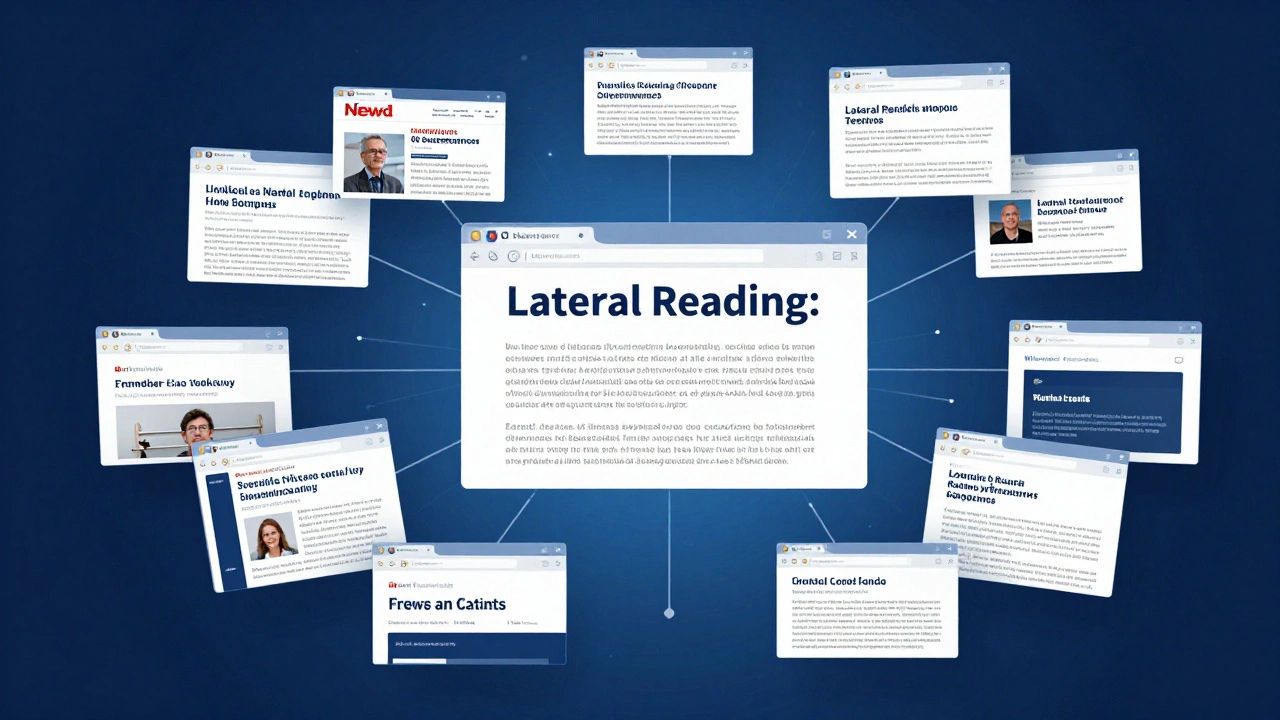
Many people think "reading carefully" is the key to spotting a lie. In reality, the most effective way to verify information is Lateral Reading, which is the act of opening multiple browser tabs to see what other credible sources say about a specific claim or source. If a story only exists on one obscure blog and isn't being reported by any reputable news agencies, it's a red flag.
You can teach this technique directly in your channel. When you share a complex story, provide a "Verification Path." This is a list of 2-3 other trusted outlets or primary documents where subscribers can cross-reference the facts. Show them how to search for the author's name or the organization's history. When users see you doing this, they start to mimic the behavior. They stop asking "Is this true?" and start asking "Who else is reporting this?"
Breaking Down Information Bias
Truth isn't always black and white; often, it's obscured by Bias, which is a prejudice in favor of or against one thing, person, or group compared with another, usually in a way considered to be unfair. Your subscribers need to understand that a source can be "accurate" but still "biased." For example, a corporate-funded news site might report true facts but omit the parts that make the company look bad.
| Bias Type | What it looks like | The 'Red Flag' |
|---|---|---|
| Partisan | Information framed to favor one political party. | Heavy use of loaded language (e.g., "devastating," "triumph"). |
| Corporate | Stories that protect a company's profit or image. | Omitting negative data about a product or CEO. |
| Demographic | News written from the perspective of one specific social group. | Assuming a specific cultural background for all readers. |
| Neutrality Bias | Giving equal weight to two sides even when one is factually wrong. | "Some say X, others say Y," despite X being a proven lie. |
To help your audience spot these, create a weekly "Bias Breakdown" post. Take a real news story and show how three different outlets covered it. Point out the specific words used to sway the reader. When people realize they are being manipulated, they become much more protective of their own perspective and more critical of the content they consume.
Designing Interactive Fact-Checking Habits
Dry lectures on Media Literacy (the ability to access, analyze, evaluate, and create media in a variety of forms) will be ignored. To make these lessons stick, you have to make them a part of the channel's identity. Use Telegram's native features to turn literacy into a game.
- The "Real or Fake" Poll: Post a shocking headline and use a poll to let subscribers guess if it's true or false. Once the poll ends, post the evidence and the "why" behind the answer.
- Sourcing Challenges: Post a claim and ask your subscribers to find a primary source for it. The first person to link a credible government or academic document gets a shout-out.
- The "Correction's Corner": Be transparent about your own mistakes. When you get something wrong, don't just edit the post. Post a new message explaining how the error happened and how you caught it. This demonstrates the "machinery of care" and teaches subscribers that professional journalism is about correction, not perfection.

Balancing Skepticism and Trust
There is a dangerous trend where "media literacy" is misinterpreted as "trust nothing." If you push your audience to be too skeptical, they might fall into a conspiracy hole where they believe the only truth is the one found in secret forums. The goal is a balanced approach: foster skepticism toward non-professional, anonymous sources, but promote trust in established, transparent journalism.
Explain the difference between a "blogger" and a "journalist." A journalist usually works under an editorial board, follows a code of ethics, and can be held legally accountable for libel. A blogger might just be sharing an opinion. When you share a story from a high-standard outlet, explain why it is credible. Mention their track record, their transparency about sources, and their willingness to issue corrections. This gives your subscribers a benchmark for what a "good" source actually looks like.
How do I start educating subscribers without sounding condescending?
The key is to frame it as a "shared journey." Instead of saying "You are being fooled," say "We are all targeted by algorithms and clickbait. Let's figure out how to beat them together." Use a collaborative tone and focus on the tools (like lateral reading) rather than the mistakes.
What is the most effective way to handle a viral fake story in my channel?
Don't just delete the post. Post a "Debunking Thread." Share the original fake post, clearly mark it as FALSE, and then provide a step-by-step guide on how you verified it was fake. This turns a mistake into a live teaching moment for every subscriber.
Can I automate some of these media literacy tips?
Yes, you can use a bot to trigger a "Fact-Check Checklist" whenever certain keywords (like "Breaking" or "Shocking") appear in your posts. A simple bot message reminding users to check the source before forwarding can significantly reduce the spread of misinformation.
How often should I post literacy content?
Consistency beats intensity. Rather than a one-week "literacy boot camp," integrate one small tip or one interactive poll every week. Repetition is how these habits move from conscious effort to second nature.
How do I handle subscribers who argue that credible sources are "mainstream media lies"?
Avoid direct arguments. Instead, encourage them to provide their own evidence using the same standards you use. Ask them to show the primary source or a corroborating report. When they realize that "alternative" sources often lack transparency and a correction process, they may naturally start valuing professional standards.
Next Steps for Channel Admins
Depending on your audience size and goals, your approach will differ. If you have a small, tight-knit community, start with a discussion thread about a recent news event and ask people to share where they got their info. If you have a massive broadcast channel, start with the "Real or Fake" polls to engage the masses first.
For those managing high-traffic channels, your first priority should be creating a pinned "Verification Guide." This is a short, permanent post that outlines your channel's standards for accuracy and gives subscribers a 3-step checklist for verifying any post they see. Once the foundation is set, move toward the more advanced lessons on bias and lateral reading. By investing in your subscribers' intelligence, you aren't just protecting your reputation-you're helping build a more informed public.