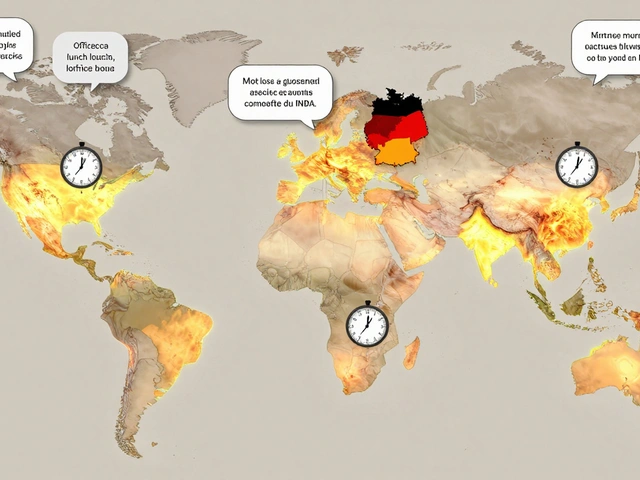
When you open Telegram for news, the language you see isn’t random. It’s shaped by where you live, what’s happening around you, and who controls the information flow. In Moscow, most news channels post in Russian. In New Delhi, you’ll see a mix of Hindi and English. In Kyiv, Ukrainian dominates-but you’ll also find Russian and English versions of the same story. Telegram isn’t just an app. It’s a global news network where language isn’t just a tool-it’s a survival mechanism.
Why Language Matters More Than You Think
Eighty-five percent of Telegram users follow at least one news channel. That’s not a small niche. That’s over 850 million people getting their daily updates through this platform. But here’s the catch: language determines who sees what, and who trusts it.
Take Russia. A 2023 study analyzing over 2.4 million Telegram messages found that 81.3% of news content was in Russian. Only 6% was in English. Ukrainian made up 5.3%. Why? Because Russian-speaking audiences in Russia, Belarus, and parts of Central Asia rely on Russian-language channels for real-time updates, especially during crises. The same study showed that 73.2% of articles from Russian news sites were mirrored on Telegram-but not always in the same language. Sometimes, the Telegram version was rewritten, translated, or even spun differently. That’s not just translation. That’s information adaptation.
In contrast, Western Europe sees a very different pattern. English dominates international news channels. A German user might follow a BBC Telegram channel in English, even if their app is set to German. Why? Because English is the default language for global news. It’s the bridge between regions. If a war breaks out in Ukraine, you’ll see the same headline in Russian, Ukrainian, English, and French-but the English version often appears first, and gets shared the most across borders.
Regional Breakdown: Where Each Language Rules
Telegram’s user base is split unevenly across continents. Asia leads with 38% of users, Europe at 27%, Latin America at 21%, and the Middle East and North Africa at 8%. But language preferences don’t follow geography-they follow culture, politics, and censorship.
- Russia and Eastern Europe: Russian is king. Over 80% of news content here is in Russian. Even in Ukraine, Russian-language Telegram channels still have massive followings, though Ukrainian content has surged since 2022. Some channels now post bilingual headlines to reach both audiences.
- India: India is Telegram’s largest single market, with over 20% of global users. But language here is a puzzle. Hindi, Tamil, Telugu, Bengali, and English all compete. Successful channels use bilingual posts-Hindi for local reach, English for wider sharing. One channel manager in Mumbai reported a 22% spike in engagement when switching from pure English to Hindi-English hybrid posts.
- Latin America: Spanish dominates, but Portuguese is strong in Brazil. Many news channels in Mexico and Colombia post exclusively in Spanish. But during major events-like protests in Chile or elections in Brazil-English translations appear to attract international attention.
- MENA Region: Arabic is the primary language, but English is used for international stories. In Iran, Farsi dominates, but English channels are critical for bypassing state censorship. RFE/RL, a U.S.-funded media group, operates 27 language channels on Telegram, including Persian, Pashto, and Russian, all targeting audiences where traditional media is blocked.
- North America and Western Europe: English is the default. But you’ll also find French, German, and Spanish channels catering to immigrant communities. A French-speaking channel in Montreal might have more subscribers than a national news outlet.
The Role of Censorship and Information Warfare
Telegram became a lifeline during the Russian invasion of Ukraine. In the first week, daily messages on news-related channels jumped from 6,500 to nearly 27,500. That surge didn’t come from random users. It came from journalists, activists, and ordinary citizens who couldn’t trust state media.
Channels like @gensham and @ura.news became key nodes in the information network. Researchers found that 28.2% of content on waronfakes.com-a site tracking misinformation-originated from Telegram. That’s not just sharing. That’s co-creation. News starts on Telegram, gets picked up by websites, and then loops back into Telegram in new forms.
This is why language matters. If you’re reporting from a war zone and your audience speaks Russian, you write in Russian. If you’re trying to reach Western governments, you add English. If you’re trying to reach Ukrainian diaspora, you switch to Ukrainian. One channel doesn’t need to be monolingual. In fact, the most effective ones aren’t.
How News Outfits Adapt
Organizations like RFE/RL don’t just post in multiple languages-they build entire teams for it. One team writes in Persian. Another in Russian. A third translates and adapts cultural references. A post about sanctions might mention U.S. banks in English, but reference local banks in Farsi. It’s not copy-paste. It’s cultural re-engineering.
Channel managers who ignore this risk losing trust. A post in English about a local holiday in Indonesia might get 500 views. The same post in Bahasa Indonesia? 5,000. One manager in Jakarta told Reddit users they saw a 40% increase in shares after switching to local language-only posts.
Telegram’s built-in analytics let admins see the interface language of their followers. But here’s the trap: someone in Brazil might have their app set to English because they’re bilingual. That doesn’t mean they prefer English content. The data is noisy. The smartest managers don’t rely on stats alone. They test. They ask. They watch engagement patterns over weeks.
The Rise of Hybrid Content
The future isn’t pure language. It’s hybrid. In India, the most successful news channels use a pattern: headline in Hindi, summary in English. In Nigeria, it’s Pidgin English mixed with formal English. In Ukraine, it’s Ukrainian with Russian translations in the comments.
Telegram’s January 2025 update added better automatic translation. But it’s still imperfect. It doesn’t catch slang. It doesn’t know cultural context. A phrase like “it’s raining cats and dogs” in English might translate literally into Arabic as “cats and dogs are falling from the sky.” That’s not helpful. Human translators still win.
Channels that succeed now are the ones that treat language like a living thing. They don’t just translate. They adapt tone, references, humor, and urgency to match local expectations. A post about inflation in Argentina needs to mention pesos and local food prices. A post about the same topic in Poland needs zloty and milk prices. The core message stays the same. The framing doesn’t.
Who’s Driving the Trend?
It’s not just journalists. IT professionals make up 20.6% of Telegram users. They’re the ones building bots, managing channels, and coding translation tools. Marketing and PR experts (11.9%) are the ones testing headlines, analyzing engagement, and optimizing posting times. Media professionals (5%) are the ones writing the content. But none of them work alone.
The real power comes from the audience. A 25-year-old in Minsk who shares a Russian-language post about military movements isn’t just consuming news. They’re becoming a node in the network. Their comment, their reshare, their translation-those are what keep information alive.
What’s Next?
By 2027, AI-powered real-time translation could become standard on Telegram. But that won’t erase language preferences. It might even strengthen them. Why? Because people don’t just want information. They want it in a voice that feels like home.
Russian won’t disappear from Eastern Europe. Hindi won’t fade in India. Arabic won’t lose ground in the MENA region. But the lines between languages will blur. More channels will use hybrid formats. More users will switch languages depending on the topic. And the most successful news channels? They’ll be the ones who treat language not as a barrier-but as a bridge.
Why does Telegram have so many different language news channels?
Telegram has no central control over content, so anyone can create a news channel. This lets local journalists, activists, and communities build channels in their own languages. In places with censorship-like Russia, Iran, or Myanmar-Telegram becomes a lifeline because it’s encrypted and decentralized. People use the language they trust, not the one governments force on them.
Do people in non-English countries prefer English news on Telegram?
Sometimes, but rarely as their main source. English is used for international news-like updates on global markets, U.S. politics, or major wars. But for local news-elections, protests, weather, school closures-people overwhelmingly prefer their native language. A study in Brazil showed that 87% of users followed local Portuguese channels, even if they understood English.
How do news organizations decide which languages to use?
They look at three things: where their audience lives, what language those audiences use daily, and what languages are blocked by local governments. For example, RFE/RL runs 27 channels because they target countries where media is censored. They don’t guess-they use data from user surveys, engagement metrics, and even social listening tools to find the right mix.
Can Telegram’s translation feature replace human translators?
Not yet. Telegram’s auto-translate works for simple sentences but fails with idioms, slang, or culturally specific references. A joke about a local politician won’t translate. A warning about a food shortage might become confusing. Human translators still win because they understand context, tone, and urgency-not just words.
Is English becoming the global news language on Telegram?
It’s the bridge, not the destination. English is the most common language for cross-border news-like updates on the war in Ukraine or AI breakthroughs. But for day-to-day local news, people stick to their native tongue. The most effective channels use English to reach global audiences, but lead with local languages to build trust.