When a false rumor spreads on Telegram, it doesn’t just disappear when you correct it. Unlike Twitter or Facebook, where edits or pinned replies can reach the same people who saw the mistake, Telegram’s design makes corrections nearly invisible. A wrong headline about a hostage’s death? A fake video of an explosion? Once it’s forwarded, modified, and reshared across dozens of channels, your correction lands in a sea of new posts - and most people never see it.
Why Telegram Makes Errors Hard to Fix
Telegram isn’t built for accountability. It’s built for speed. Channels can send messages to millions with zero moderation. There’s no edit button. No way to trace who shared what after it’s forwarded. And because messages aren’t ranked by engagement, corrections get buried under the next breaking update - even if they’re posted right after the error. Research from the Oxford Internet Institute in 2025 found that false information on Telegram spreads 35% faster in the first six hours than on any other major platform. By the time a channel admin realizes the mistake and writes a correction, the original message has already traveled through 4 to 5 layers of forwarding. And here’s the worst part: 40% of those forwards change the content. A photo of a building in Ukraine gets labeled as a strike in Gaza. A quote from a government official gets twisted into a call for violence. The original source? Gone. Add to that the fact that 950 million people use Telegram, and you’ve got a system where mistakes don’t just spread - they mutate.What Happens When a Channel Gets It Wrong
Take the case of Daniel Amram, a Telegram news admin in Israel. In December 2023, he posted a message claiming the deaths of Shiri Bibas and her two children, who had been kidnapped during the October 7 attacks. The post was based on unconfirmed reports. Within hours, it was shared across dozens of channels. Families saw it. Protesters cited it. Media outlets picked it up. Amram didn’t ignore it. He posted a correction the next day: “I have deleted the names upon the request of one of the families. Telegram is one thing, and the heartbreaking pain of the families is another. We’ll wait for the official announcement.” That’s rare. Most Telegram news channels don’t do this. A University of Hawaii study found that only 37.6% of channels that spread false information about Ivermectin during the pandemic ever issued a correction. And of those that did, only 18.4% of the original audience ever saw the fix. Why? Because Telegram doesn’t help. No algorithm pushes corrections. No notification goes out. No highlight box appears. You’re just posting into the void.How Professional Channels Handle Corrections (And Why It’s Not Enough)
Some Telegram news channels are run by former journalists, researchers, or media professionals. They know better. They follow ethics. They have correction policies. But even they struggle. One channel, run by a former Reuters reporter, uses a strict protocol: every correction starts with “CORRECTION:” in bold, includes the original post’s timestamp, and links to the original error. They pin the correction to the top of their channel description. They repost it every 12 hours for three days. Still, their corrections get 72% fewer likes and shares than the original mistake. Why? Because people don’t scroll back. They don’t check the channel bio. They don’t care about your policy - they saw the headline, reacted, and moved on. Professional channels also face a bigger problem: credibility. If you’re known for quick updates, people trust you - even when you’re wrong. And when you correct yourself, some followers assume you’re unreliable. So you hesitate. You delay. And the error spreads further.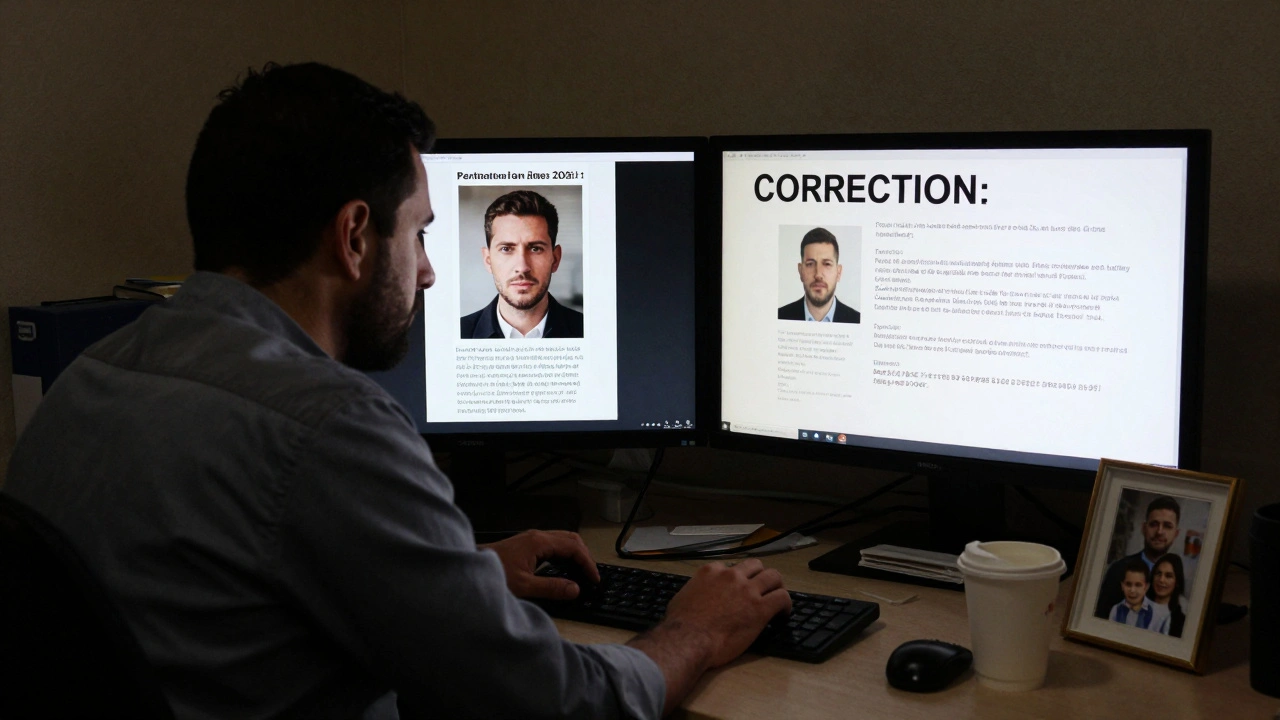
The Structural Problems No One Talks About
Telegram’s architecture is the real villain here. Three things make corrections useless:- No edit function - You can’t fix a message. You can only delete it - and even then, copies live on in other people’s chats.
- No traceable forwarding - On Twitter, you can see who retweeted what. On Telegram, you can’t. Forwarded messages lose their origin. You can’t track how far a lie traveled.
- No search by keyword - If you want to find every post about “Gaza bombing,” you can’t. You have to manually search through thousands of messages. That’s why researchers use snowball sampling - chasing links from one post to the next. It’s slow. It’s messy. It’s impossible for regular users.
What Works - Even Just a Little
Despite all this, some channels have found ways to make corrections matter. Here’s what actually helps:- Use “CORRECTION” in the title - Capitalized. Bold. Front and center. Don’t bury it.
- Pin it to the channel description - People check the bio. Make sure the correction is there.
- Link to the original error - Include the date and time of the mistake. Show you’re not hiding anything.
- Repost it every 12 hours for 3 days - Don’t assume one post is enough. People don’t check channels daily.
- Ask followers to reshare - “If you saw the earlier post, please share this correction.”
Why This Matters Beyond Telegram
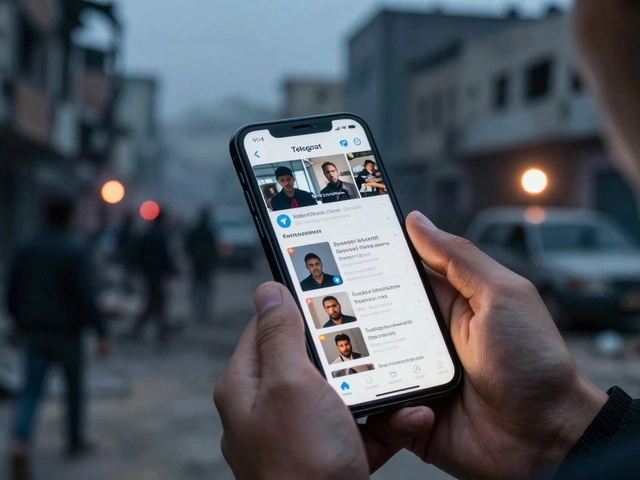
Telegram isn’t just a messaging app. It’s become a primary news source for millions - especially in conflict zones, authoritarian regimes, and communities that distrust traditional media. During the Israel-Hamas war, over 2.5 million Telegram news channels were active. The top 5% of them pushed 87% of the misinformation. That’s not just a platform problem. It’s a journalism problem. When anyone can be a publisher, and no one is held accountable, truth becomes a casualty. The Oxford study in 2025 warned: “Telegram’s design creates an ethical vacuum.” There’s no oversight. No training. No standards. Just speed. And yet, people trust these channels. They rely on them. When a false report says a school was bombed, and the correction never reaches the people who saw the lie - lives can be changed. Families are traumatized. Wars are fueled.
What Could Change - And What Won’t
Experts are pushing for solutions. The Oxford team suggested “verification badges” for channels that follow correction protocols. The University of Hawaii proposed building traceable message lineages - like a blockchain for news, where every forward keeps a record of its source. Telegram hasn’t acted. And they likely won’t. Their entire brand is built on privacy, anonymity, and decentralization. Adding correction tools would mean adding structure. And structure means control. And control goes against their core philosophy. So the burden stays with the admins. The journalists. The volunteers. The people who care enough to correct their mistakes - even when the system doesn’t help.What You Can Do Right Now
If you run a Telegram news channel:- Don’t post unconfirmed info. Wait 30 minutes. Check two sources. Even if it’s “breaking.”
- If you make a mistake, correct it - loudly, clearly, and repeatedly.
- Don’t delete the original post. Leave it. Add the correction below. Honesty builds trust.
- Encourage your followers to fact-check before sharing.
- Join Telegram journalism groups. Learn from others who’ve been there.
- Don’t share anything unless you can verify the source.
- Check the channel’s history. Has it corrected mistakes before?
- If you see a correction, share it. Don’t let lies live on because no one cared enough to fix them.
Final Thought: Speed Isn’t Journalism
Telegram rewards speed. But journalism rewards truth. And truth takes time. The most powerful thing you can do on Telegram isn’t to be first. It’s to be right. And when you’re wrong - to own it. Loudly. Clearly. Repeatedly. Because in a world where lies spread faster than truth, the only thing that can stop them is someone who cares enough to correct them - even when no one’s watching.Why can’t Telegram just add an edit button like Twitter?
Telegram’s design prioritizes privacy and decentralization over accountability. Adding an edit button would create a traceable record of changes, which conflicts with its goal of anonymous, unmoderated communication. The platform’s leadership has repeatedly stated they won’t implement features that compromise user anonymity or enable government-style content control, even if it means misinformation spreads more easily.
How often do Telegram news channels actually correct their mistakes?
Only about 37.6% of Telegram news channels that spread false information during major events like the pandemic ever issued a correction. Even then, those corrections reached only 18.4% of the original audience on average. Professional channels with journalism backgrounds correct mistakes 3.2 times more often than amateur ones - but even they struggle to get their corrections seen.
Do Telegram corrections ever reach the same people who saw the error?
Almost never. Unlike Twitter or Facebook, Telegram doesn’t have algorithms that surface corrections to users who saw the original post. Corrections are buried under new content. Forwarded messages lose their context. And since there’s no edit function, the original error stays live. Most users never see the fix unless they actively search for it - which almost no one does.
What’s the biggest challenge in tracking misinformation on Telegram?
The biggest challenge is that 40% of forwarded messages are altered - changing names, locations, or context - making it impossible to trace the original source. Plus, Telegram doesn’t allow keyword searches, so researchers have to manually follow chains of forwards, a process called snowball sampling. It’s slow, incomplete, and can’t scale to monitor millions of channels.
Are there any Telegram channels that handle corrections well?
Yes. A few professional channels, run by former journalists or researchers, use strict protocols: they label corrections with “CORRECTION:” in bold, pin them to the channel description, link to the original error with timestamps, and repost them every 12 hours for 3 days. These steps don’t fix Telegram’s flaws, but they give corrections a fighting chance to be seen.
Can users report false information on Telegram?
No. Telegram doesn’t have a reporting system for misinformation. Users can report channels for illegal content like child abuse or terrorism, but false news, doctored images, or misleading claims aren’t actionable. The platform leaves all moderation to channel admins - meaning if an admin doesn’t care about accuracy, the misinformation stays up indefinitely.
Why don’t Telegram news channels get paid to fact-check?
Most Telegram news channels don’t run ads or accept donations. Unlike Facebook or YouTube, Telegram doesn’t offer monetization tools for news outlets. Without financial incentives, there’s little reason to invest in fact-checking teams, editors, or correction protocols. Speed is the only currency - and accuracy is a luxury most can’t afford.
Will Telegram ever fix this problem?
Probably not in the near future. Telegram’s core philosophy is anti-moderation. Even after pressure from researchers and journalists, the platform has only introduced minor API limits to prevent scraping - not misinformation controls. Experts predict platform-level changes are unlikely before 2027, if ever. Until then, correction efforts will remain voluntary, inconsistent, and largely ineffective.