When disaster strikes, seconds matter. A landslide buries a village in Somalia. A bomb hits a hospital in Gaza. A blackout cuts off a city during a coup. In those moments, who do people trust for life-saving information? Not the nightly news. Not Facebook. Not even WhatsApp. It’s Telegram.
Telegram isn’t just another messaging app. It’s become the world’s most reliable tool for breaking news in crises. While other platforms slow down or filter content, Telegram delivers it instantly-no algorithms, no delays, no gatekeepers. And that’s why, in the middle of chaos, millions turn to it first.
How Telegram Moves Faster Than Any Other Platform
Think about how news usually spreads. You hear a rumor. You check Twitter. It takes minutes for the post to trend. Then, journalists verify it. Then, it gets pushed to your feed-maybe. Maybe not. Algorithms decide what you see based on likes, shares, and how long you stare at the screen. In a crisis, that lag can cost lives.
Telegram doesn’t work like that. It’s built for broadcast, not engagement. When a news channel posts an update, every single subscriber gets it the moment it’s sent. No ranking. No delay. No hiding behind a “trending” badge. It’s push technology, pure and simple.
During the 2024 Baardheere landslides in Somalia, local leaders used Telegram to send GPS coordinates of trapped families. Within minutes, rescue teams had the data. In normal conditions, coordinating that would’ve taken days-phone calls, radio static, broken networks. Telegram cut that to hours. Why? Because it doesn’t care if you react. It only cares if you’re subscribed.
Compare that to WhatsApp. It’s great for small groups-your family, your team, your neighborhood. But it caps groups at 1,024 people. Try broadcasting to 50,000? Impossible. Telegram? Channels can have unlimited subscribers. That’s not a feature. It’s a lifeline.
Reach That Doesn’t Fade When the Internet Falters
Speed is one thing. Reach is another. And Telegram wins both.
In Venezuela, during the 2026 political unrest, independent journalists posted video evidence of military crackdowns. Facebook deleted the clips. X (Twitter) buried them under trending memes. Telegram? Every video went straight to 1.2 million subscribers. No filtering. No shadow-banning. No “community guidelines” delay.
And it’s not just videos. Telegram lets you send files up to 2 GB. A 30-minute video of a bombed school? A PDF map of safe zones? A 500-page medical guide? All sent instantly. Other platforms compress, cut, or block large files. Telegram doesn’t care how big they are. It just delivers.
The UN’s Office for the Coordination of Humanitarian Affairs (OCHA) now runs over 120 official Telegram channels across Africa and the Middle East. They use it to send food distribution maps, water safety alerts, and psychosocial support numbers. Why? Because when cell towers are down and Wi-Fi is gone, Telegram still works on 2G. It’s lightweight. It’s efficient. And it’s everywhere.
Why Governments Are Blocking Telegram
If Telegram was just another app, governments wouldn’t care. But they do. And they’re scared.
In Russia, Telegram views jumped from 16 billion in 2021 to over 109 billion in 2023. That’s not growth. That’s a shift in how people get their news. Independent journalists, opposition groups, and citizen reporters used Telegram to bypass state-controlled TV and newspapers. For the first time, millions had access to unfiltered truth.
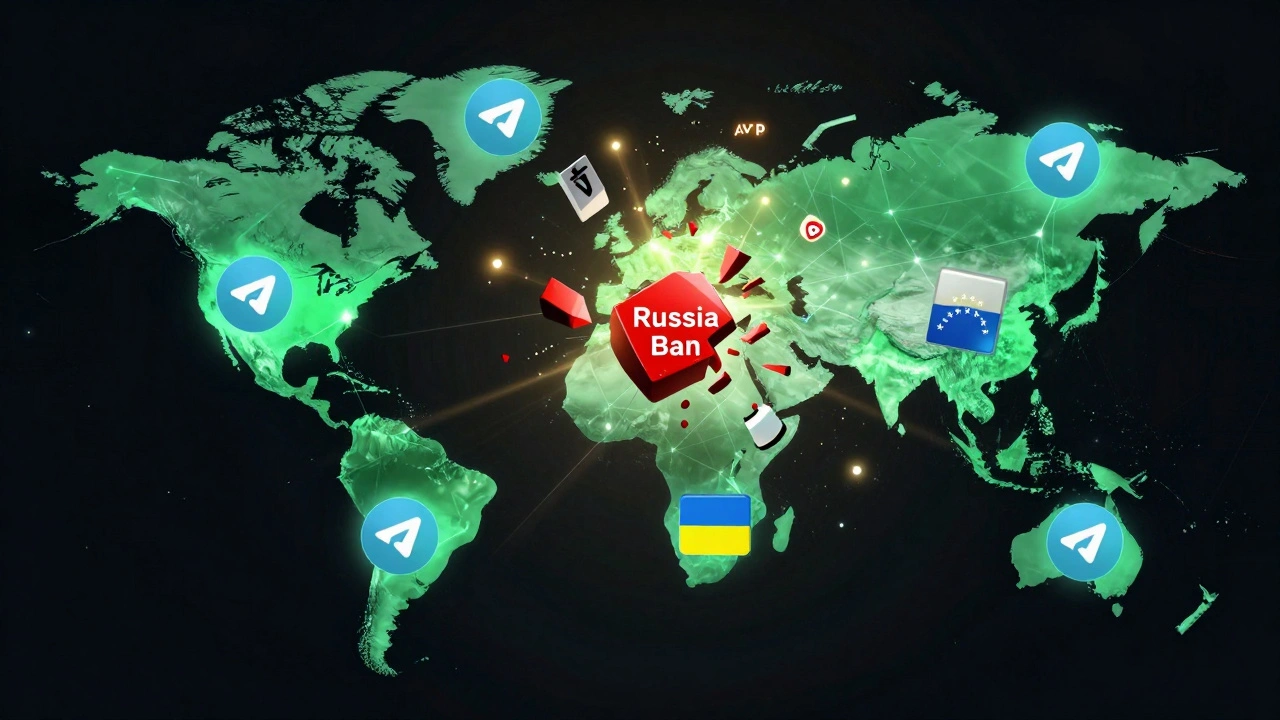
By March 2026, Russia blocked Telegram nationwide. Not just slowed it. Not just throttled it. Blocked. Entirely. The government didn’t ban protests. They banned the tool that made them visible.
And it’s not just Russia. In Iran, Myanmar, and Sudan, Telegram is the primary channel for protest updates, medical emergencies, and refugee coordination. Governments that control the press can’t control what’s happening on Telegram. So they try to cut it off.
But users don’t just give up. They use VPNs. They share links through SMS. They set up mirror channels. Telegram’s infrastructure is global, decentralized, and resilient. It’s not hosted in one country. It’s not controlled by one company. It’s built to survive.
The Dark Side: Speed Without Scrutiny
There’s a price for this kind of freedom.
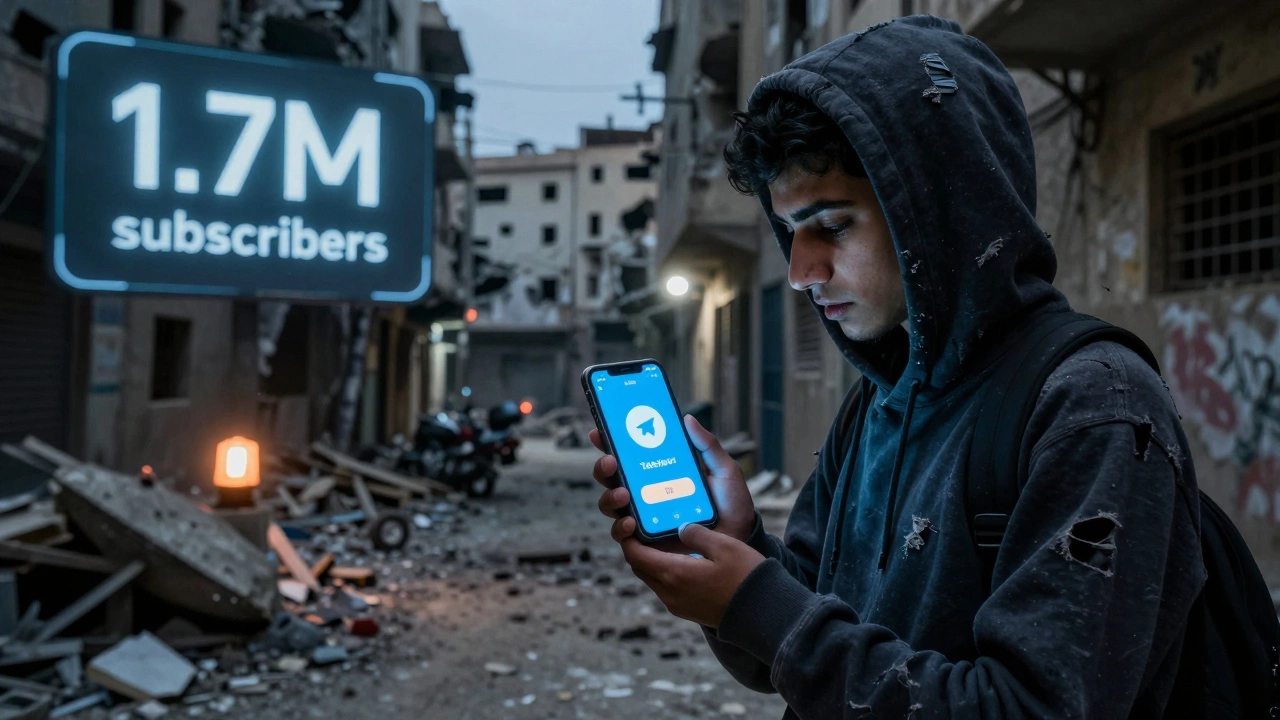
When news moves this fast, lies move just as quickly. During the 2023-2025 Israel-Hamas war, Telegram became a flood of unverified claims-fake videos, doctored photos, false casualty numbers. Some were meant to incite fear. Others were honest mistakes from overwhelmed locals.
Telegram doesn’t fact-check. It doesn’t remove posts unless they violate global laws (like child exploitation or terrorism). That means truth and misinformation ride the same wave. In crisis zones, that’s dangerous. A false alert about a bomb could cause a stampede. A fake map could send people into danger.
But here’s the catch: the alternative is worse. If you wait for Facebook to verify a report before sharing it, people die waiting. Telegram’s model isn’t perfect-but in emergencies, speed often saves more lives than accuracy ever could.
Some channels now partner with local fact-checkers. In Somalia, Telegram moderators work with journalists to flag high-risk posts. In Ukraine, volunteers tag unverified content with “Awaiting Confirmation.” It’s not perfect. But it’s a start.
Telegram vs the Rest: Why Other Platforms Fail in Crises
Let’s be clear: no other platform can match Telegram’s combo of speed + reach.
- WhatsApp: Limited to 1,024 per group. No public channels. No broadcasting. Useless for mass alerts.
- Facebook: Content gets buried unless it gets likes. During crises, algorithms ignore urgent posts. Emergency info often doesn’t reach the people who need it.
- X (Twitter): Still relies on trending and engagement. Sensitive posts get flagged, shadow-banned, or removed for “violating policies.”
- Signal: Secure? Yes. Public? No. It’s built for private chats, not mass communication.
Telegram is the only one that lets you send a message to a million people-and have every single one see it within seconds. No other app comes close.
What Happens When Telegram Gets Blocked?
Russia’s ban in March 2026 didn’t kill Telegram. It just made it harder to access. People switched to VPNs. They downloaded Telegram via APK files. They shared links through USB drives and offline messaging apps.
Meanwhile, Russia rolled out its own replacement: Max, a messaging app built by VK (Russia’s Facebook). It looks like Telegram. It has channels. It has bots. But here’s the difference: Max pushes state media content to the top. It recommends official news. It filters dissent.
That’s the real battle-not technology, but control. Telegram gives power to the people. Max gives power to the state.
So far, users are choosing Telegram. Even under pressure. Even at risk. Because when you’re in a crisis, you don’t want a polished, filtered, government-approved version of the truth. You want the raw, unfiltered, immediate truth-even if it’s messy.
The Future of Crisis Communication
Telegram’s role in emergencies isn’t going away. It’s growing. More NGOs are using it. More journalists rely on it. More civilians build their own channels to report what’s happening.
The next big disaster-whether it’s a war, an earthquake, or a pandemic-won’t be covered by CNN. It’ll be covered by a teacher in Kyiv, a farmer in Sudan, a nurse in Gaza, all using Telegram to send updates from the ground.
Platforms that try to control information will lose. Platforms that empower it will survive. Telegram isn’t perfect. But in a world where truth is under attack, it’s the fastest, widest, most resilient tool we have.