Brand Impersonation Detection on Telegram
When someone creates a brand impersonation, a fake Telegram channel or bot pretending to be a real company, organization, or public figure. Also known as cloned channels, it’s one of the fastest-growing threats on Telegram—especially for news, finance, and government accounts. These fakes look real: same logo, same username, same tone. But they steal data, spread scams, or push fake news. And because Telegram doesn’t verify most channels, anyone can copy a brand in minutes.
Brand impersonation isn’t just about fake logos. It’s about trust being weaponized. A fake @AppleSupport channel might ask for your password. A clone of @BBCNews might push panic during a crisis. Even verified users aren’t safe—scammers often target high-profile accounts to piggyback on their credibility. This is why Telegram verification, the official checkmark granted by Telegram to legitimate entities matters. But here’s the catch: only a tiny fraction of channels have it. Most users rely on gut feelings, which is exactly what scammers count on.
That’s where brand impersonation detection, the process of identifying and reporting fake accounts that mimic real brands becomes critical. It’s not just for companies. Journalists, community admins, and even regular users need to spot these fakes before they share them. Tools like Combot, a third-party analytics tool that tracks channel activity and subscriber growth patterns and TGStat, a platform that shows historical data on channel growth and engagement spikes help. If a channel suddenly gets 10,000 new subscribers overnight with no real content, it’s a red flag. If the bio says "official" but the username doesn’t match the real brand? That’s a fake.
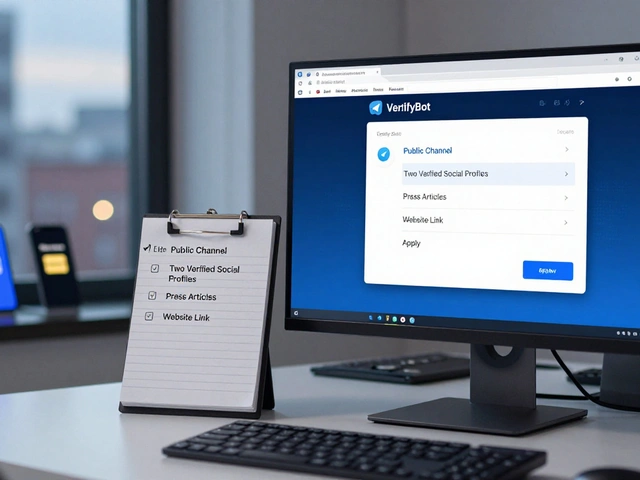
And it’s not just about tools. It’s about behavior. Real brands don’t DM you first. They don’t ask for your private info. They don’t change their username overnight. If a channel claiming to be a bank starts pushing crypto giveaways, walk away. Use the brand impersonation detection checklist: check the username, compare the bio to the real site, look for inconsistent posting patterns, and see if other users have reported it. Volunteer moderators in large news groups are already doing this daily—they’re the frontline defense.
Telegram’s 2025 governance changes made this harder. AI now scans messages, but it doesn’t catch fake channels unless they’re reported. That means you have to be the eyes and ears. Whether you run a news channel, manage a community, or just follow a few trusted sources, learning to spot impersonation isn’t optional—it’s survival. Below, you’ll find real guides from users who’ve faced this exact problem: how to verify sources, how to warn your audience, and how to use bots and tools to block fakes before they spread. No fluff. Just what works today.

- 30/Nov/2025
- by Greg Bush
-
 Telegram impersonation
news brand security
Telegram bot monitoring
brand impersonation detection
Telegram phishing
Telegram impersonation
news brand security
Telegram bot monitoring
brand impersonation detection
Telegram phishing
How to Monitor Impersonation Attempts of News Brands on Telegram
News brands are being impersonated on Telegram with alarming frequency. Learn how fake channels steal credentials, spread misinformation, and evade detection-and what you can do to stop them before it's too late.
ReadLatest Posts